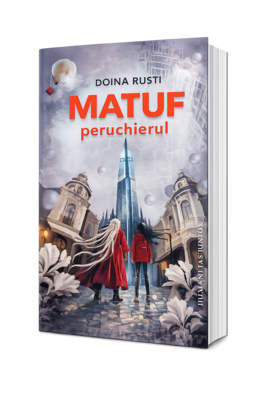
Doina Ruști’s novel Matuf, the Wigmaker is a YA thriller and speculative fantasy connecting Phanariot-era Bucharest with the post–artificial intelligence age. Everything begins and ends on Lipscani Street.
I wanted to write a novel for both young and older readers, a book that could be read at any age. In the end, that book became Matuf, the Wigmaker.
Doina Ruști
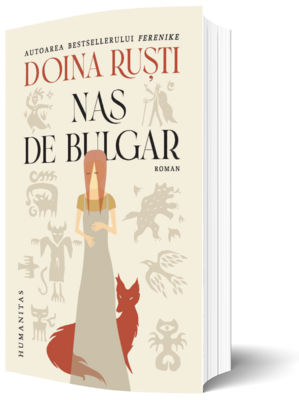
A confessional novel built around love, memory, and Balkan identity, Nas de bulgar continues the world of Ferenike, following the adolescence and youth of a protagonist shaped by passion, family mythologies, and an affective geography that connects the Danube Plain, Iași, and the Balkan world.
An enveloping, cinematic, and richly layered saga, populated by fantastical characters, untamed spirits such as the zuli.
Roxana Dumitrache
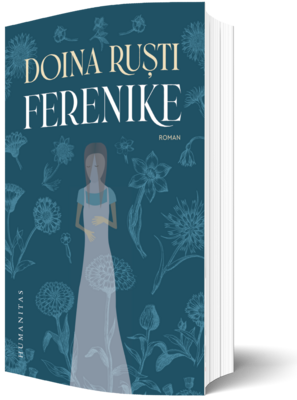
A confessional and autobiographical novel, Ferenike follows the memory of a childhood marked by history, political violence, censorship, family mythologies, and forms of feminine resistance. A fiction about a mythologized geography and a crime.
Reminded me of Yorgos Lanthimos’s film The Killing of a Sacred Deer.
Angelo Mitchievici
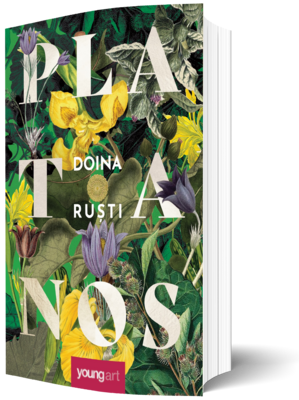
Platanos (YA) is a novel about friendship and the trauma caused by social inequality.
A novel for children of all ages, showing how the source of evil can arise from unrealistic hopes — when a utopian dream quickly turns into a grotesque nightmare.
Mihai Ene
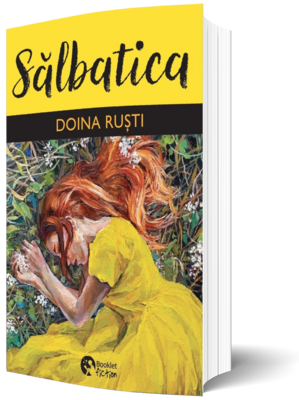
The Stalinist era, the Bărăgan Plain.Tavi (14 years old) encounters a strange being in the endless plains of the Bărăgan. Each of them has an incredible story, and the two stories meet in a symbolic realm — that of mathematics.
The Wild Girl is a YA historical novel set in 1953, during the Stalinist deportations to Romania’s Bărăgan Plain—an episode often referred to as the "Romanian Siberia."
Booklet
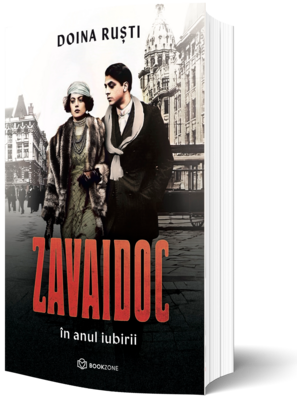
The novel recreates, in a rich and sensory literary form, the world of interwar Bucharest, shaped by music, love, fame, social unrest, and spectacular destinies. The figure of Zavaidoc becomes the center of a feverish age, in which song, passion, and the memory of the city come together in a story about love, survival, and the seduction of a vanished world.
Everything belongs to a world specific to Doina Ruști: a magical yet highly credible, and at the same time phantasmatic world.
Serenela Ghițeanu, Revista 22
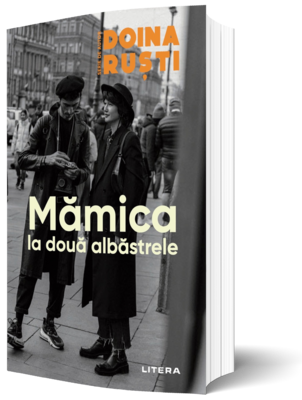
Adulterer, adopted children, mothers defects, hypocrisy of adoptions, love and despair, Bucharest today.
The novel is a gem in which the author slips into the skin of each character without ostentation, resulting in a refined psychological and contextual analysis.
Andreea Banciu
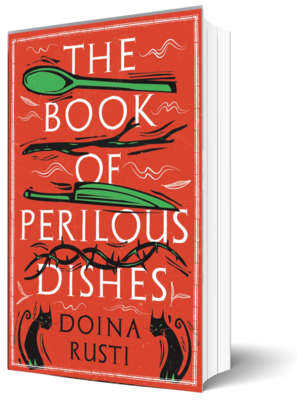
The novel builds a fabulous Phanariot Bucharest, dominated by a magical culinary manuscript, perilous recipes, love affairs, intrigues, and characters governed by tastes, scents, and obsessions. In English, the novel was published under the title The Book of Perilous Dishes.
The Book of Perilous Dishes — a stylistic jubilation, a vital literature, like Süskind’s Perfume up to a point and Vodolazkin’s Laurus from another point onward.
Dan C. Mihăilescu, video
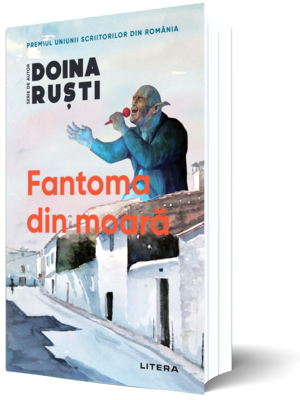
This page presents The Ghost in the Mill, the novel by Doina Ruști first published in 2008, awarded the Romanian Writers’ Union Prize for Prose, and translated into German. At the heart of collective metamorphosis, a young schoolteacher is raped, forced to undergo an abortion, and then arrested for having one. Her story gradually reveals the bleak and absurd essence of Romanian communism.
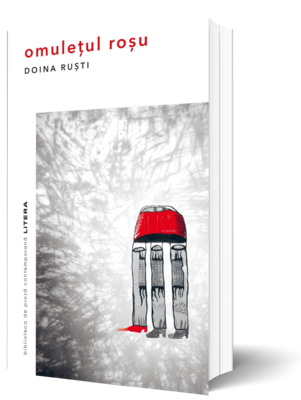
The Little Red Man is both a manifesto novel and an ars poetica, built around a new fragmentary epic composed of online conversations, summaries of events, confessions, disparate texts, and mechanisms of manipulation in the virtual world. And a love story .
The novel reads with great joy, with the mind ravaged by exclamations and a barely restrained laughter.
Alessandra Iadicicco
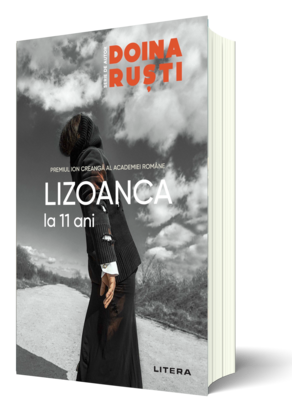
This page presents Lizoanca la 11 ani (Lizoanca at the Age of Eleven), the novel by Doina Ruști first published in 2009 and awarded the “Ion Creangă” Prize of the Romanian Academy. A small village, a child blamed by everyone, a true story.
Lizoanca is a groundbreaking book written in a style refined and nuanced.
Martina Freier
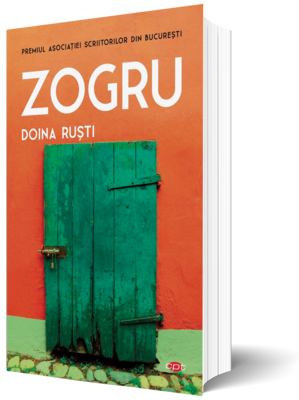
Zogru, the Romanian literary character by Doina Ruști - un unusual vampire, a Romanian Saint Germain
Hilarante por momentos, en otros trágica y feroz, a ratos fantástica y luminosa como una pintura de Chagall lo que prevalece en este maravilloso relato es la figura de la terribile soledad en que yace espíritu humano carente de amor.” (about the novel Zogru by Doina Ruști)
Pedro Gandolfo
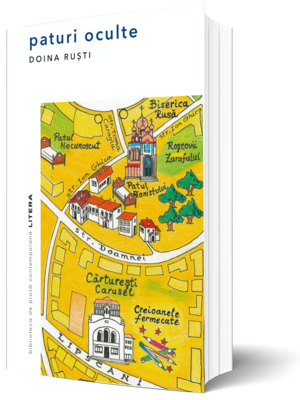
Flori, a literature student, discovers a bed in which she dreams of a grove of carob trees. When she wakes, her appearance has changed slightly. Together with her boyfriend, Lev, a bookseller, she begins to investigate the bed’s origins and learns from an old manuscript that an eighteenth-century bedmaker built twenty-eight beds from carob wood. Their investigation opens up a world of objects charged with memory, unstable identities, and mysterious connections between past and present.
Amazing is the fire of a row of stunts of pungent and fulminating expressions that the author devises to describe situations and moods of her protagonist.
La Stampa
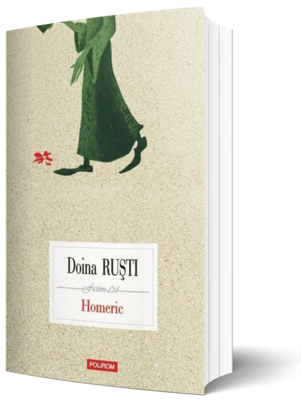
Bucharest, 1790 — an invented, intensely fabulatory time in which perfumes can kill, portraits painted on the wall of a butcher’s shop seem to breathe, cats inherit fortunes, and a Turk’s head stuck on a fence sets off investigations and collective hysteria.
A debauch of the fabulous, in a book of damned passions and deadly charms.
Paul Cernat
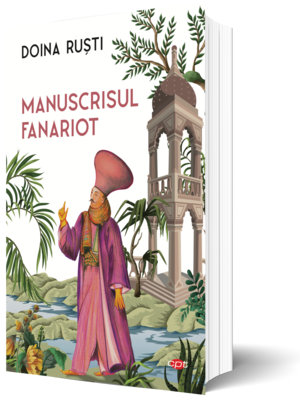
The novel is built around a contract for the sale of a human being, a manuscript that becomes a character and haunts the entire narrative, in a Phanariot Bucharest shaped by love, slavery, Wallachian boyars, and fatal passions.
The Phanariot Manuscript is a sumptuous book, endowed with contagious sensuality.
Eugen Negrici
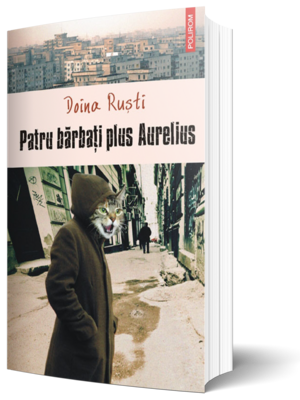
Urban adventure, love, crime, strange happenings, surrealism, satire.
Fast-paced, sinewy, with a thriller-like plot, countless surprises and out-of-the-ordinary events, the novel is a page-turner.
Luminița Corneanu
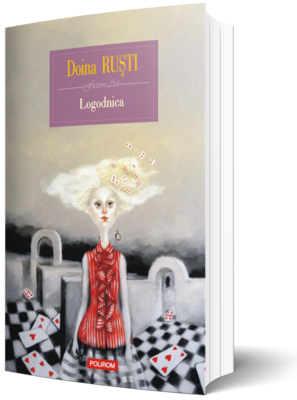
This page presents The Fiancée, the novel by Doina Ruști published in 2017. It includes the plot of the novel, excerpts from the book, editions, interviews, meetings with readers, including with the book’s character, and other events dedicated to the novel. The novel follows a love story told from two perspectives, hers and his, a parable of the cultural incongruities between Eastern and Western Europe. The page also includes the novel’s critical reception: excerpts from reviews, articles, and mentions of The Fiancée, together with references to their sources. Among those who have written about the novel are Mircea Pricăjan, Adi G. Secară, Ioana Cistelecan, Serenela Ghițeanu, and others.
Doina wrote an admirable novel, from two confessions, as different, so related. A parable about East and West, about the extremes of Europe.
Dan Burlac
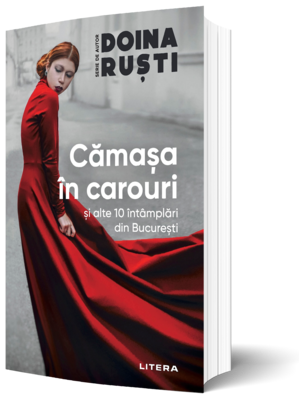
Time travel, life after death, love, contemporary miracles, urban adventures…
In fiction novels of today, Doina Rusti is unrivaled.
Emanuela Ilie
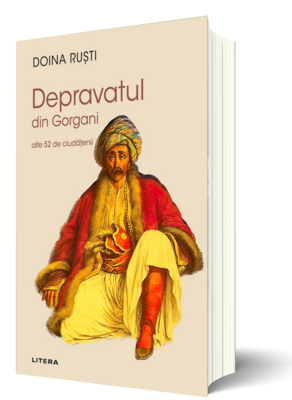
The Doina Ruști's stories tells us about impossible loves, based on documents and written with her well-known talent.
52 stories of depravity, related to private documents from the 18th century
Claudiu Turcitu
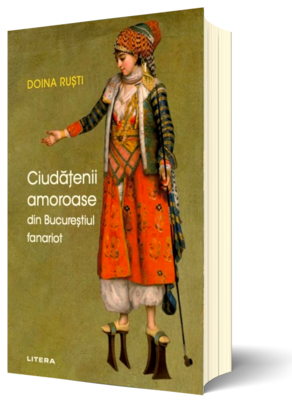
The Doina Ruști's stories tells us about impossible loves, based on documents and written with her well-known talent.
47 fanariote stories about loves and bizarre passions: true events, historical facts, a Romanian imaginary and an epic formula branded by Doina Ruști. Plus vintage illustrations.
Eugen Negrici


