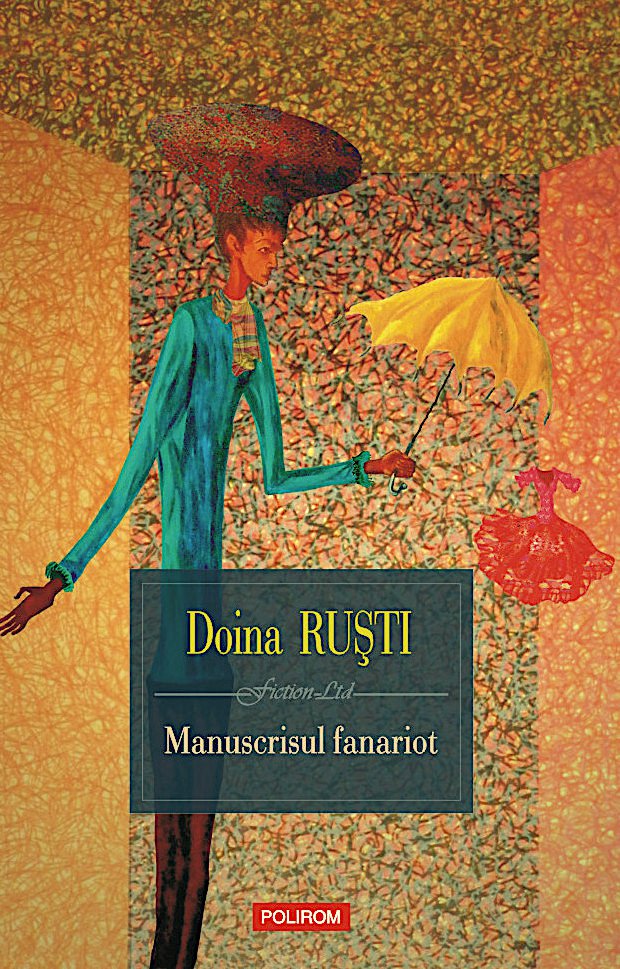
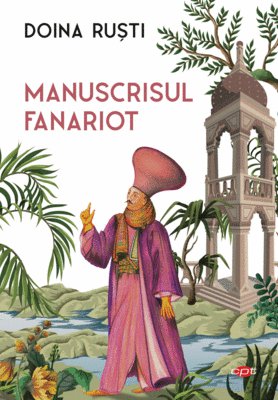
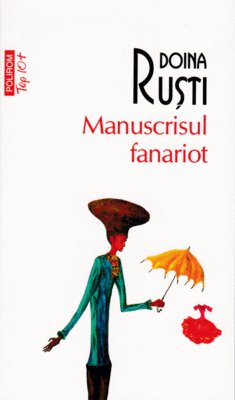
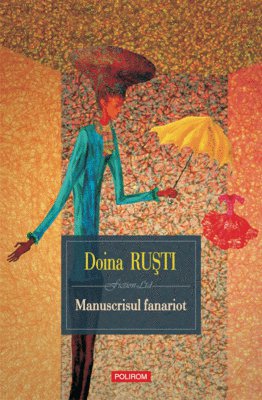
The Phanariot Manuscript is a sumptuous book, endowed with contagious sensuality.
Eugen Negrici
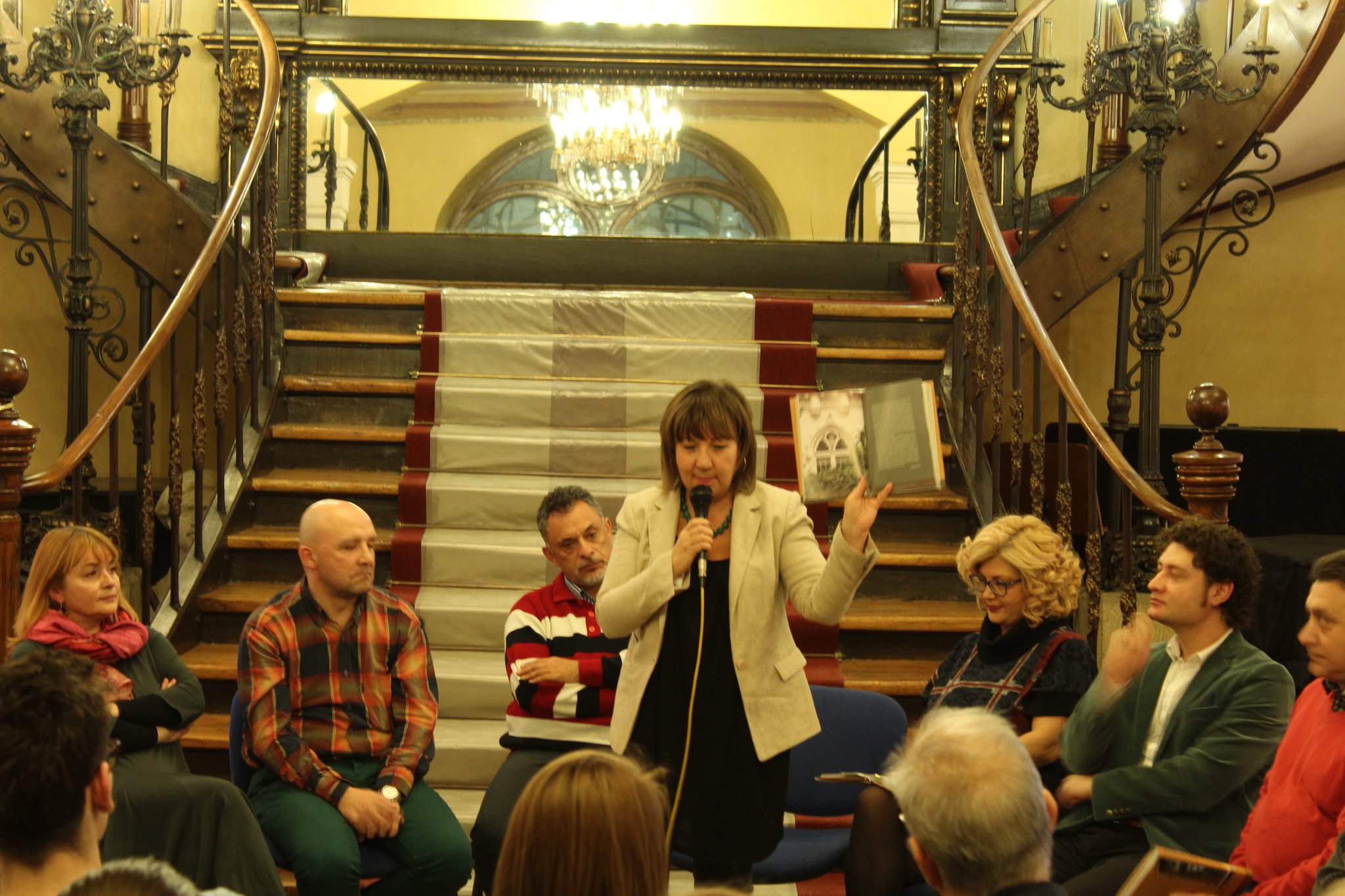
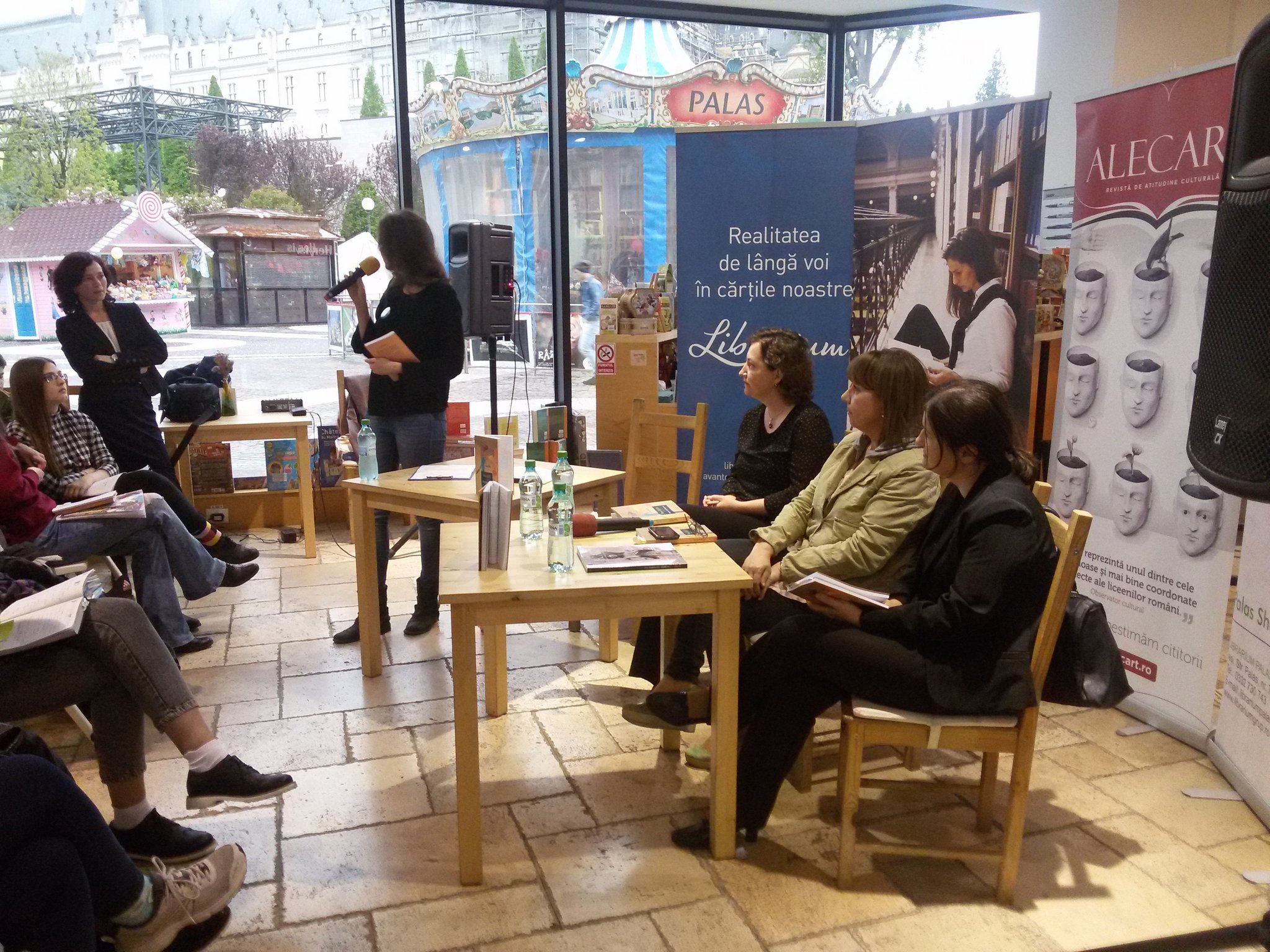
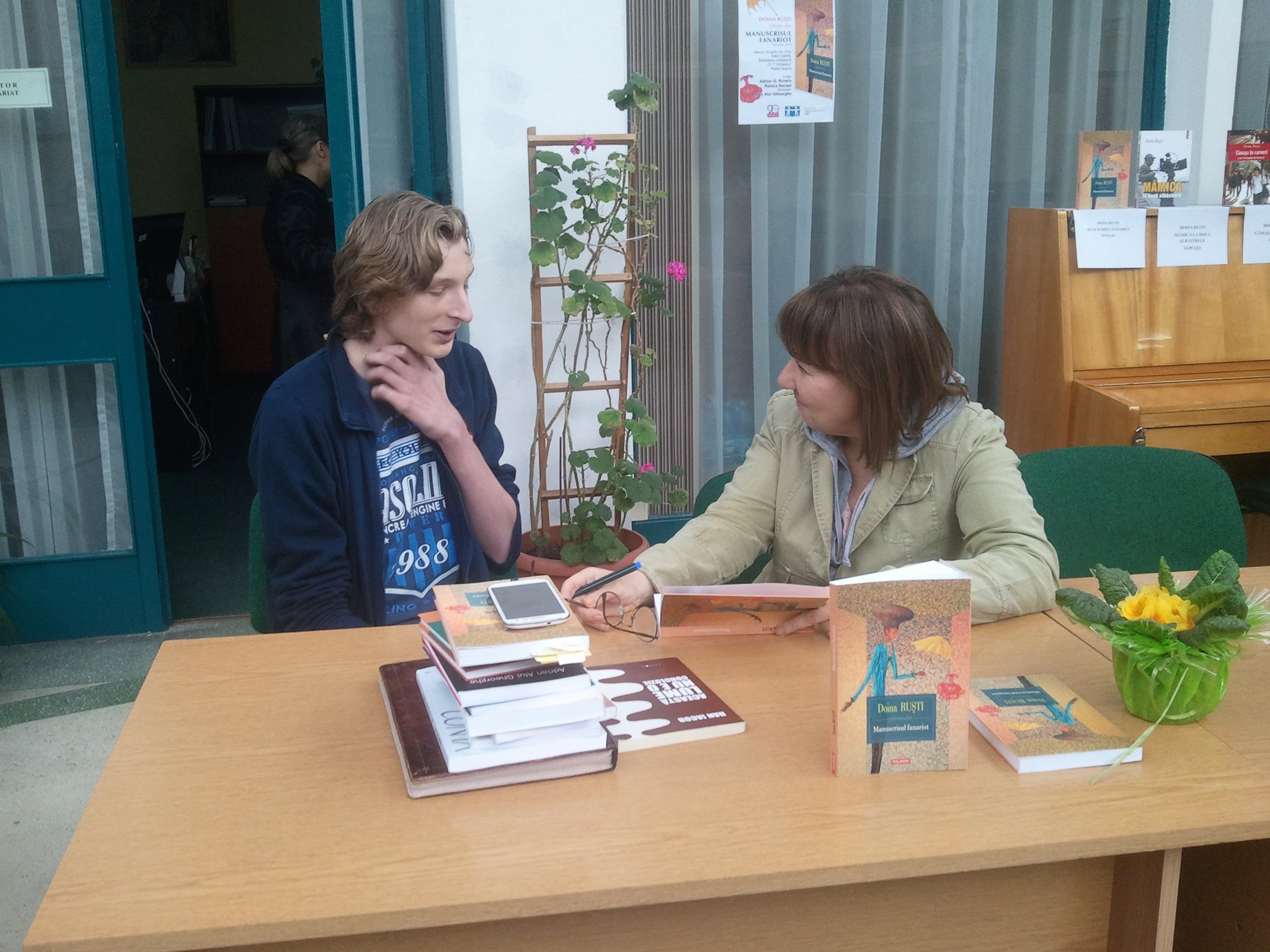
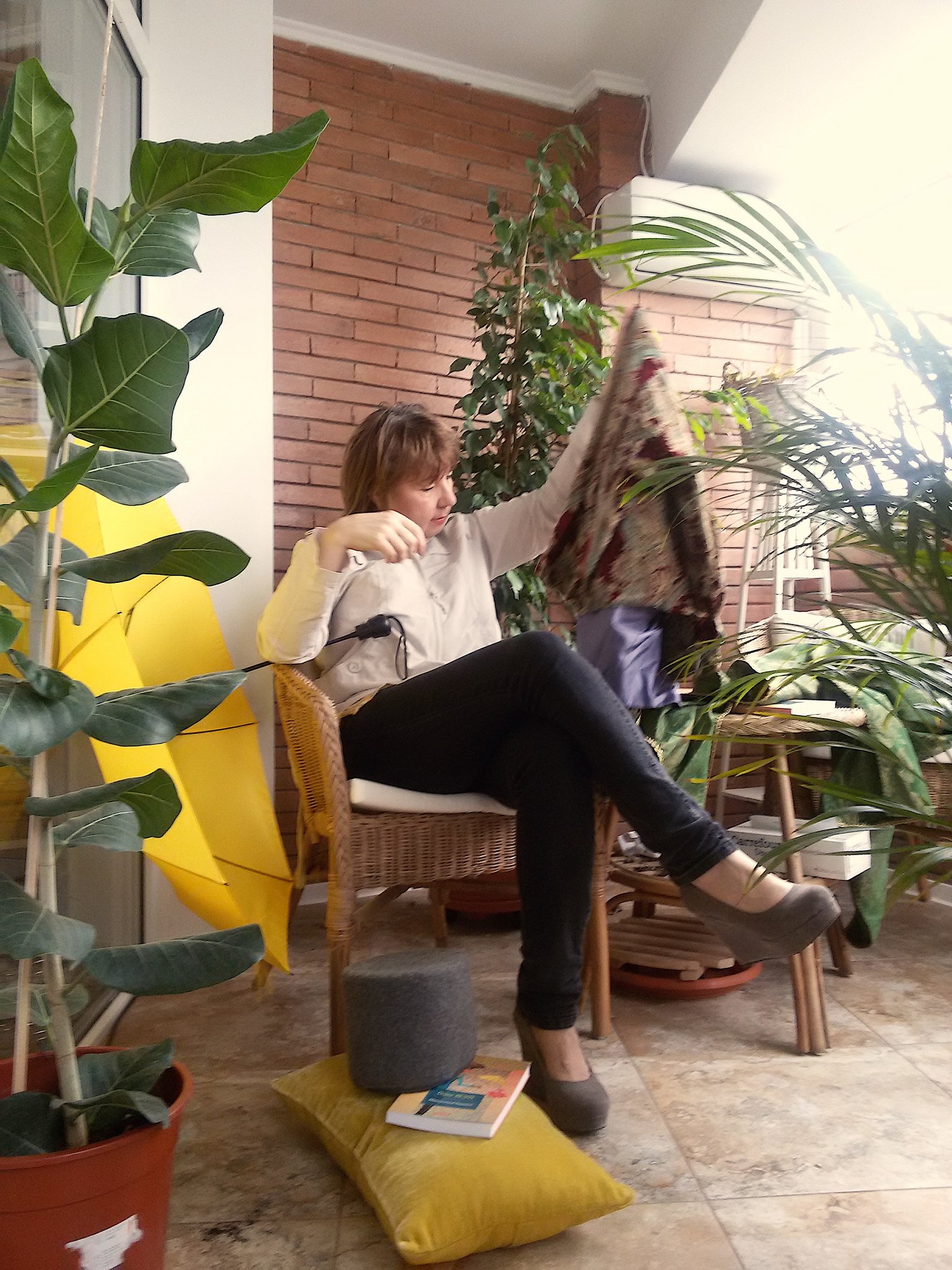
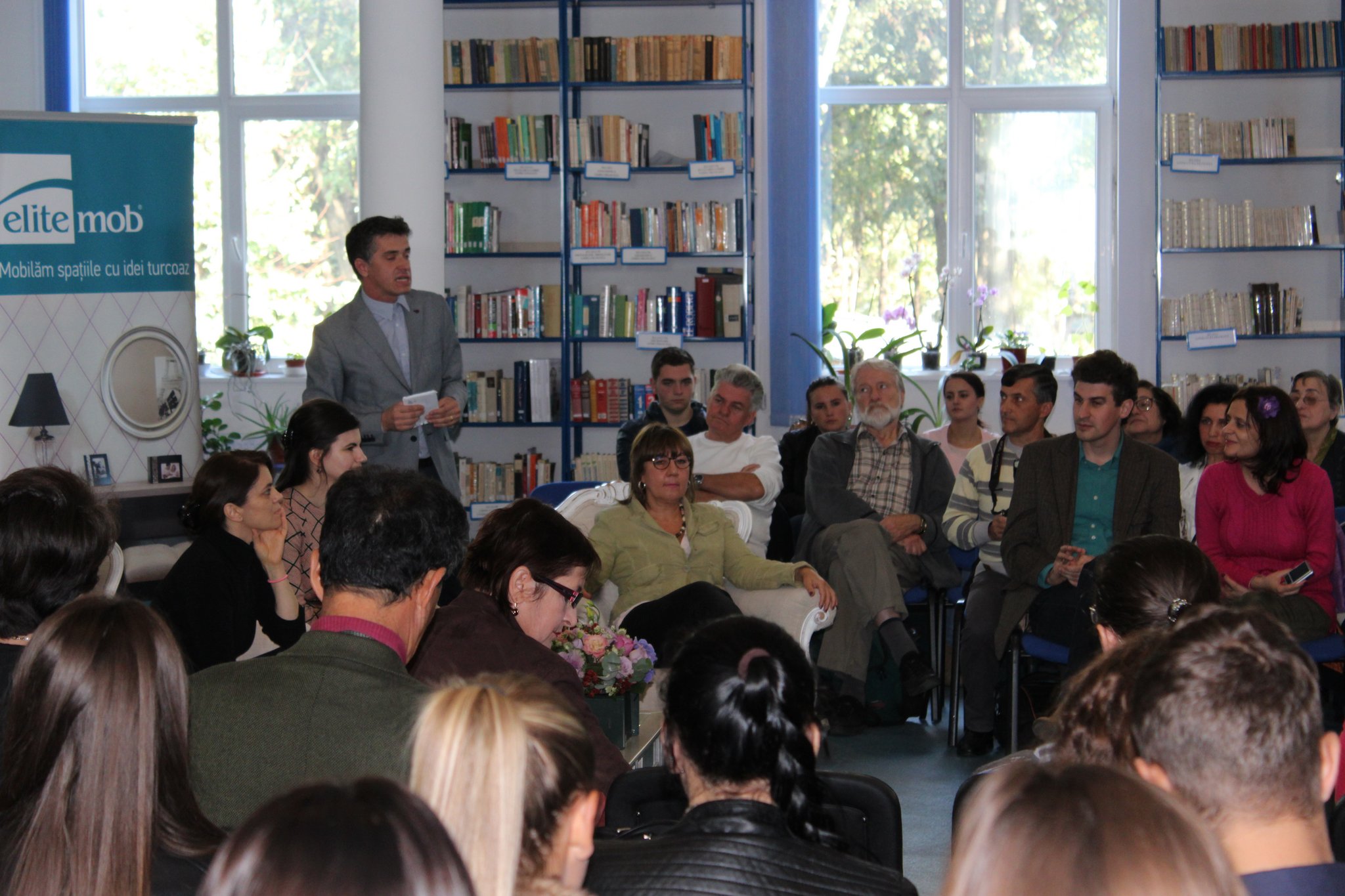
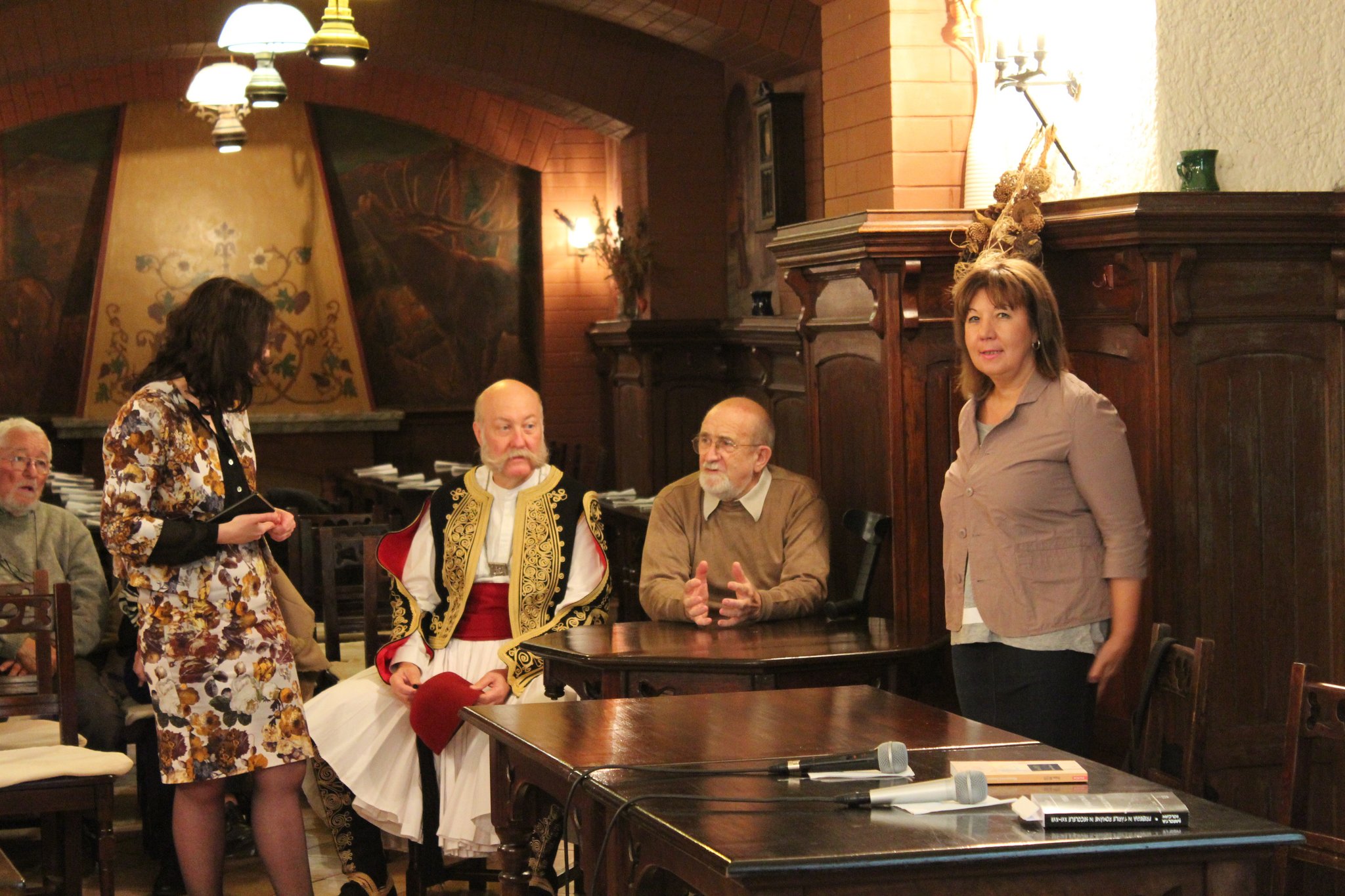
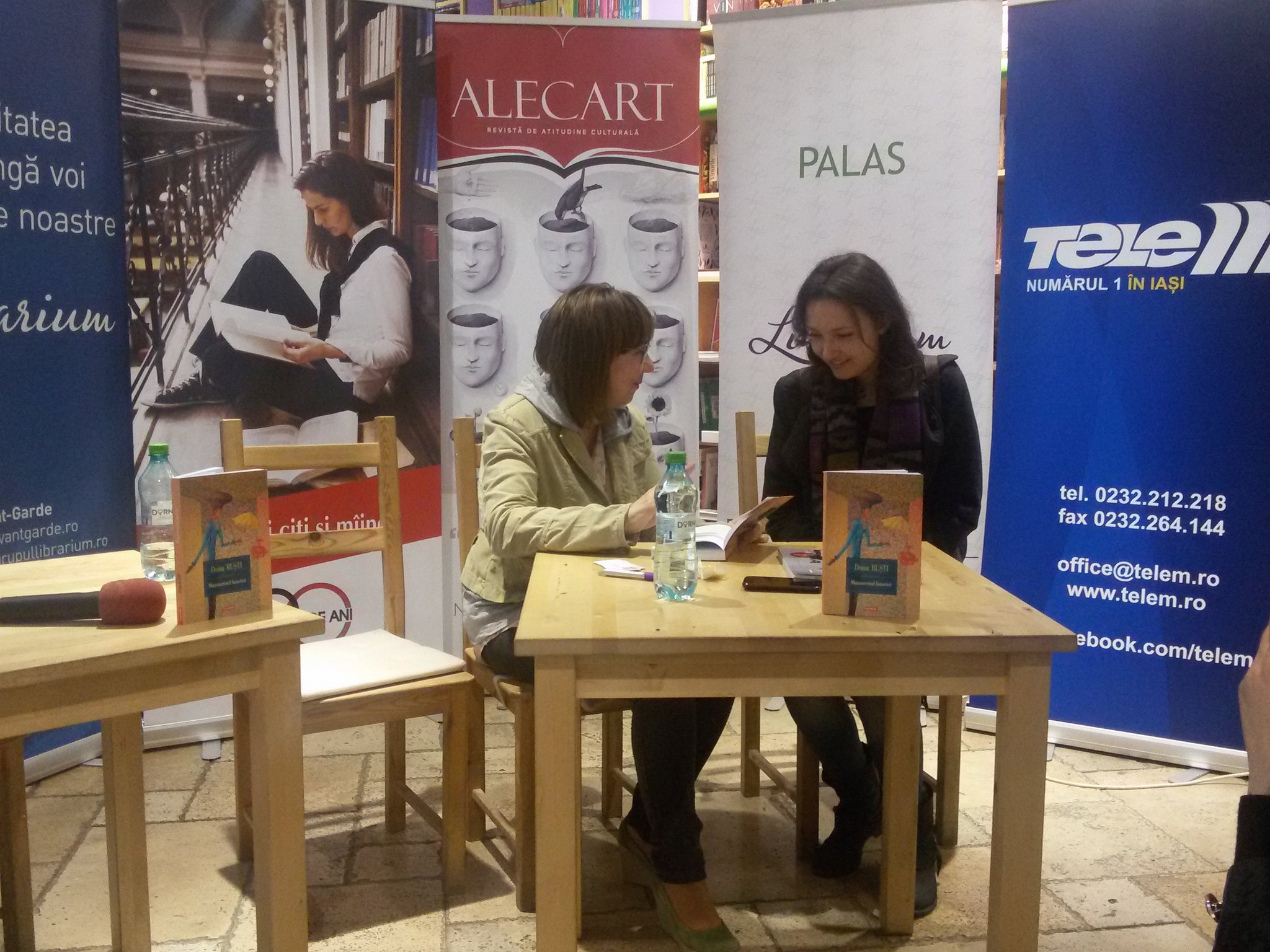
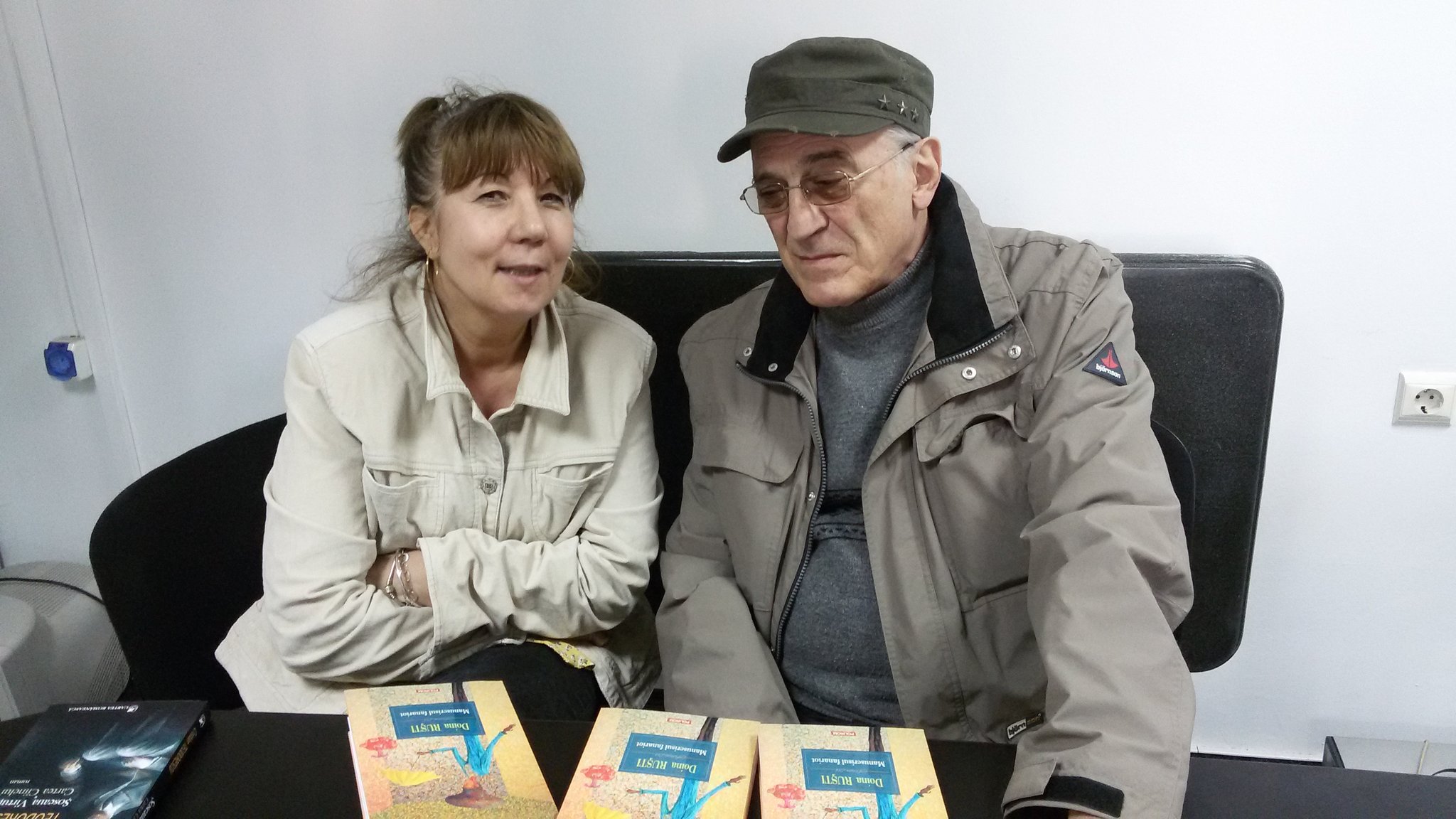
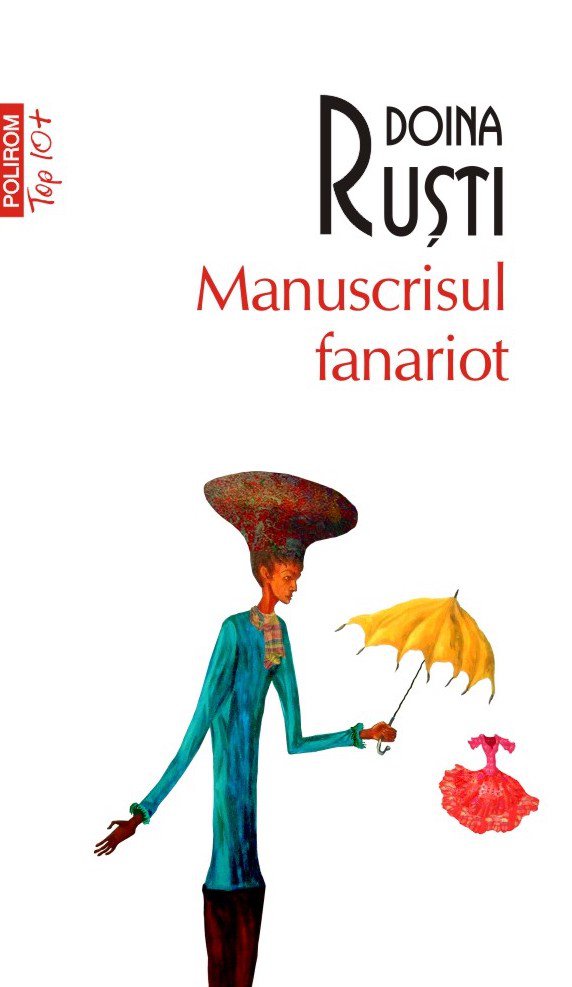
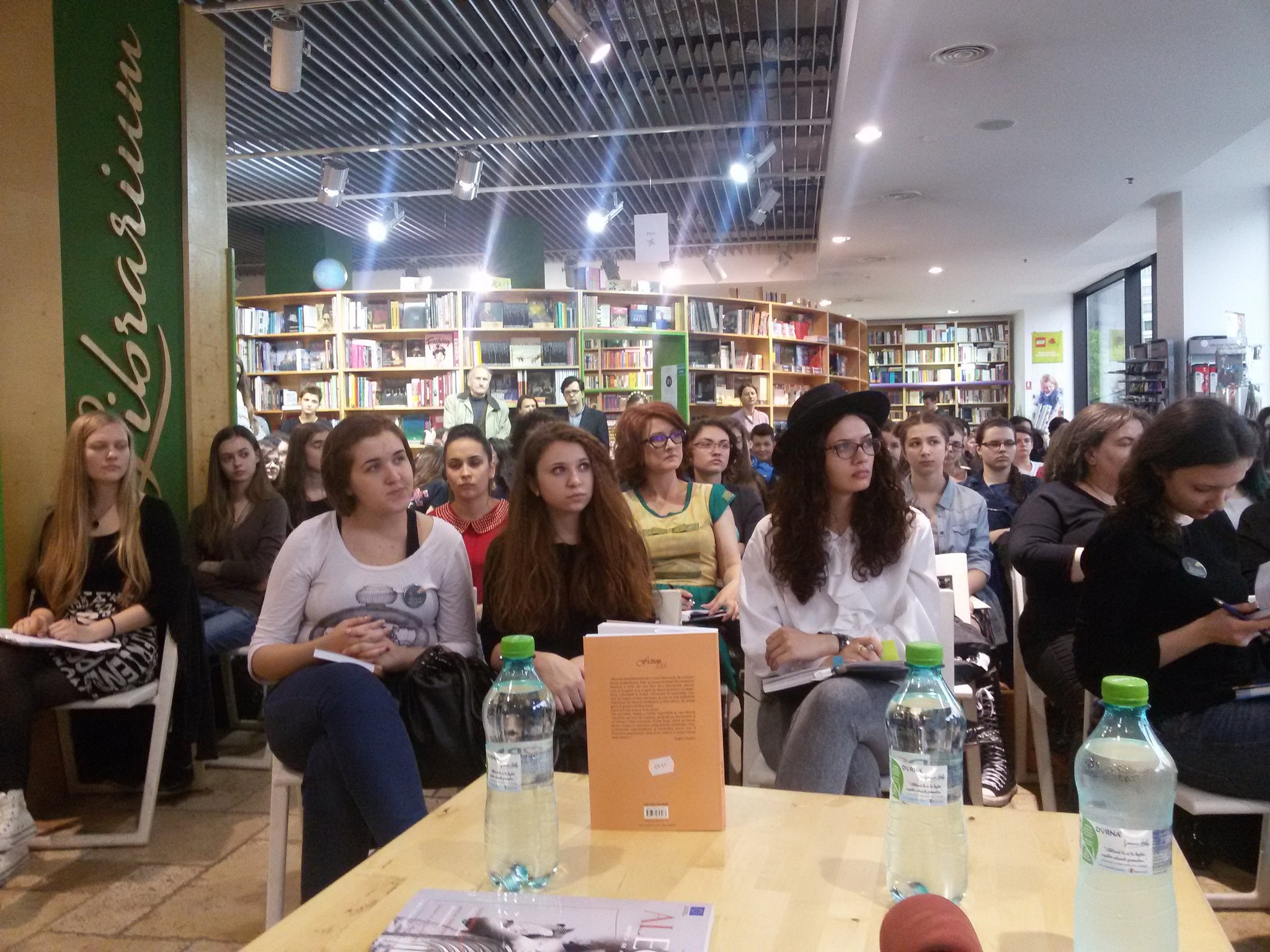
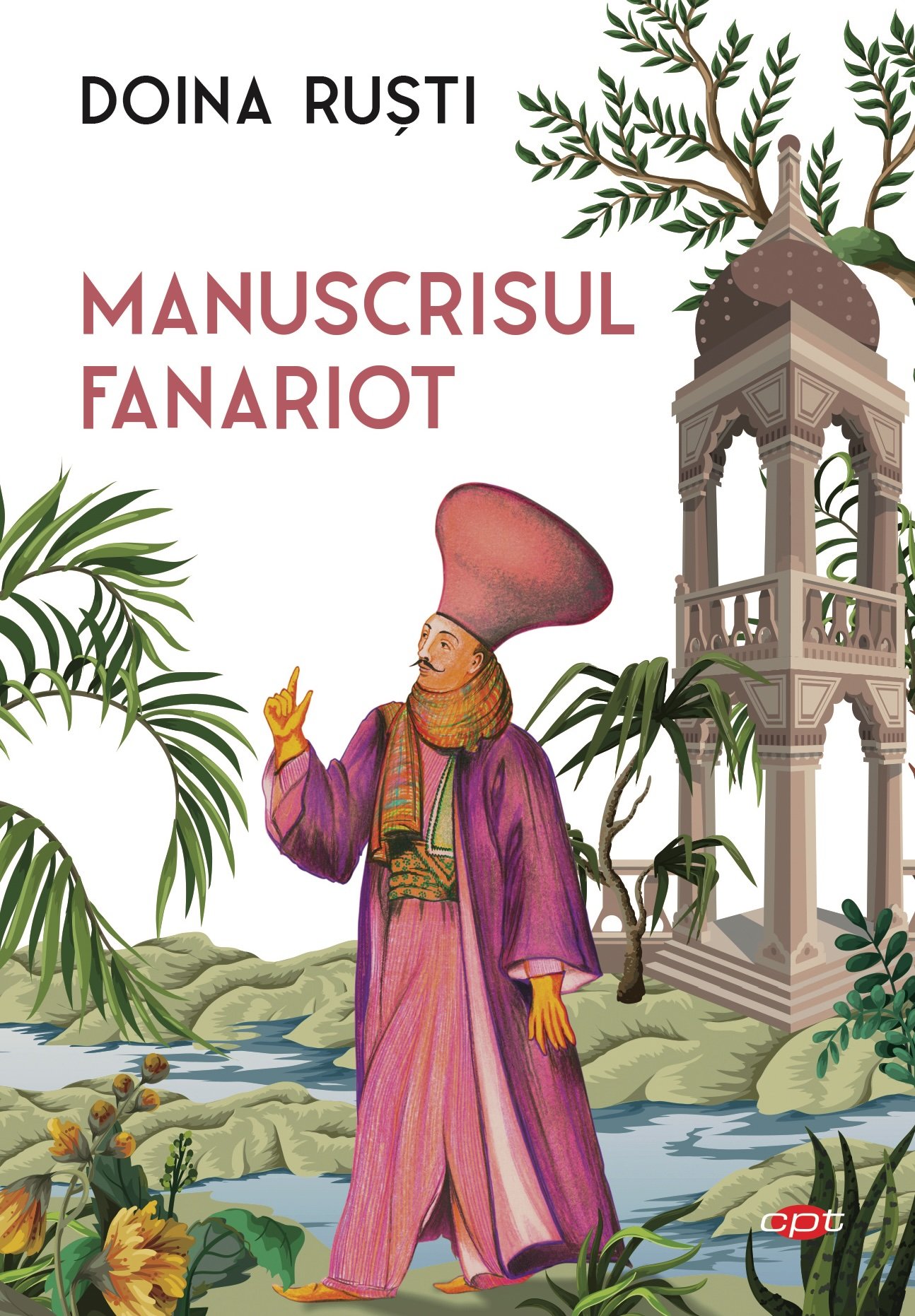
This page presents The Phanariot Manuscript, the novel by Doina Ruști published by Polirom in 2015 and later reissued. It includes the plot of the novel, excerpts from the book, its editions, interviews, meetings with readers, and other events dedicated to the novel.
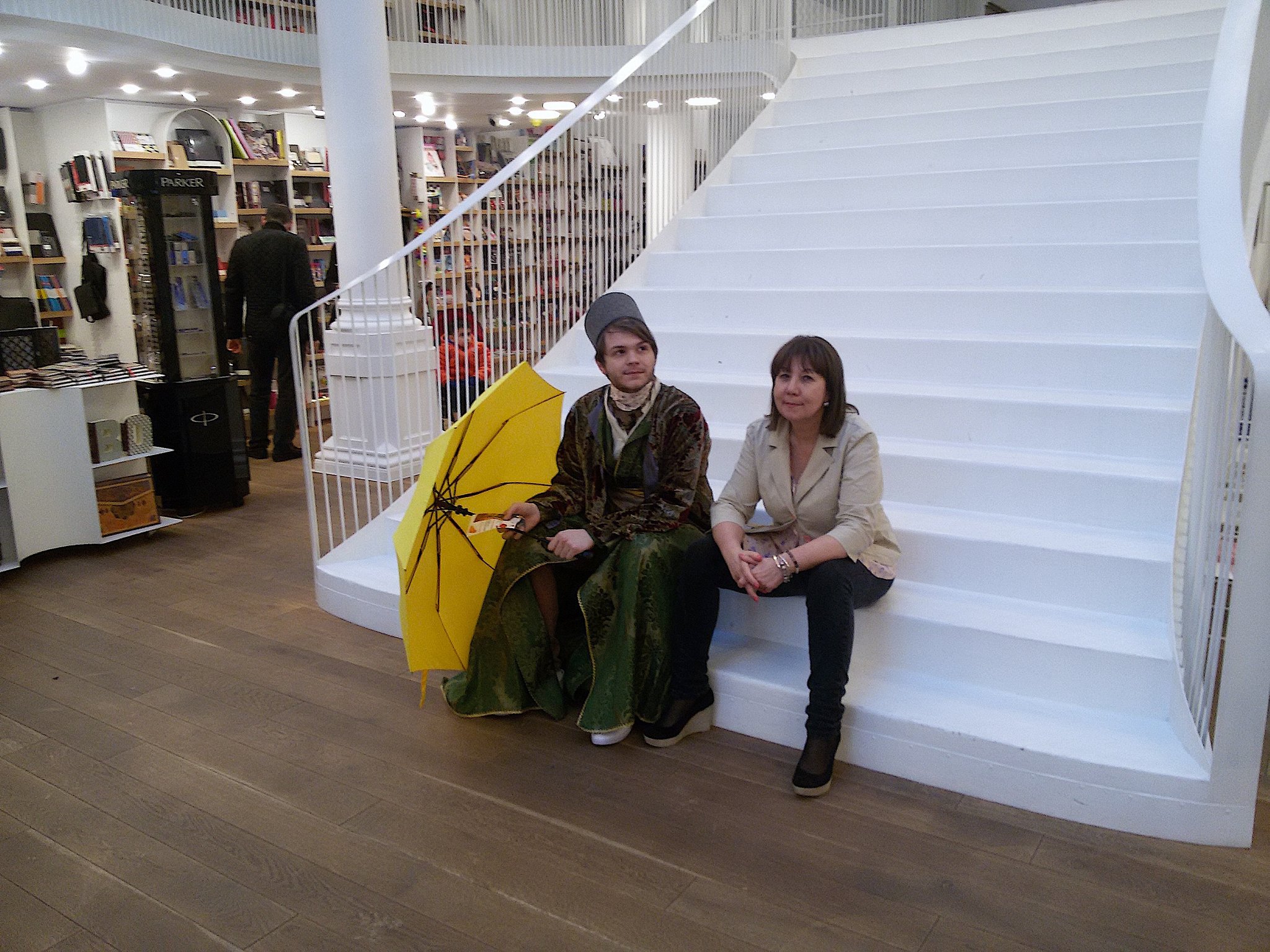
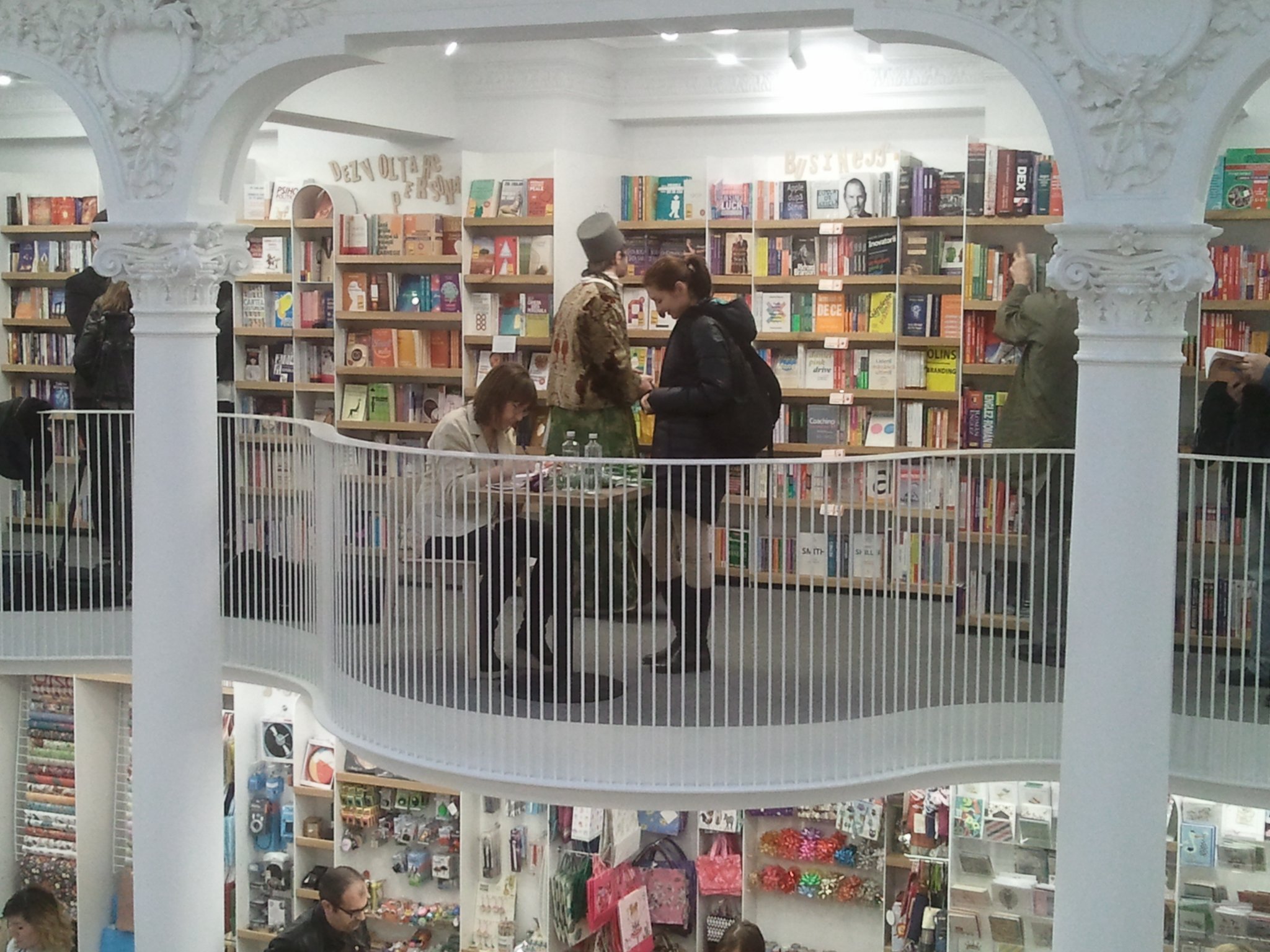
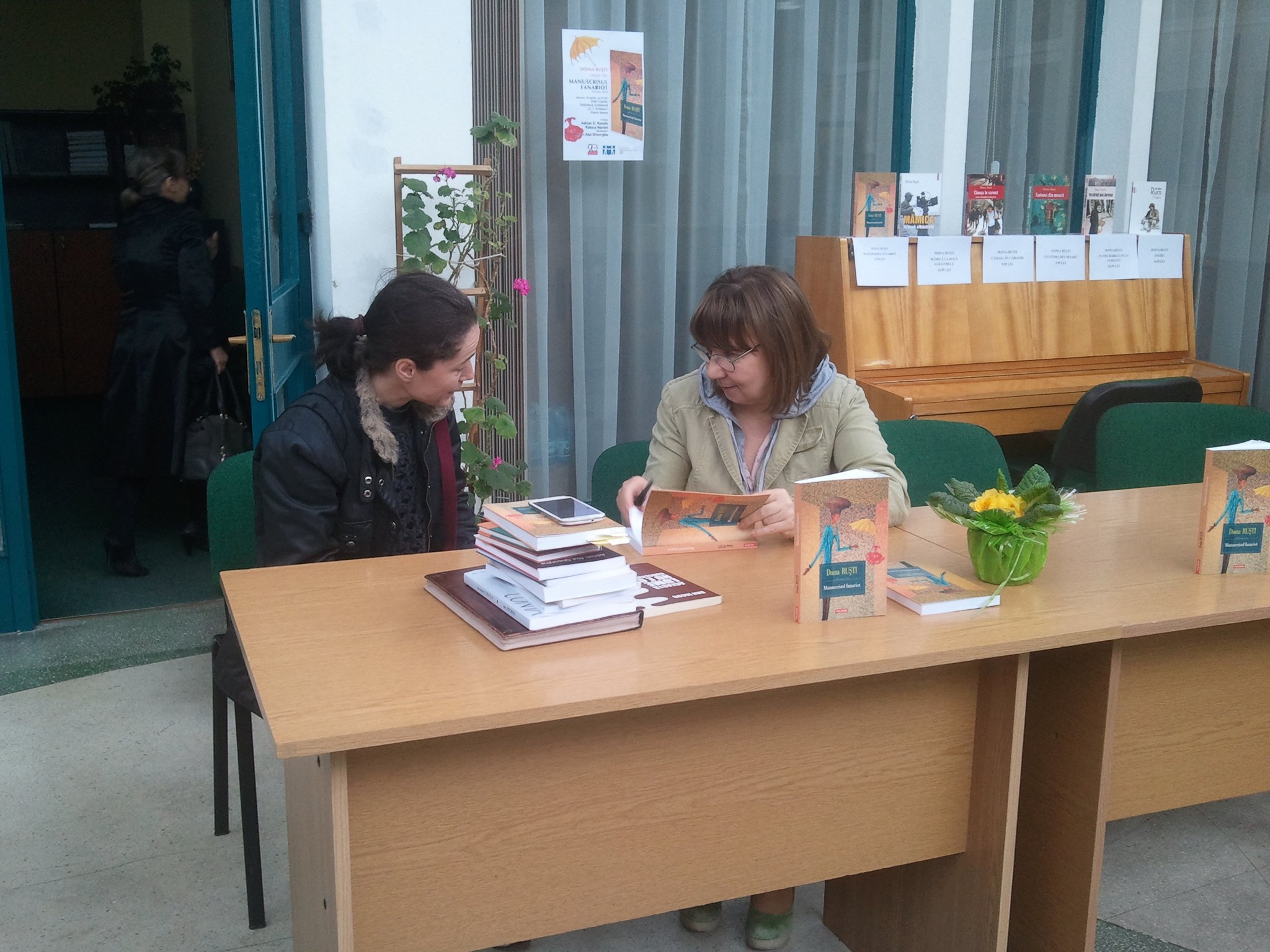
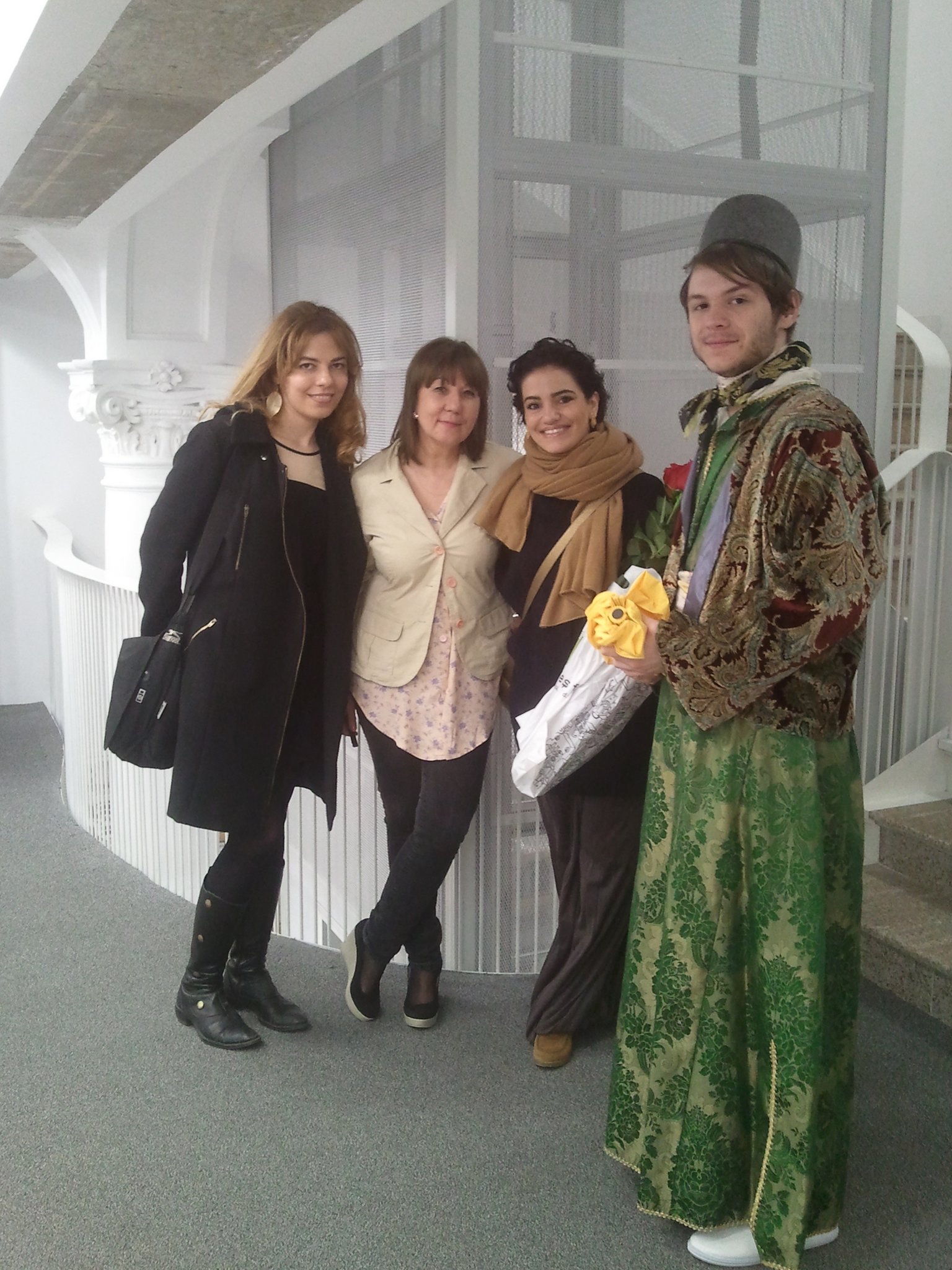
Launched in 2015 at the Bucharest Bookfest International Book Fair
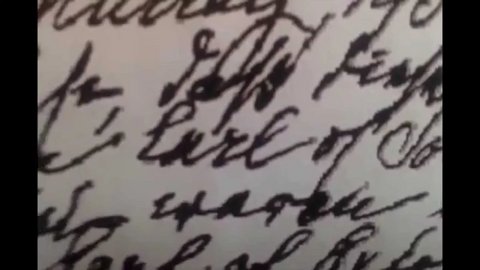
The Phanariot Manuscript is a literary novel layered with history and magic, built around a real eighteenth-century document: a contract for the sale of a human being. This authentic manuscript gradually becomes a character in its own right, haunting the entire narrative.
Leun (17), a tailor from Thessaloniki, is captivated by a song about Bucharest as a city of promise—especially since it was composed by the Sultan himself. He runs away from home with his family’s money, determined to build a free life: to create luxurious clothes and indulge in perfumes. After many misadventures and losses, he arrives in Bucharest, which turns out to be nothing like the song, but rather a multicultural city under Ottoman rule. In this unstable space, identities shift like shadows and even a name is uncertain. Witchcraft is not punished—on the contrary. Everything is mysterious, and Leun is thrown into a vibrant and dangerous world dominated by secrets, music, seduction, superstitions, and social traps—a world historically known as Phanariot. As if this were not enough, Austrian and Russian armies enter Bucharest and the great frenzy of the Russo-Turkish War begins.
Read about the real manuscript behind the novel and how the novel came to be: here
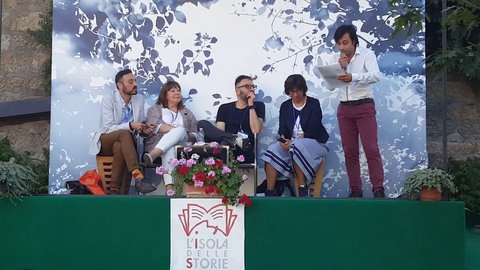
Valentino Mannias reads from The Phanariot Manuscript – a reading from the novel Manuscrisul fanariot by Doina Ruști at the L’Isola delle Storia literature festival.
In this exuberant world, Leun meets Maiorca, a young enslaved woman. It is a forbidden, electric love—of course their first love. Their encounters take on a fabulous form, infecting the entire city. Yet a major obstacle stands in their way: according to the law, any free person who marries a slave becomes a slave as well, together with their entire family, if they have one. No rational person would accept such a fate. But Leun is in love and faces a profound dilemma, triggering a chain of wagers: Bucharest’s inhabitants from every social class begin betting on his decision, dreaming of getting rich. His choice becomes a public spectacle.
Phanarioth Triloy: anniversary
The novel is structured in five chapters, each named after a key word of eighteenth-century Phanariot life: Bucharest, Stranger, Slave, Magic, and Kilipir. Each of these words digs labyrinthine galleries through history and opens countless stories that lead back to the shared archaic roots of the ancient Greeks from whom the Phanariots descended.
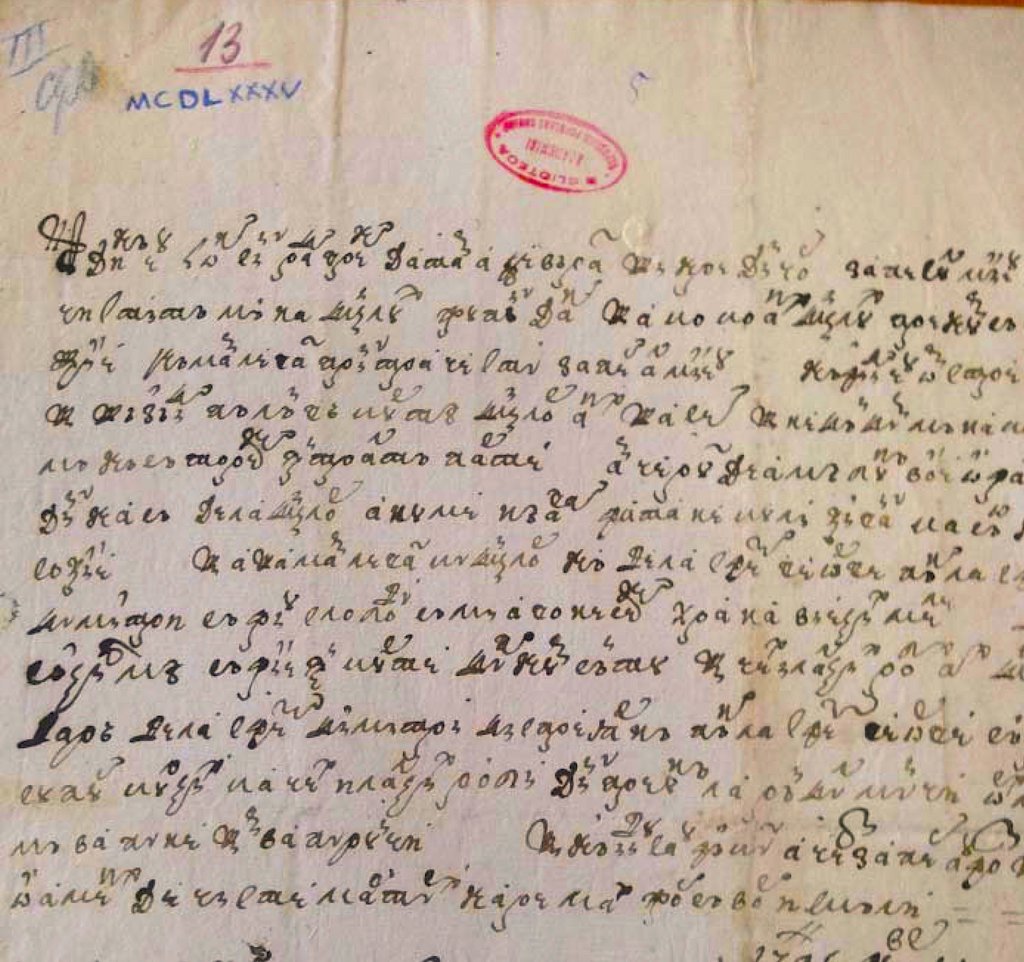
Any contract, in any history, is unjust and, at its core, an act of enslavement.
Mircea Muthu devoted a chapter to her work in Romanian Literary Balkanism
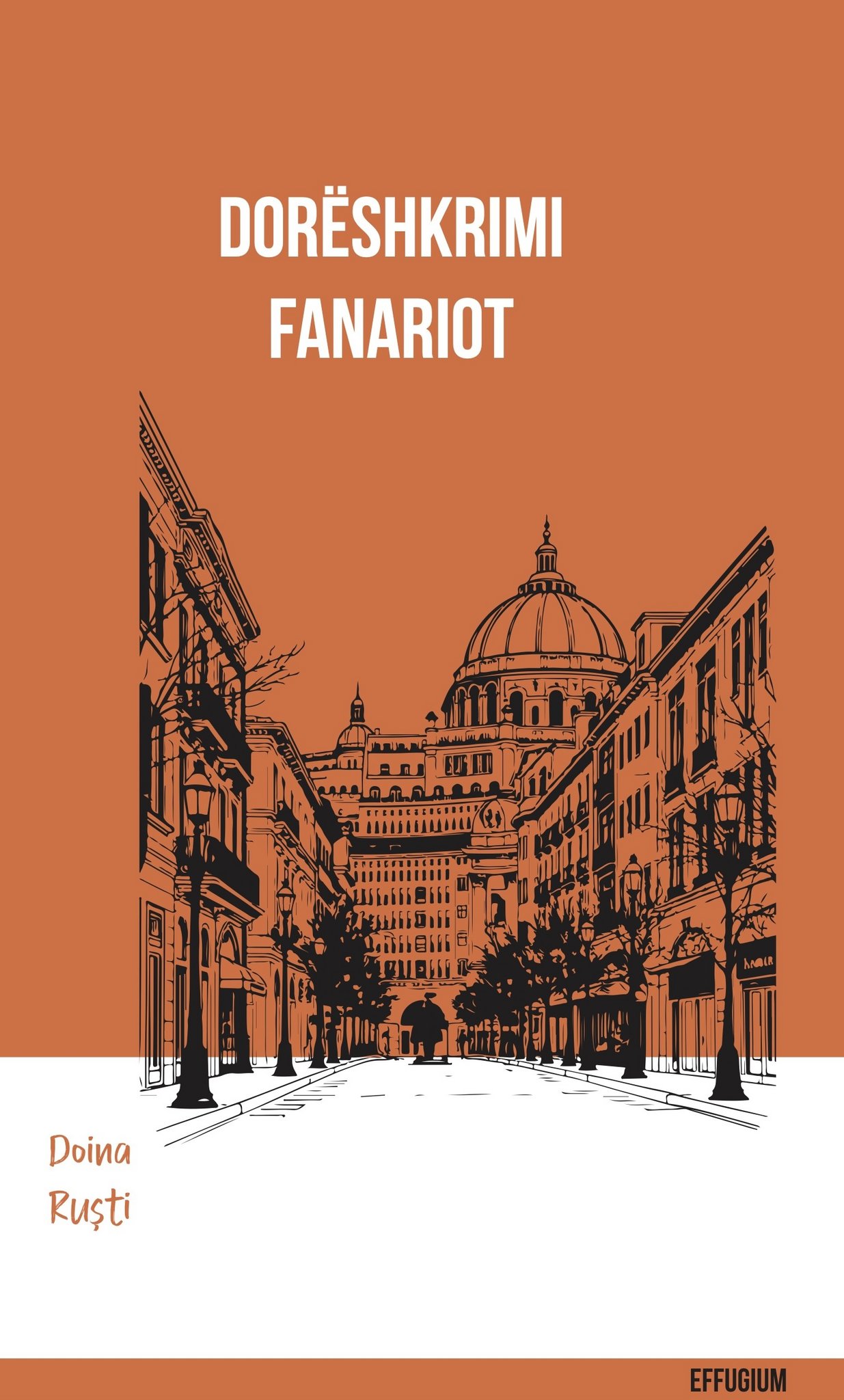
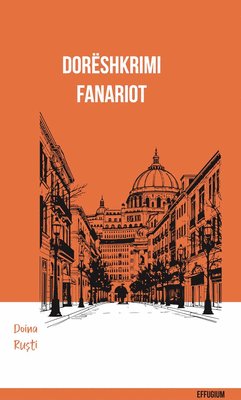
Albanian version: Doreshkrimi Fanariot
On Goodreads
Dictionary of Symbols in Mircea Eliade’s Work by Doina Ruști