Everything belongs to a world specific to Doina Ruști: a magical yet highly credible, and at the same time phantasmatic world.
Serenela Ghițeanu, Revista 22
It is a beautiful love story. A policier novel written according to all the rules of the genre, with skillful suspense management. Yet it is also a vivid snapshot of Romania in 1923
Mircea Morariu, Contributors
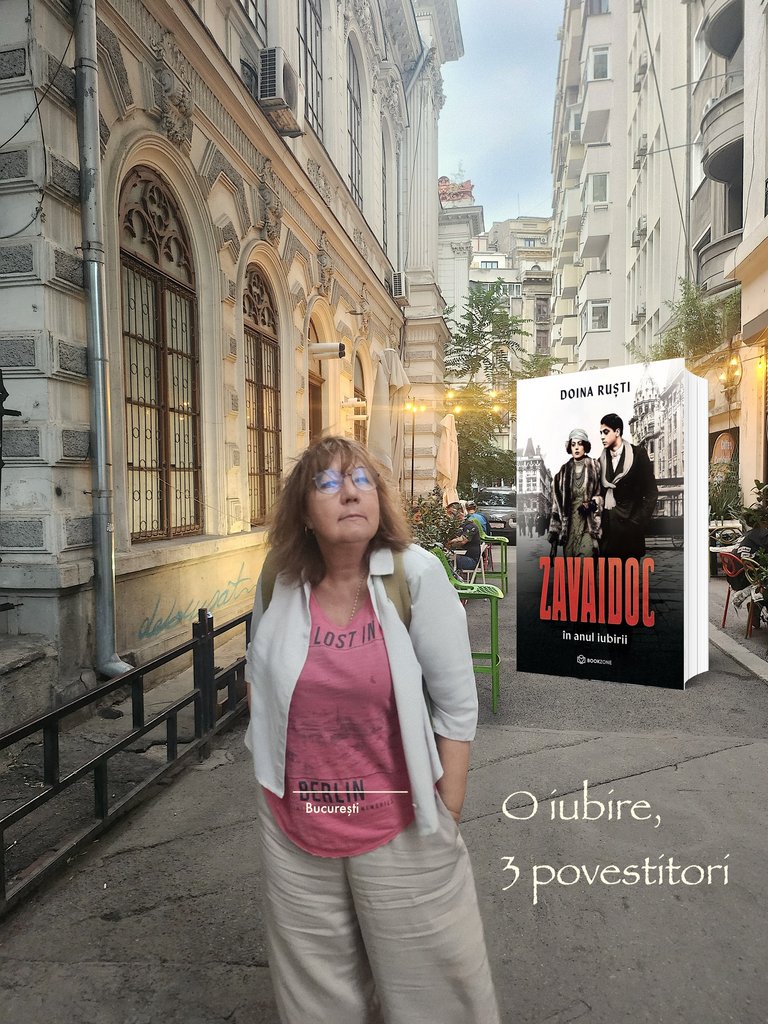
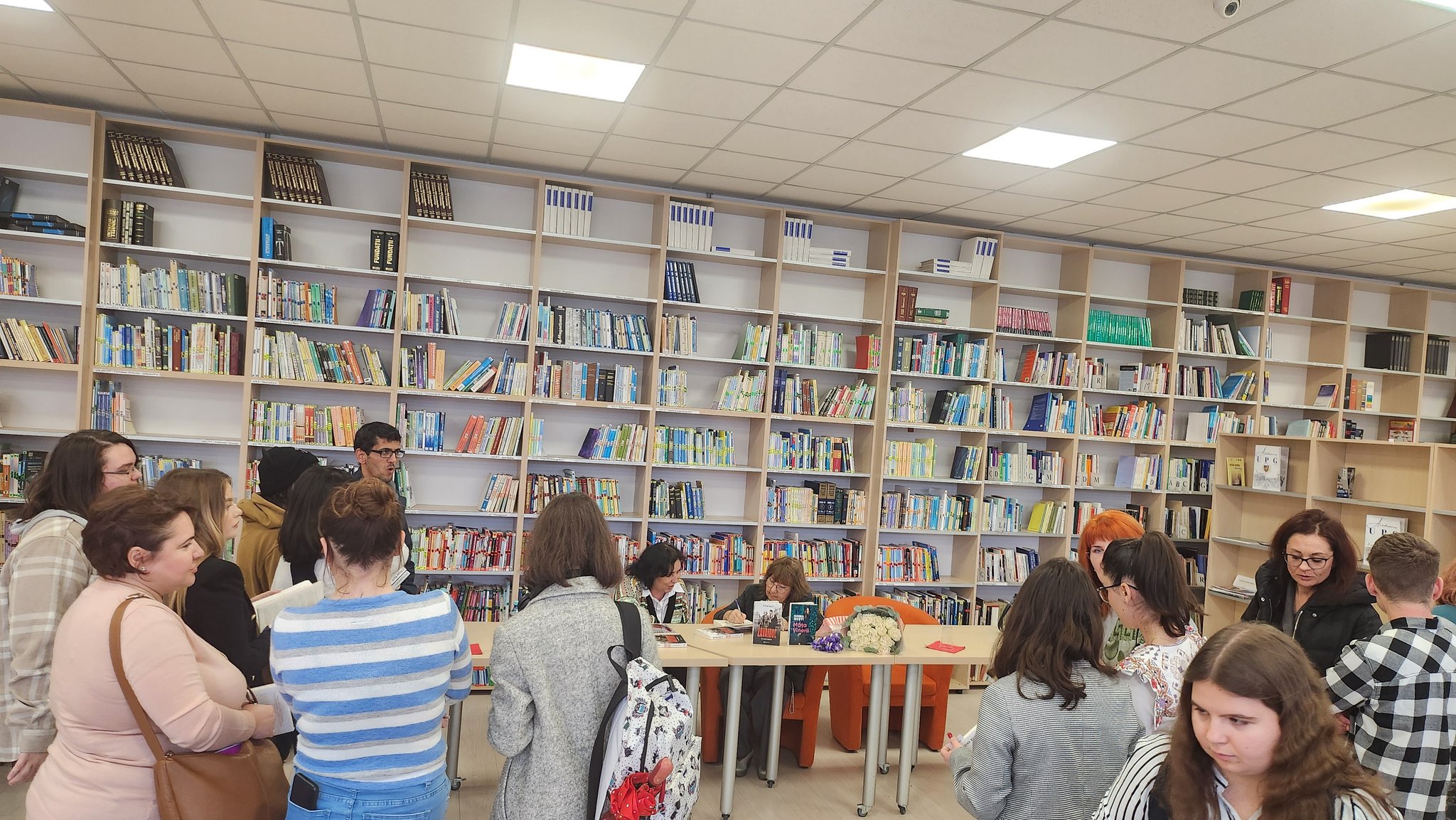
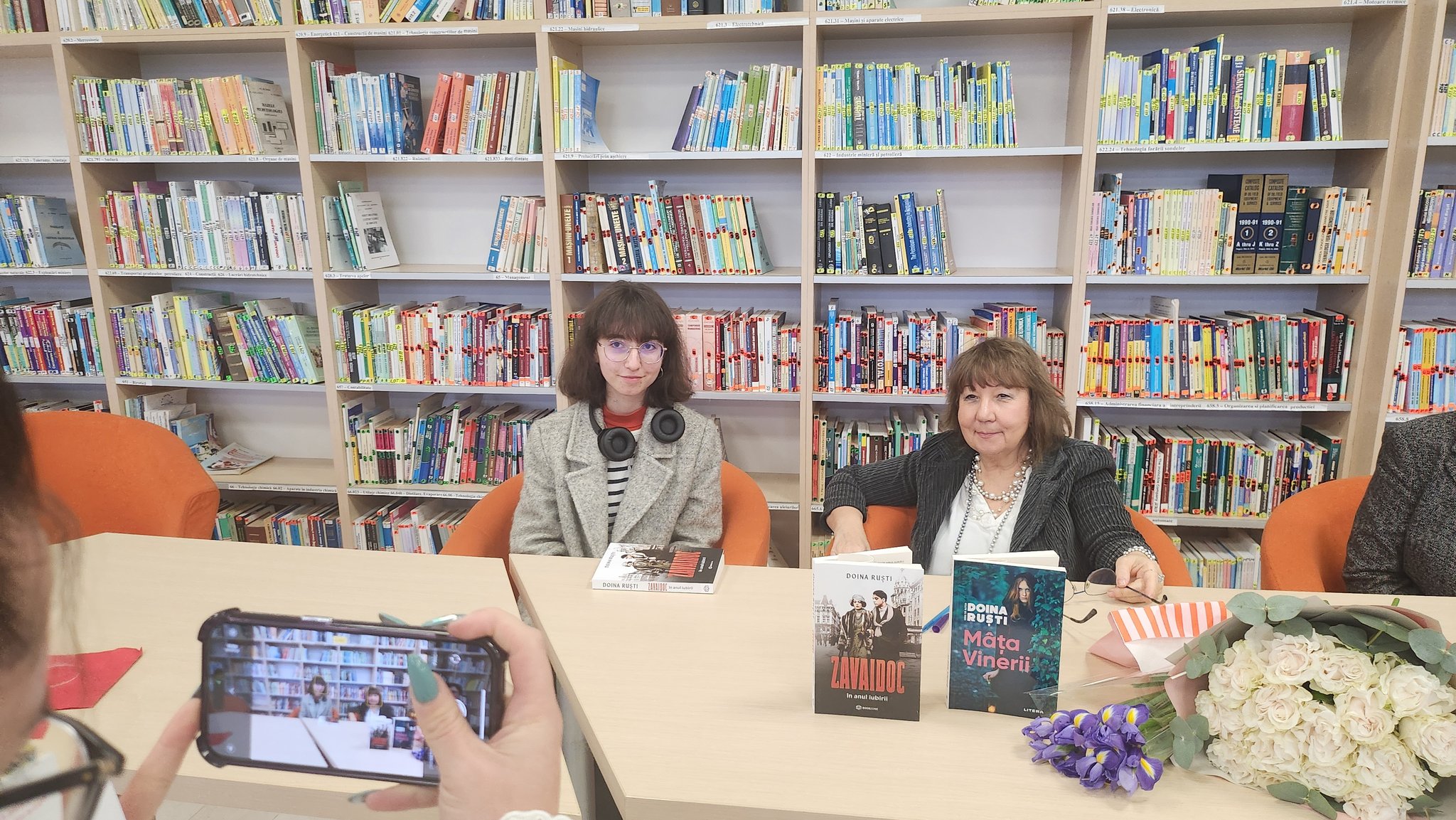
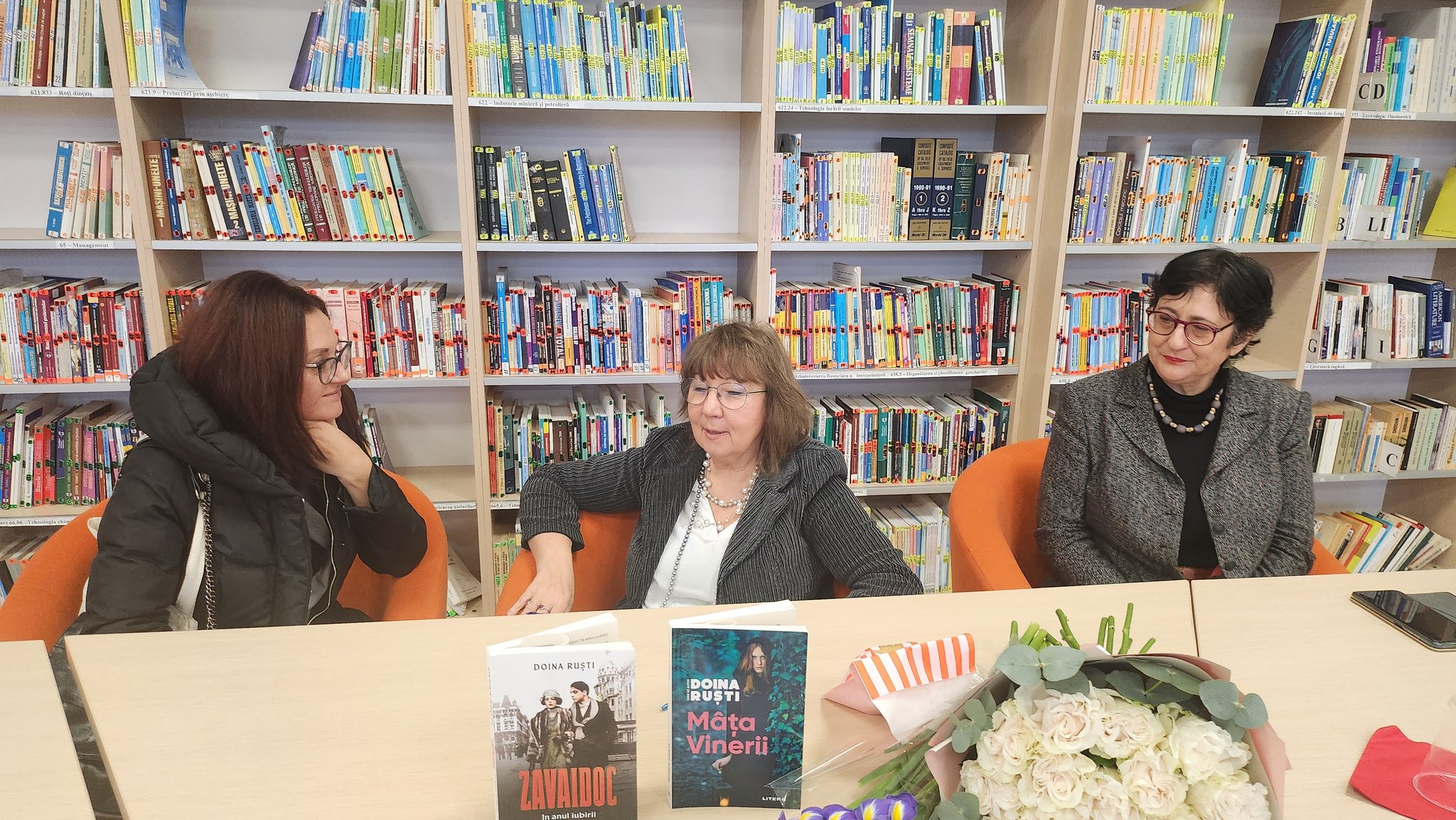
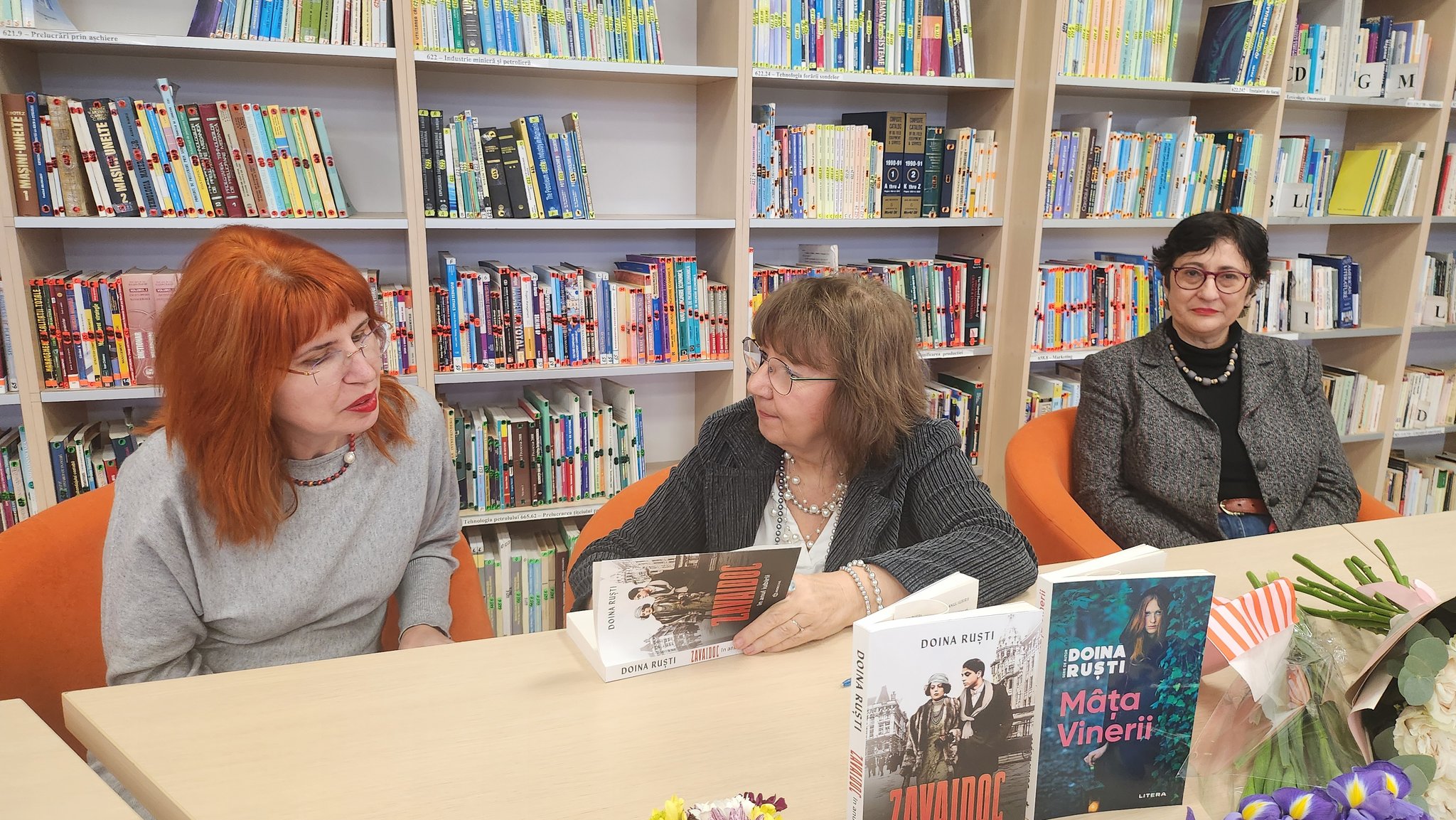
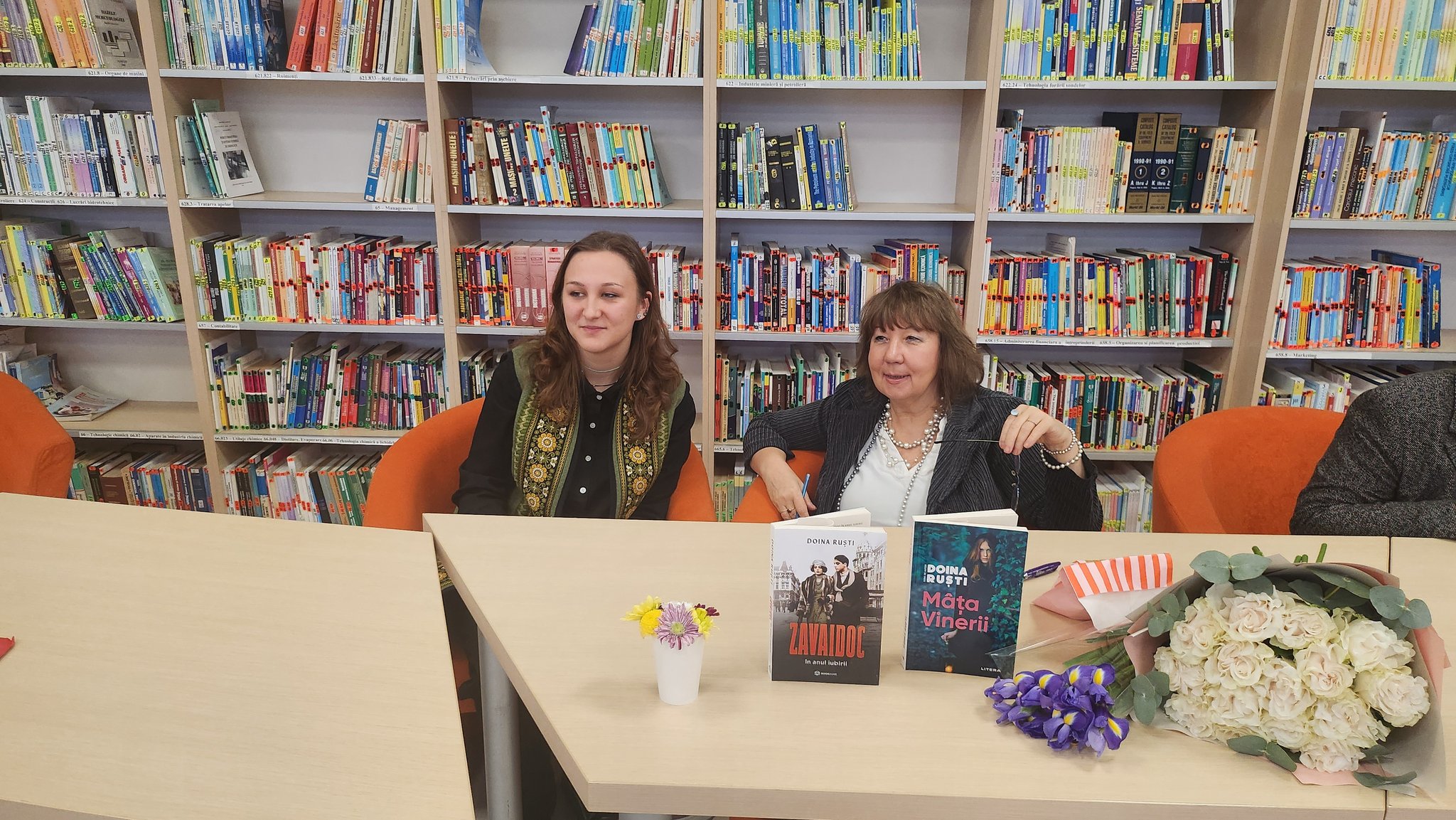
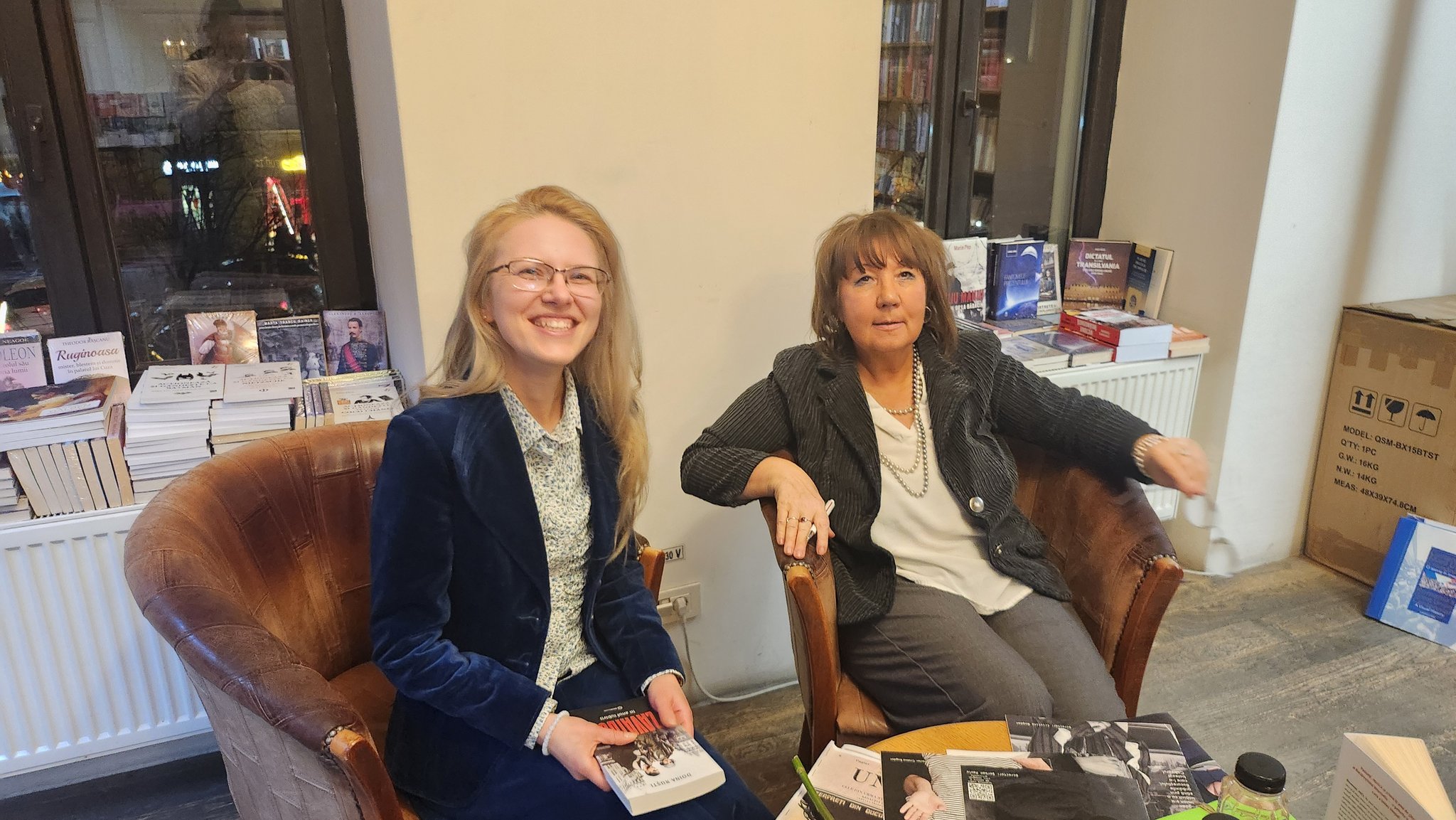
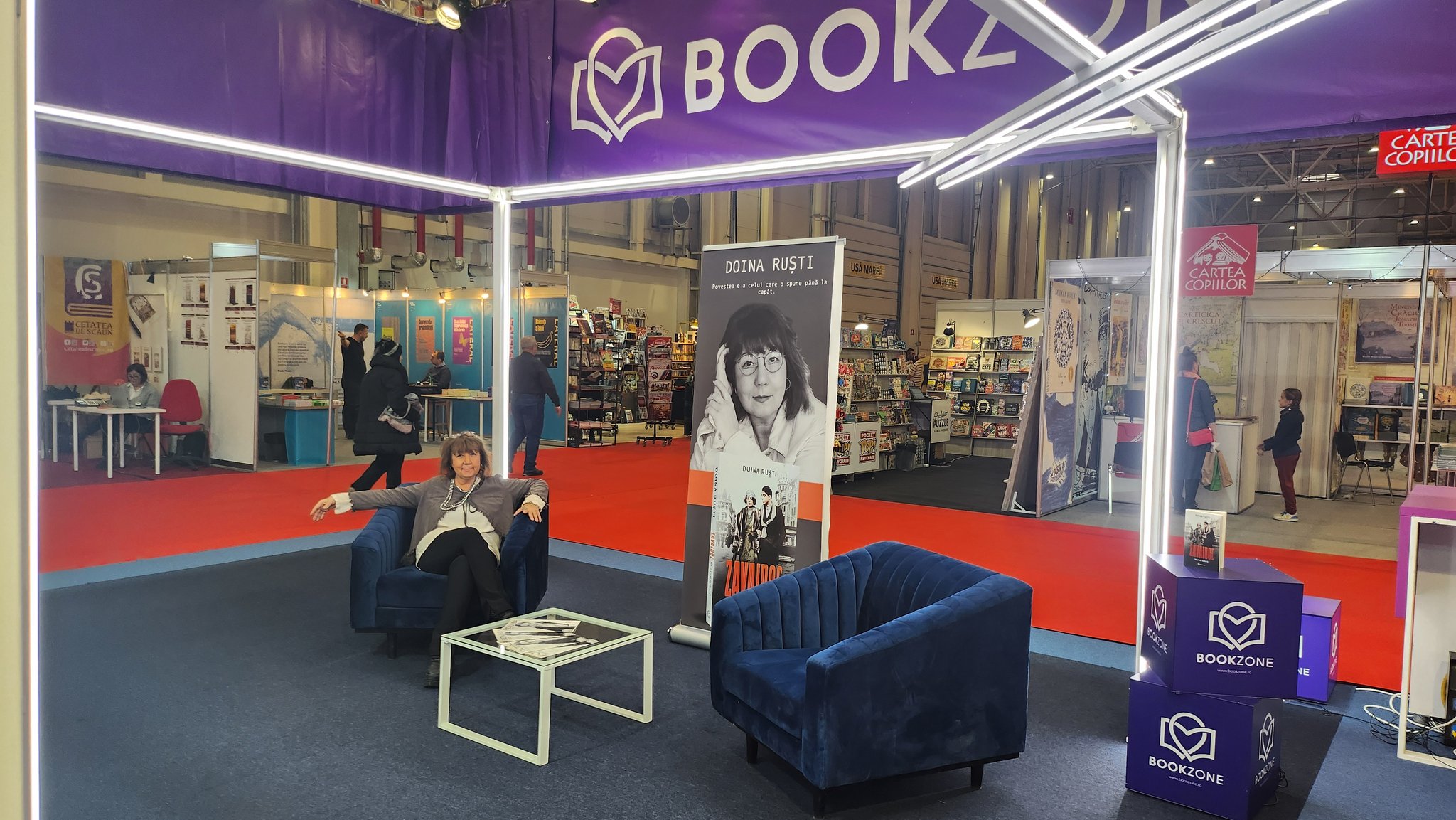
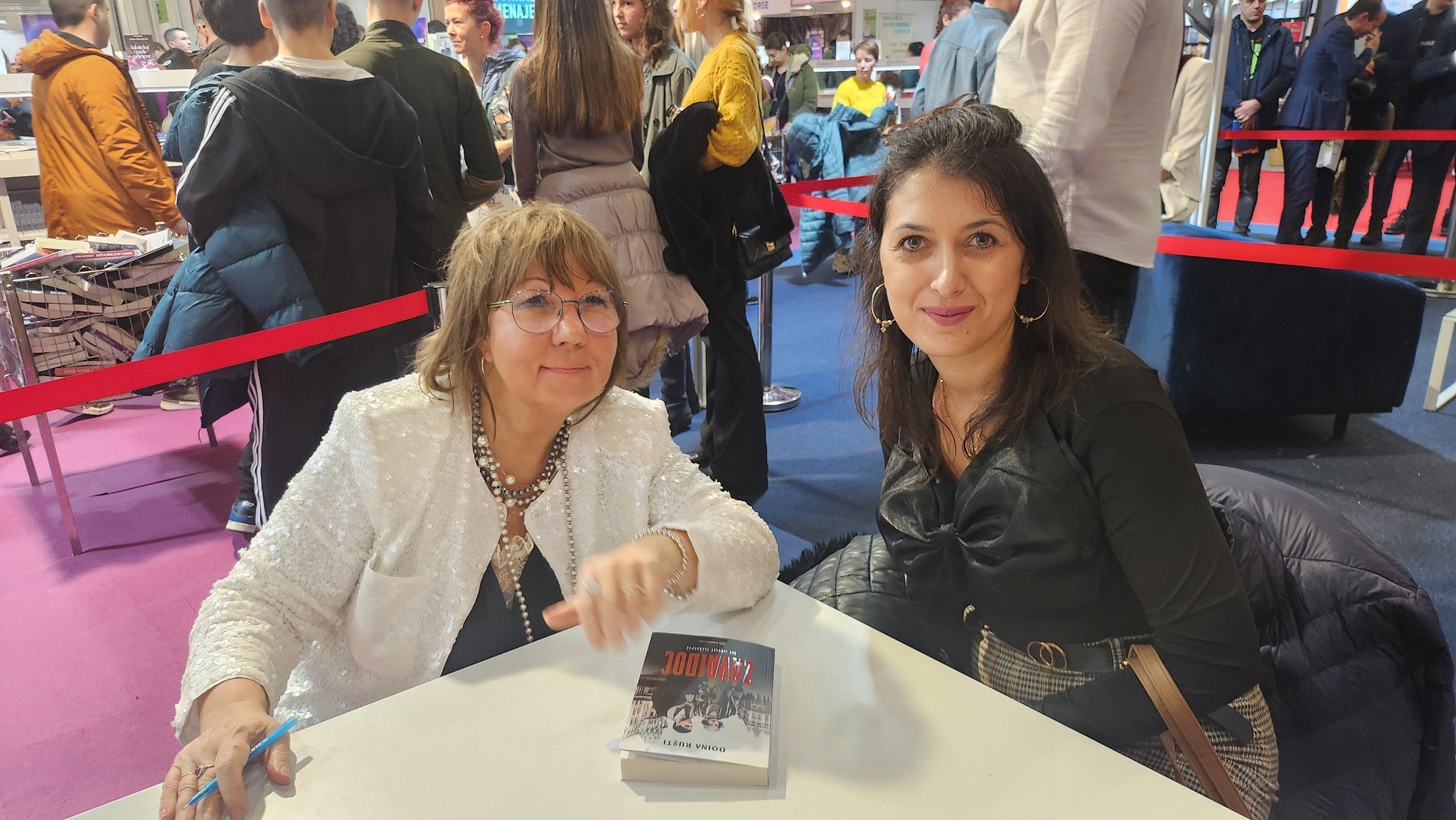
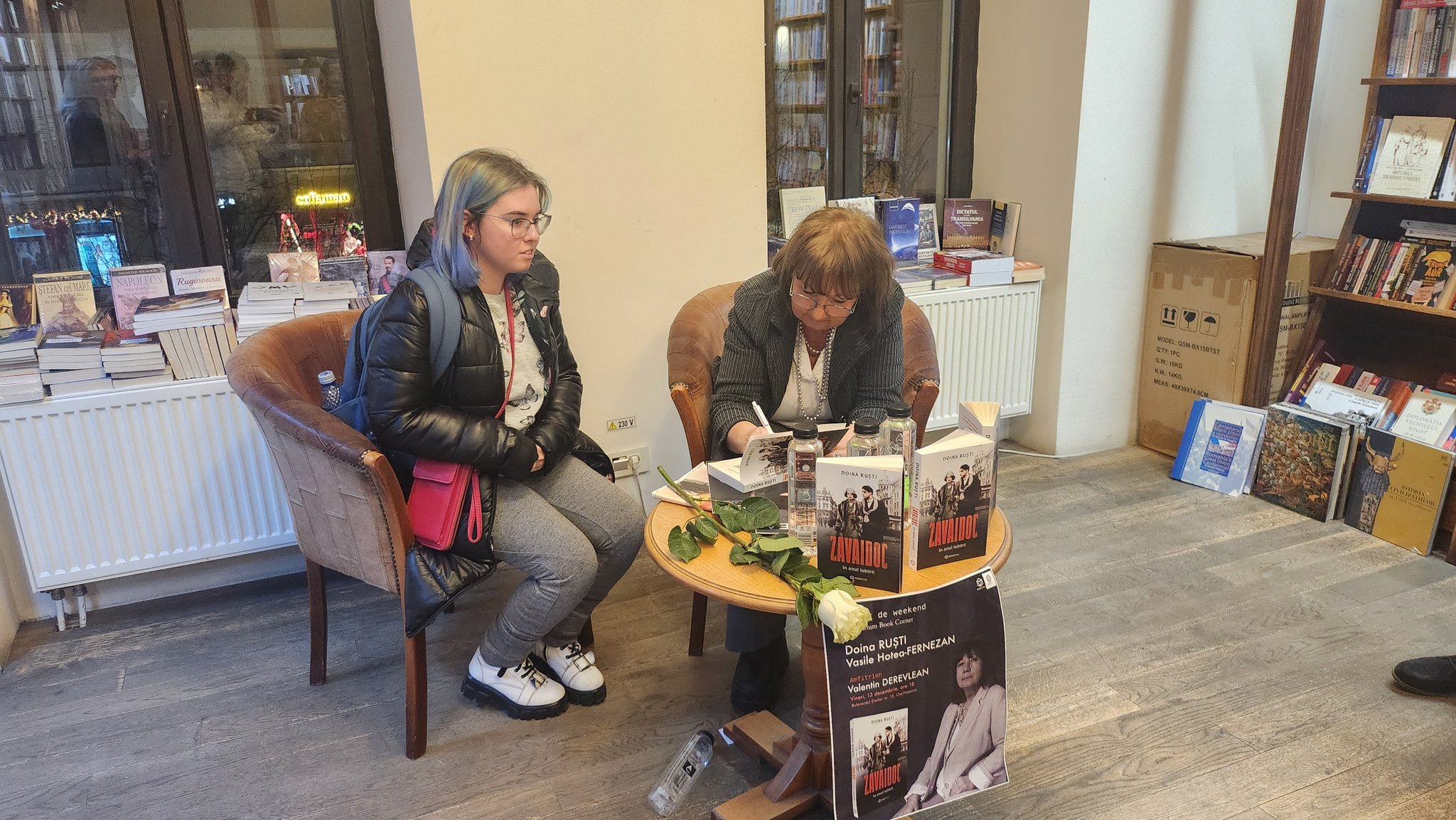
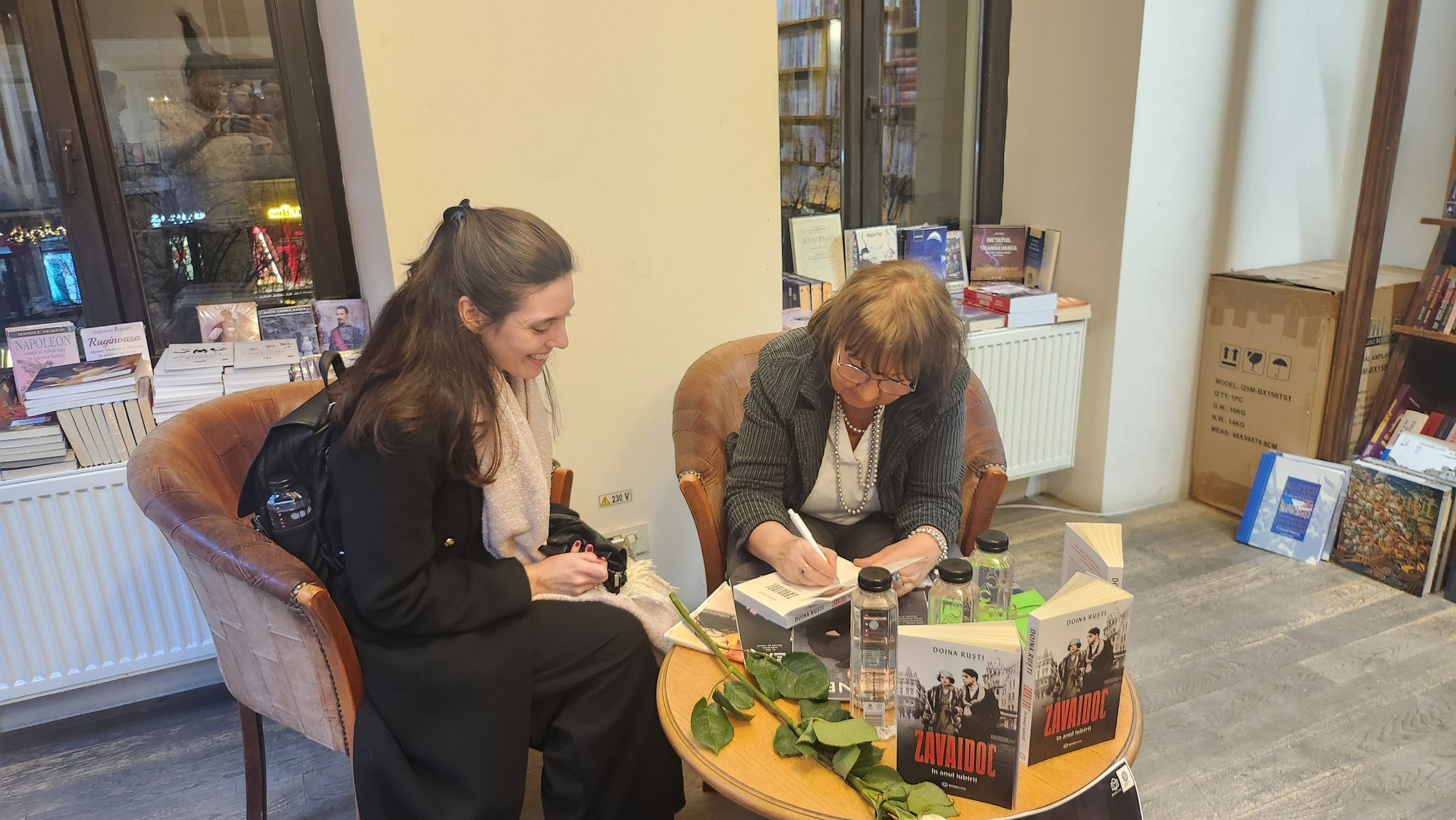
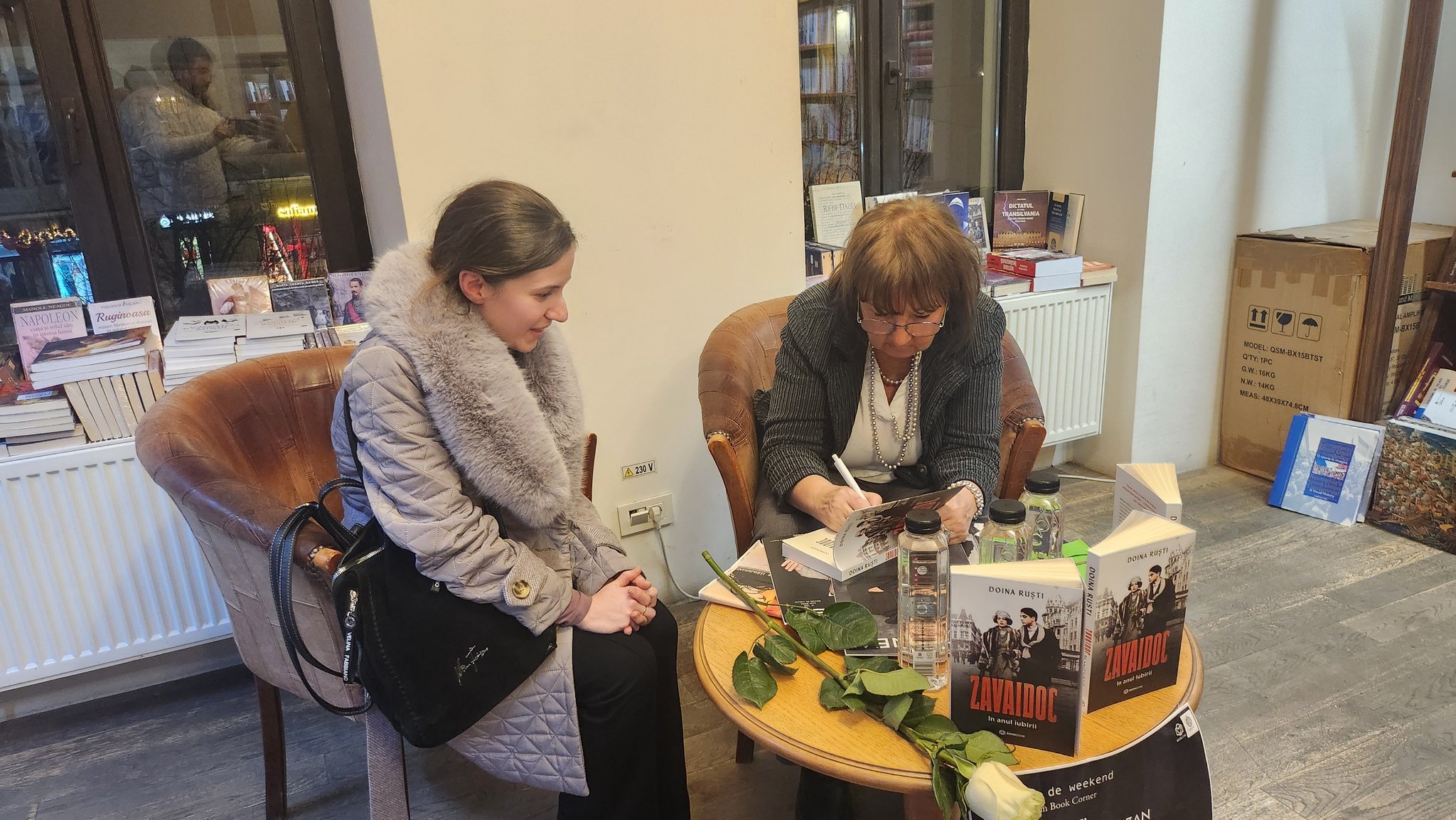
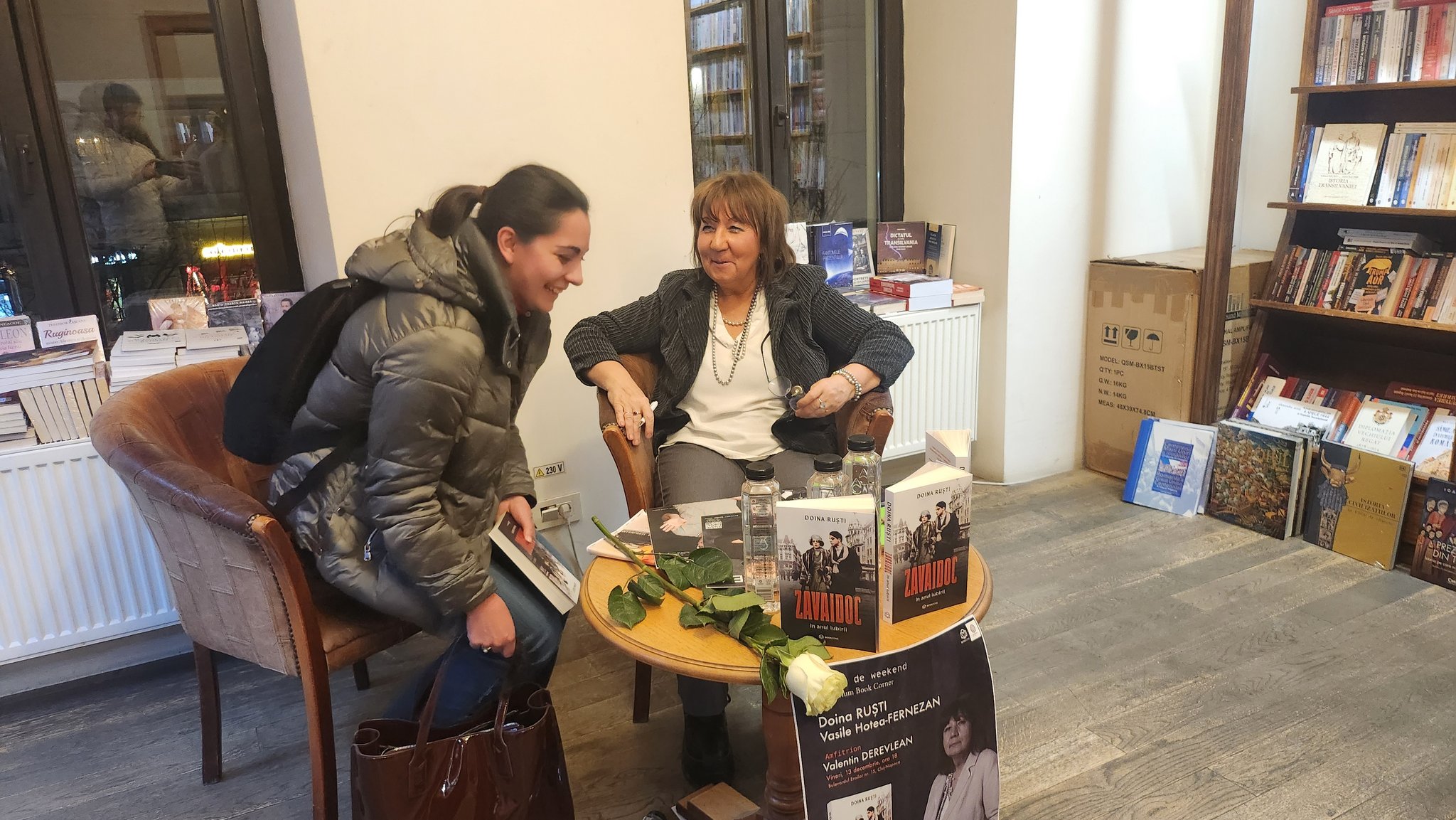
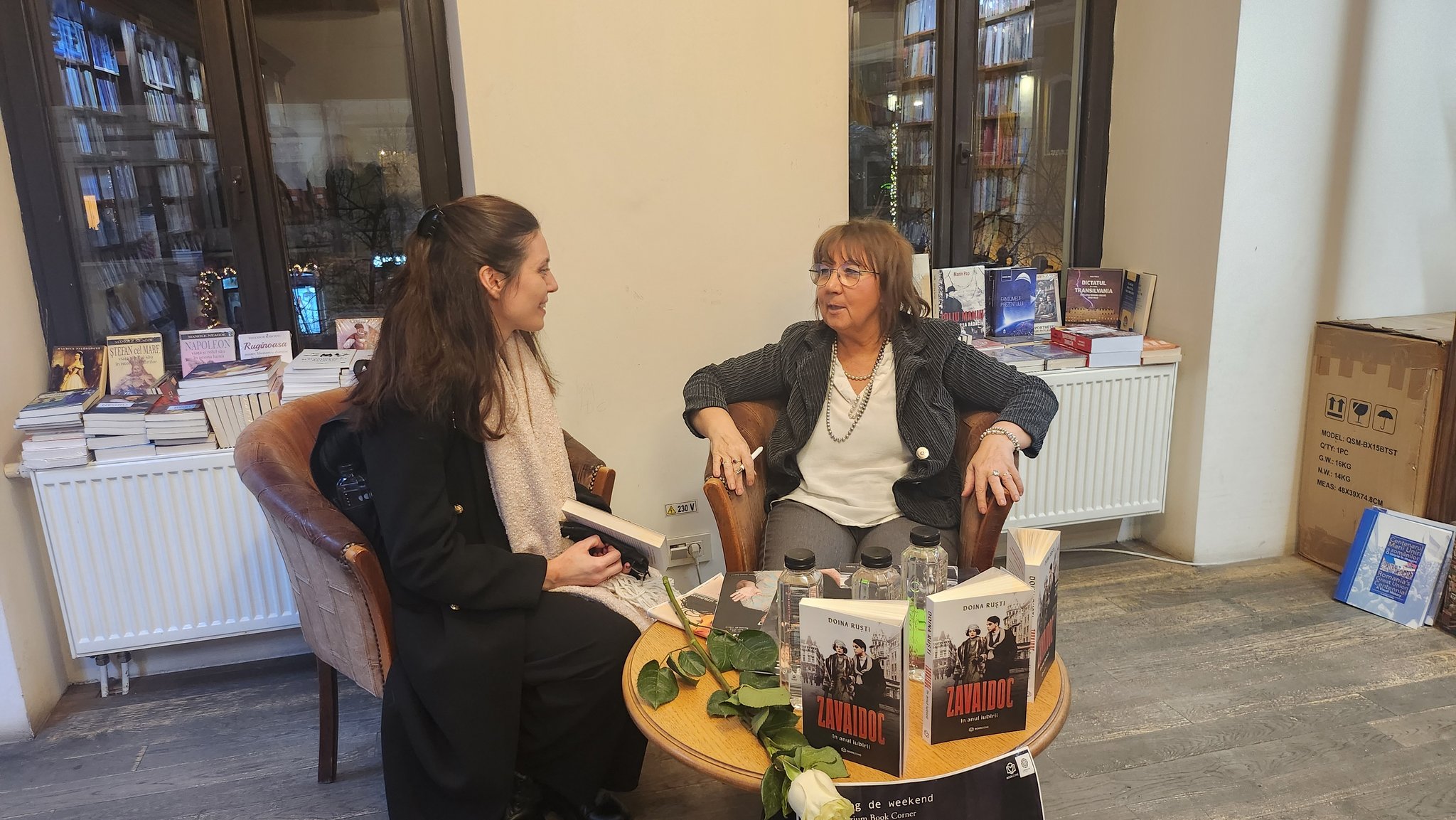
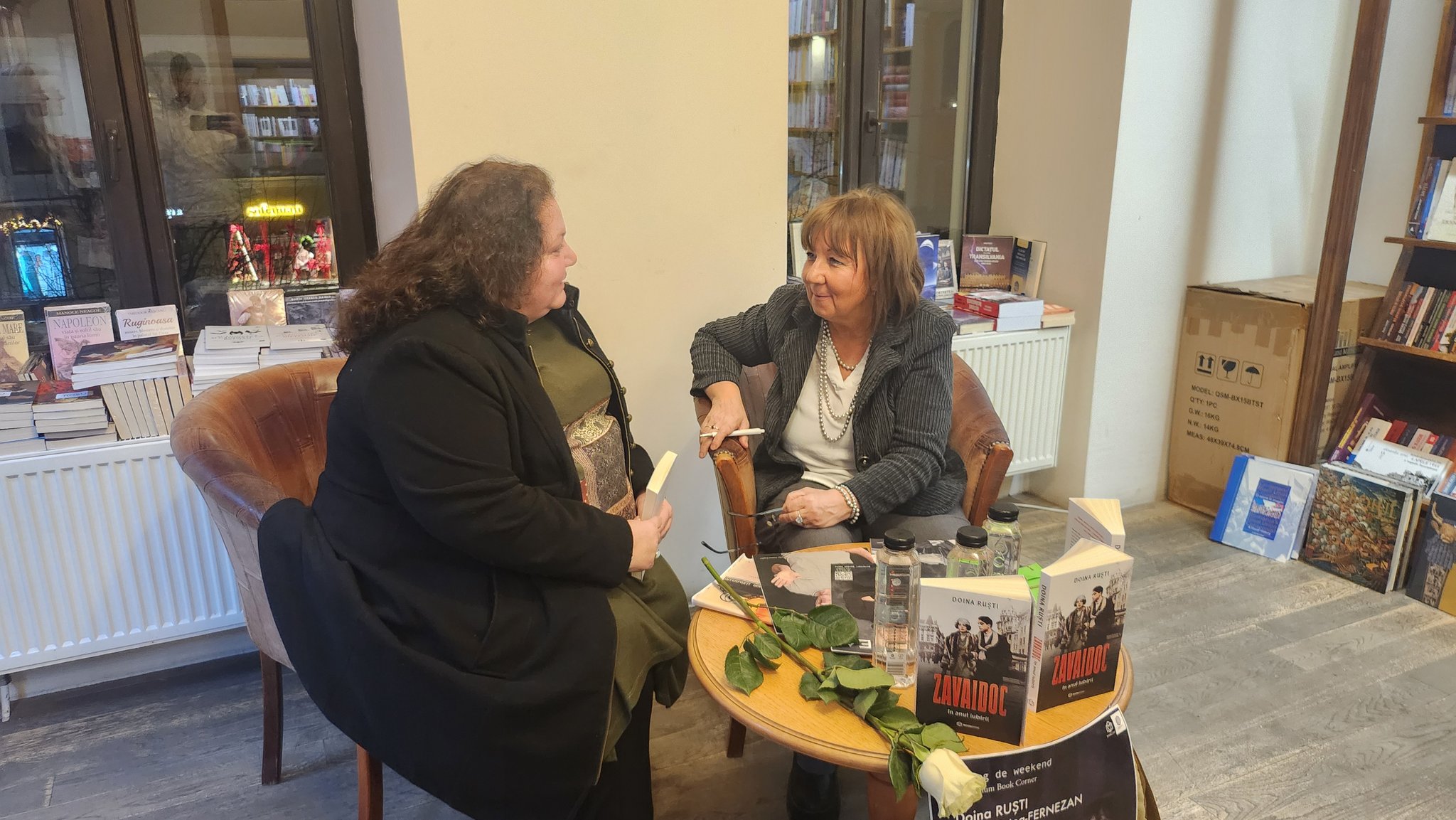
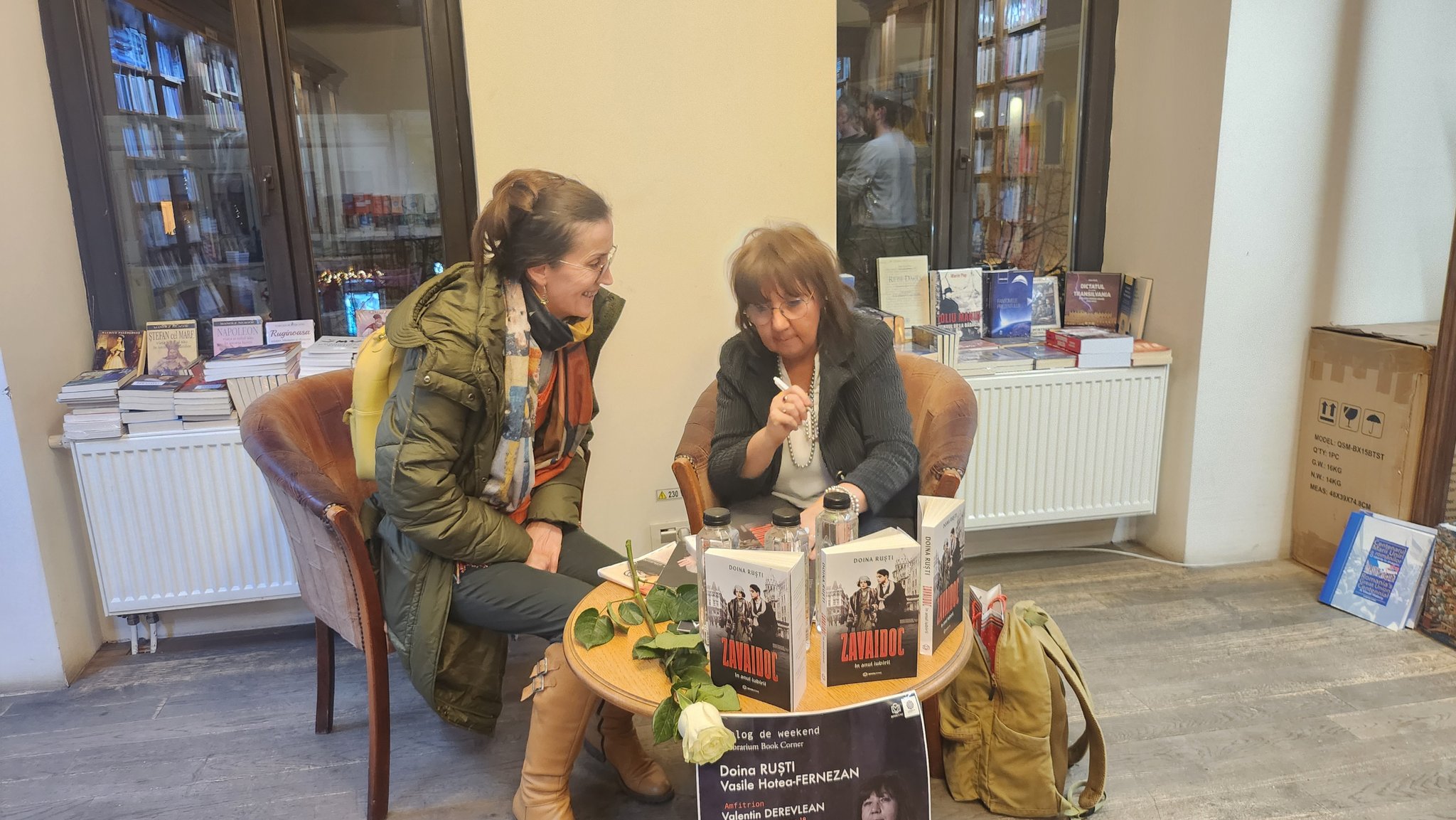
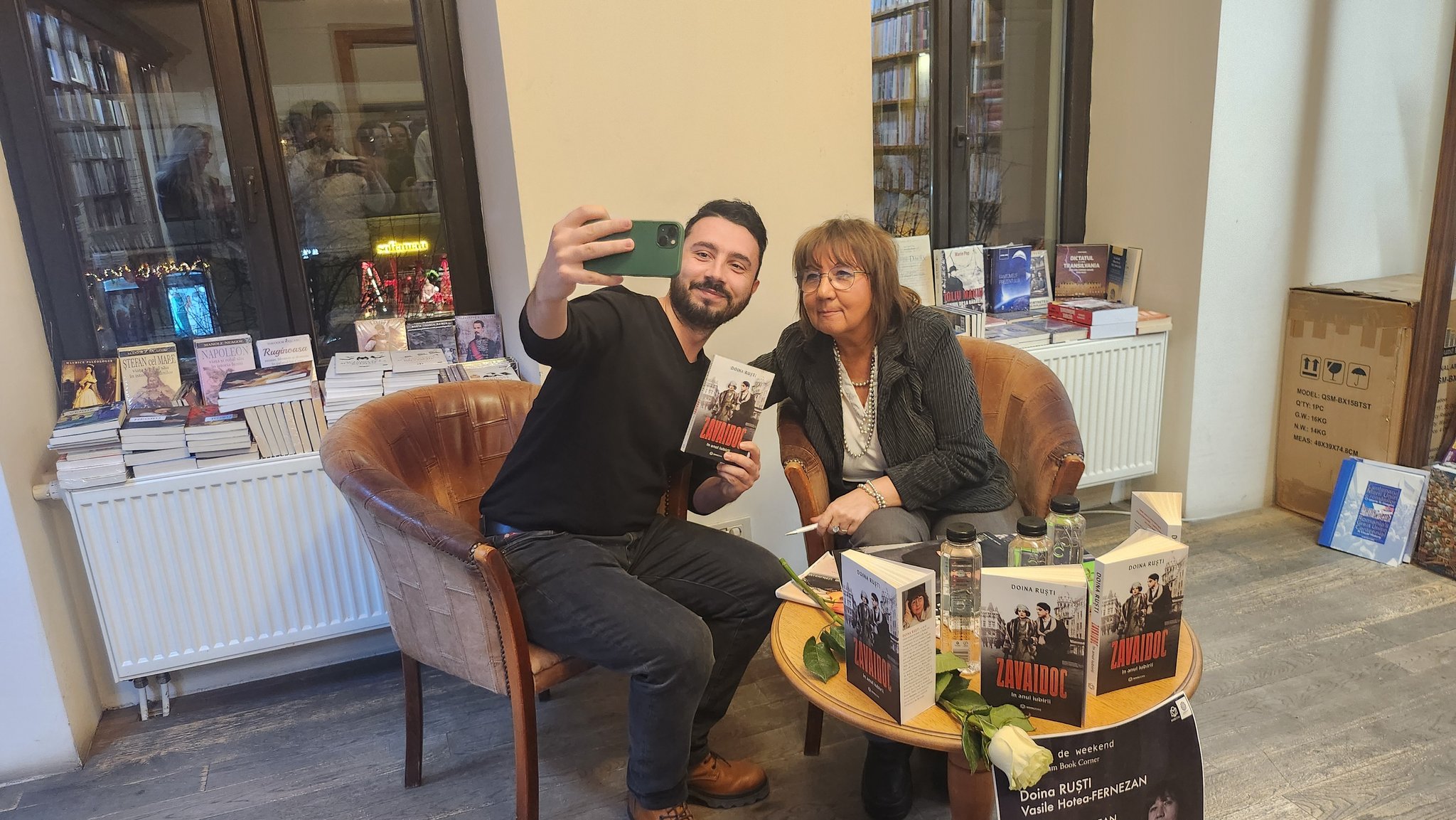
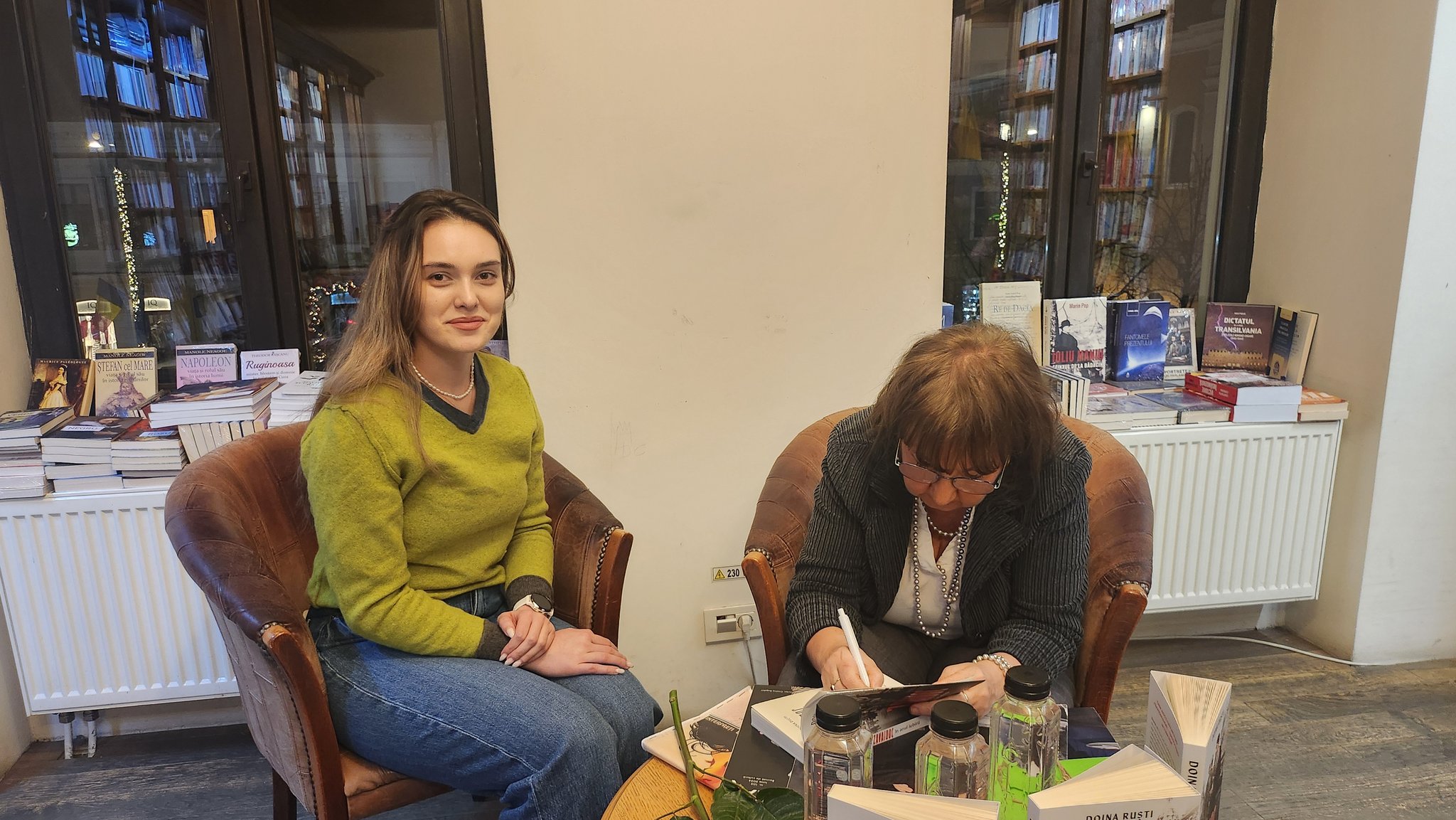
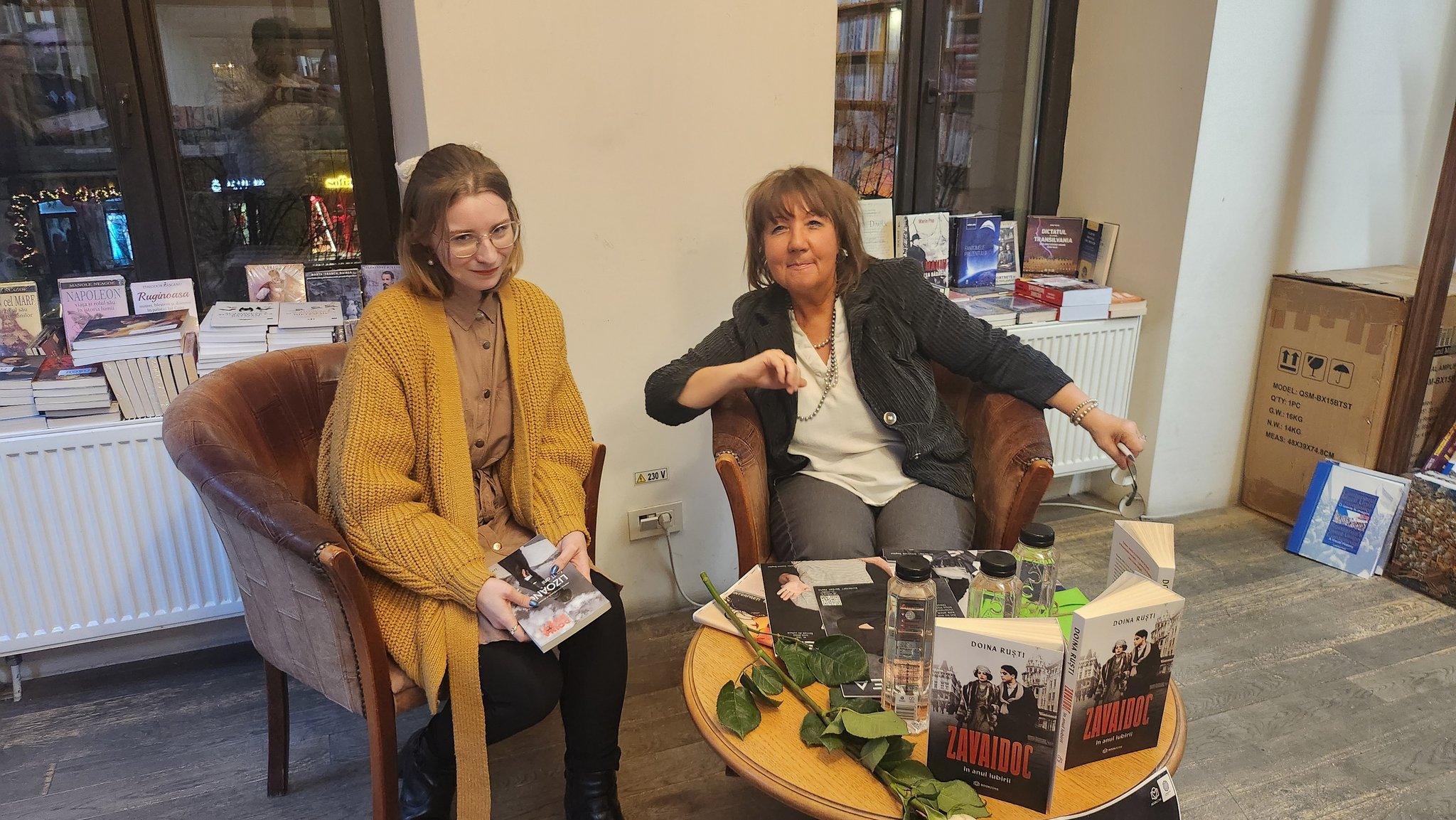
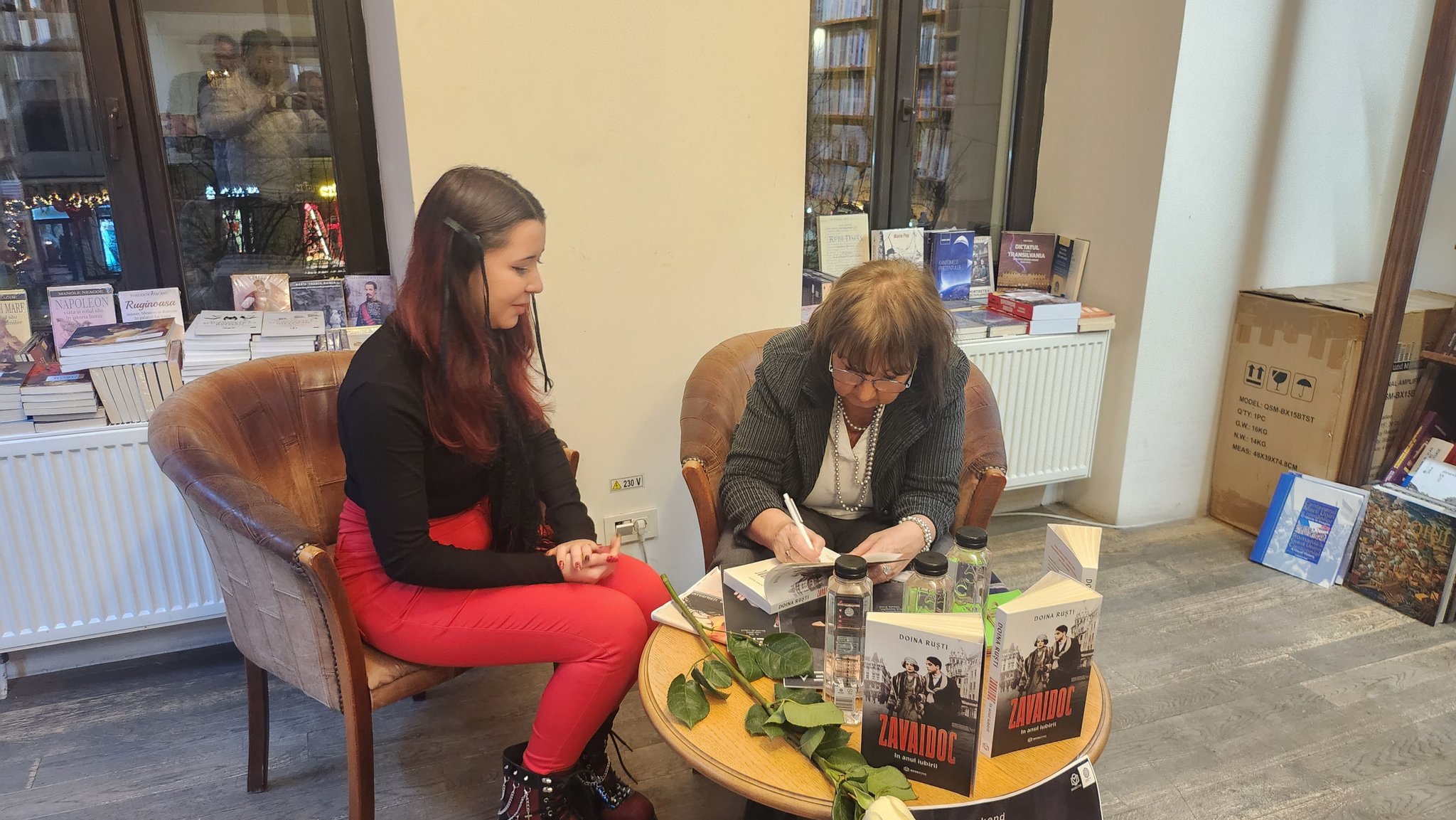
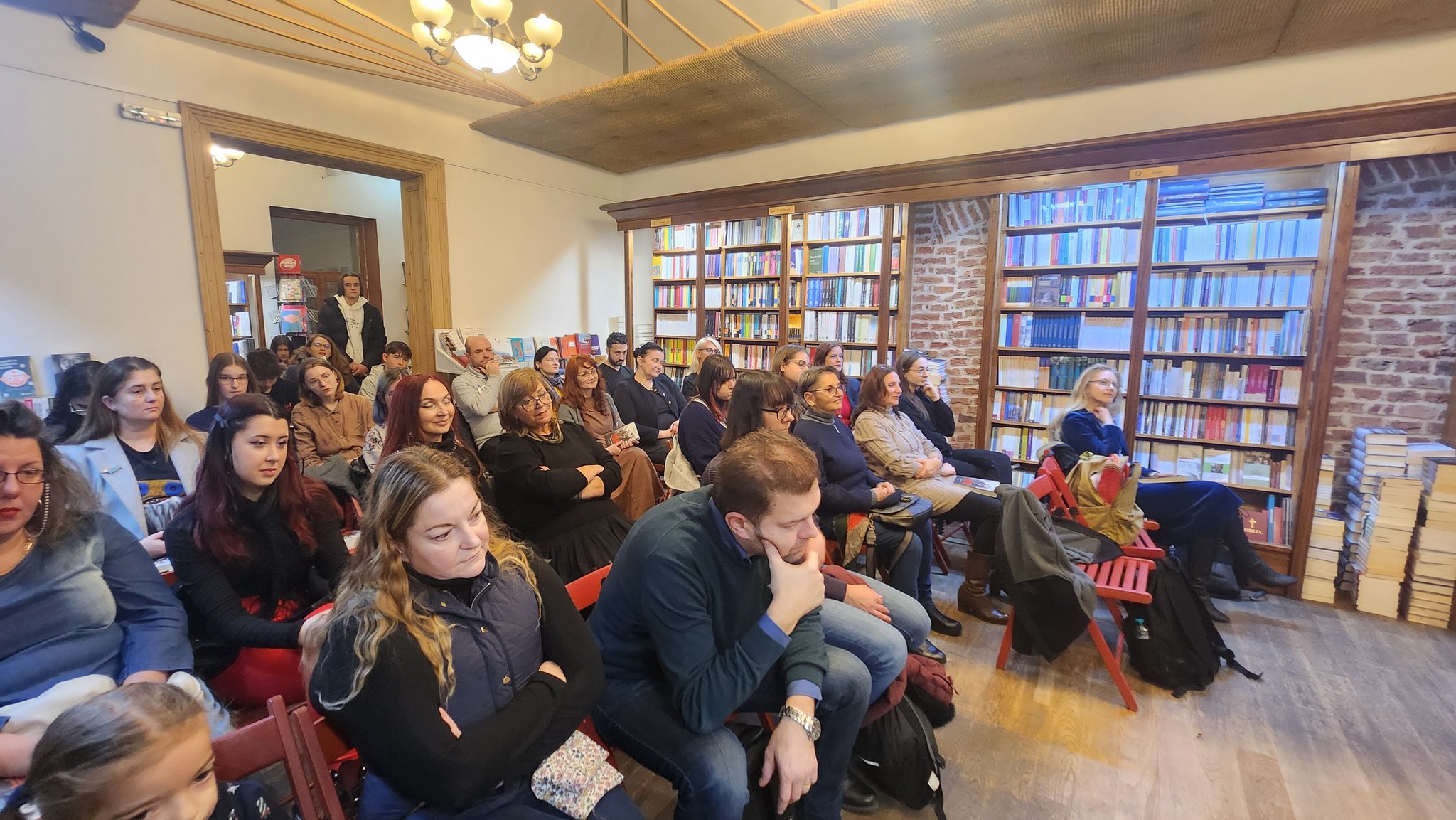
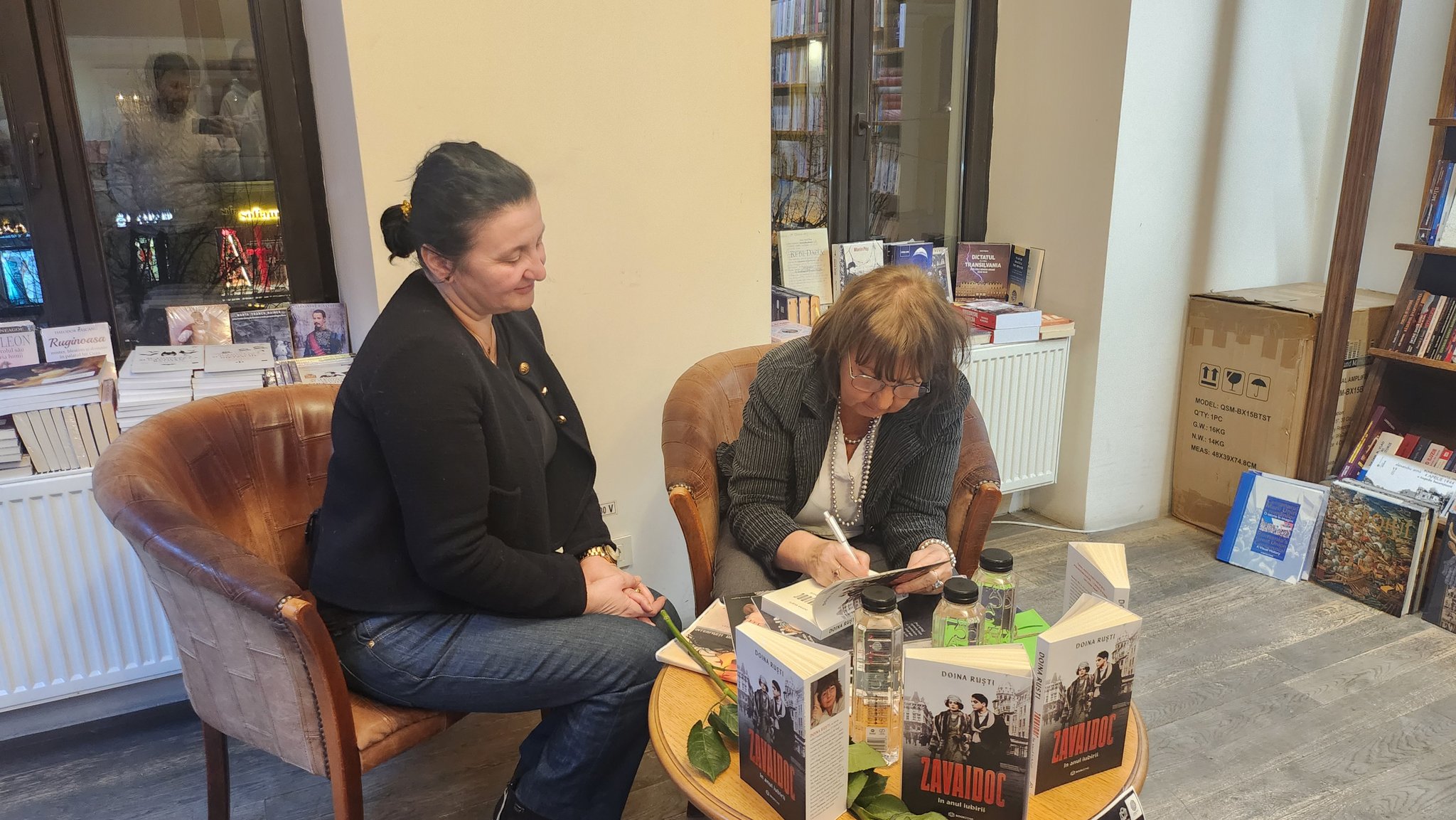
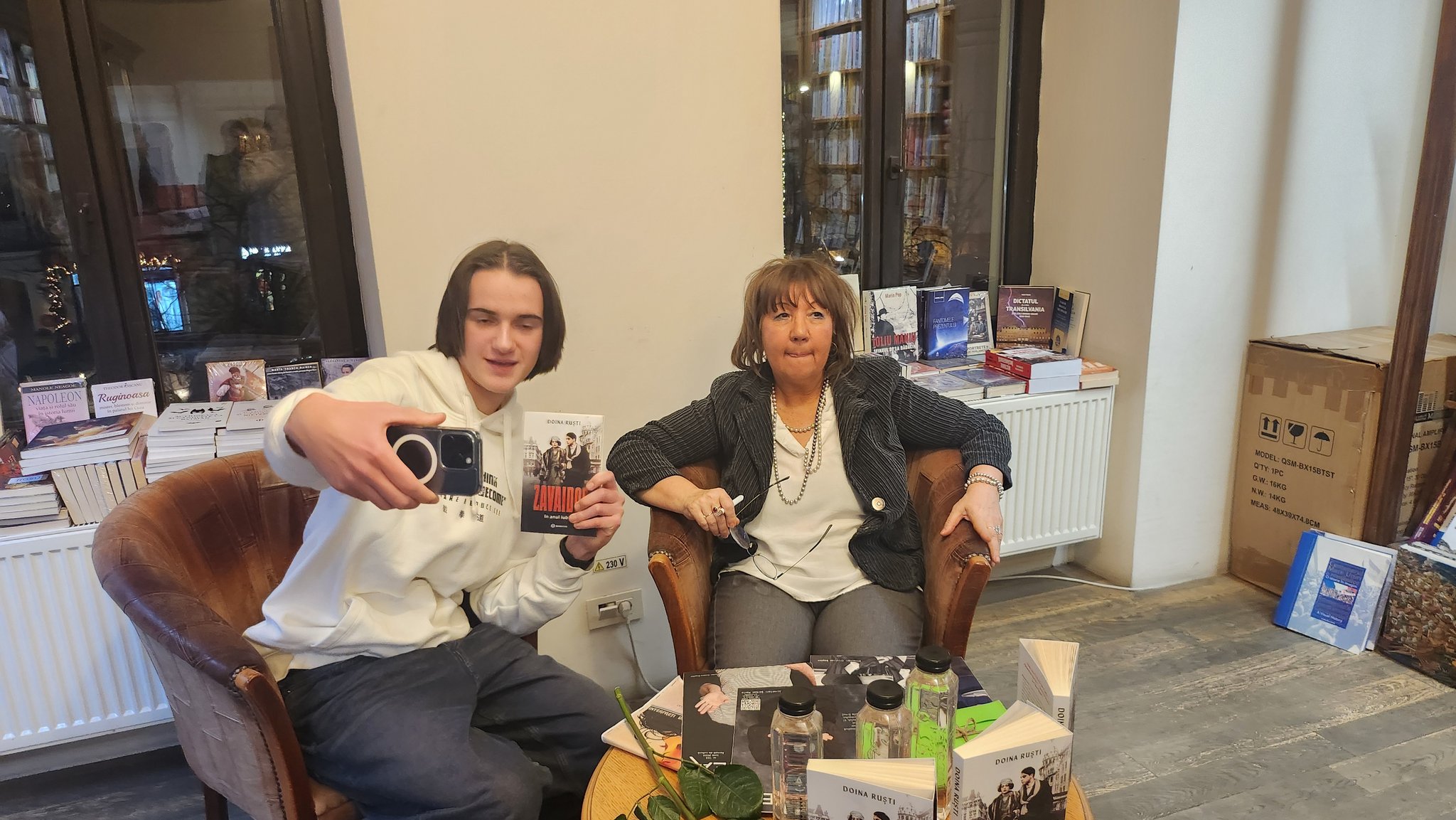
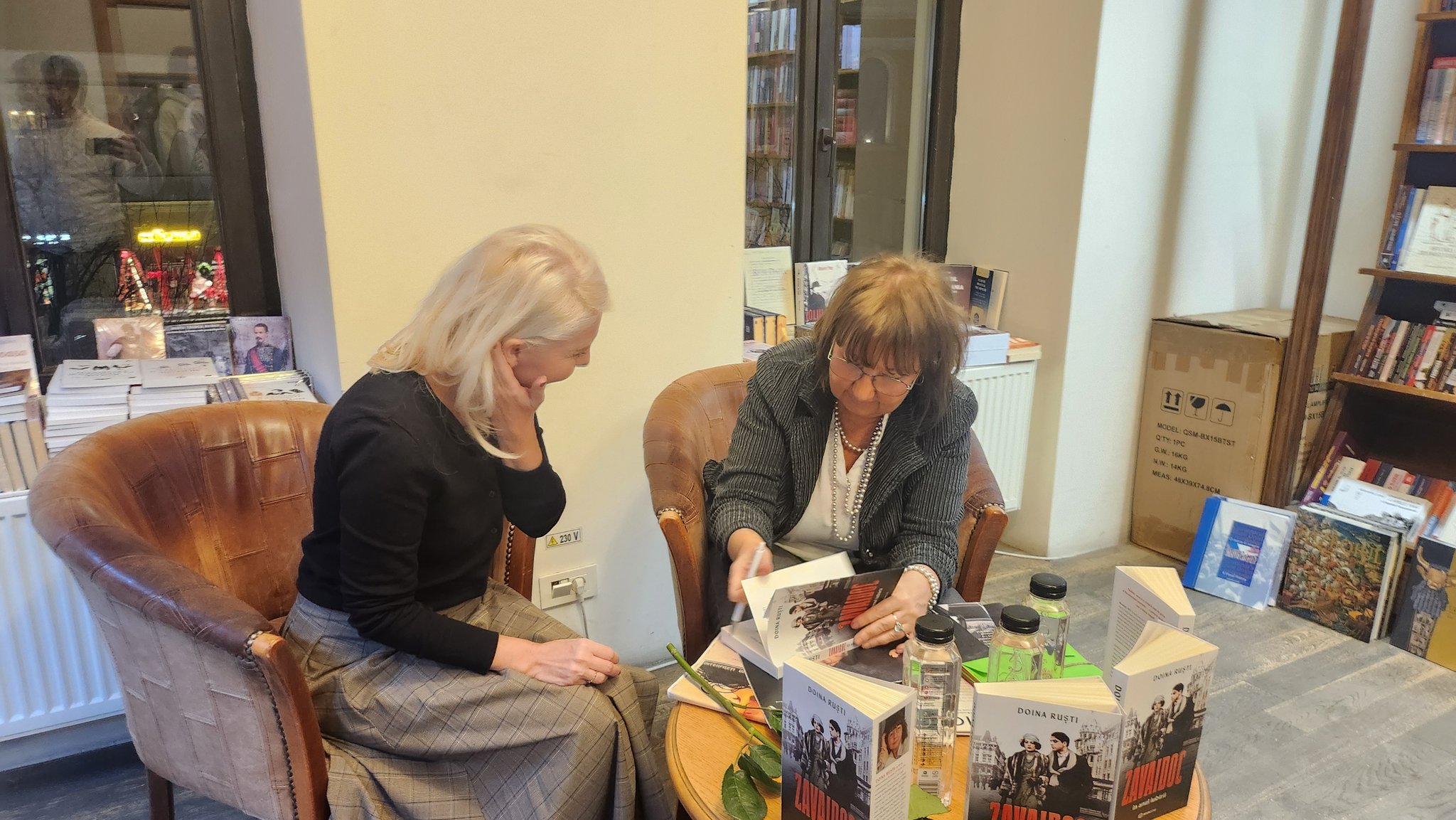
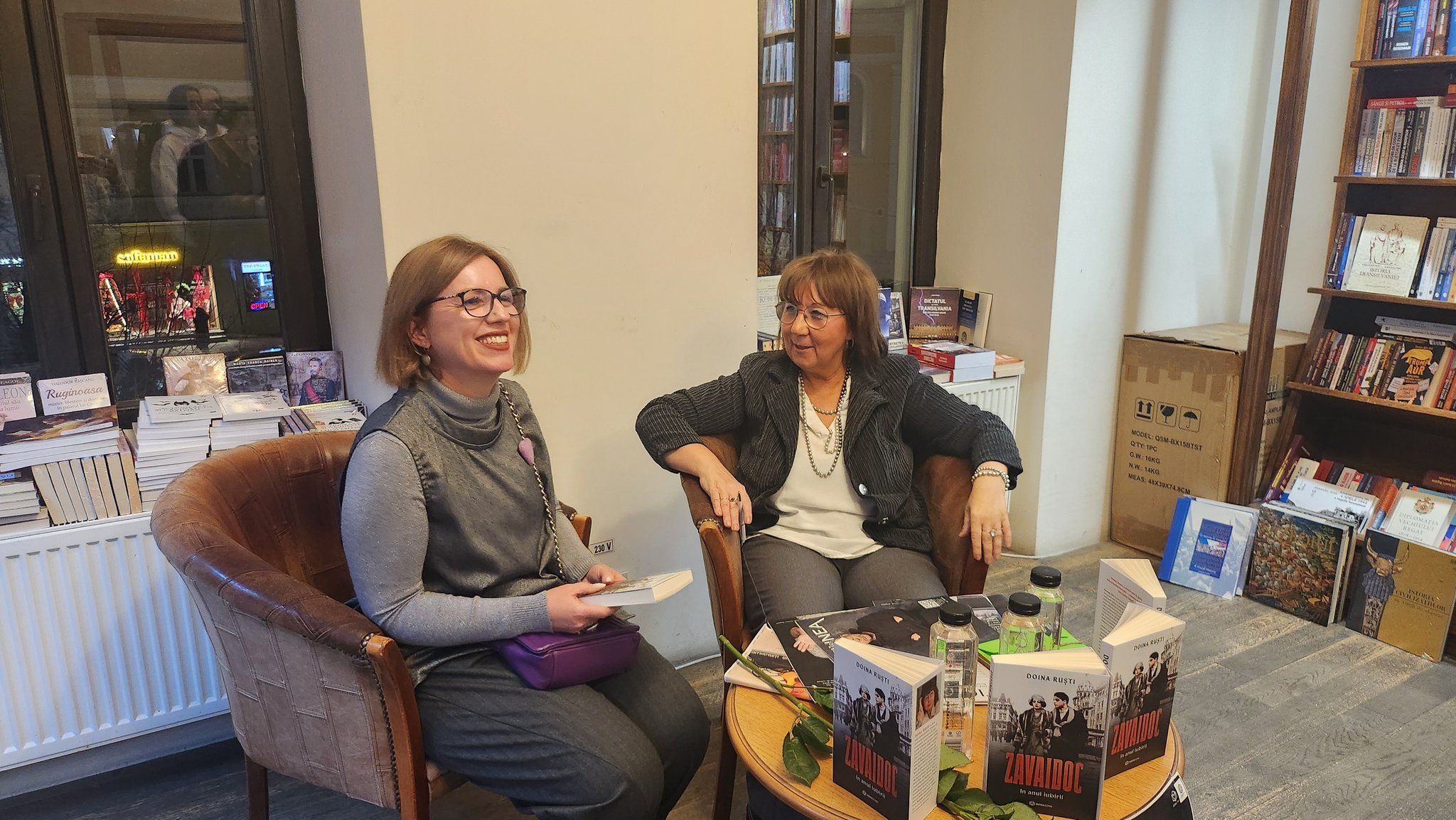
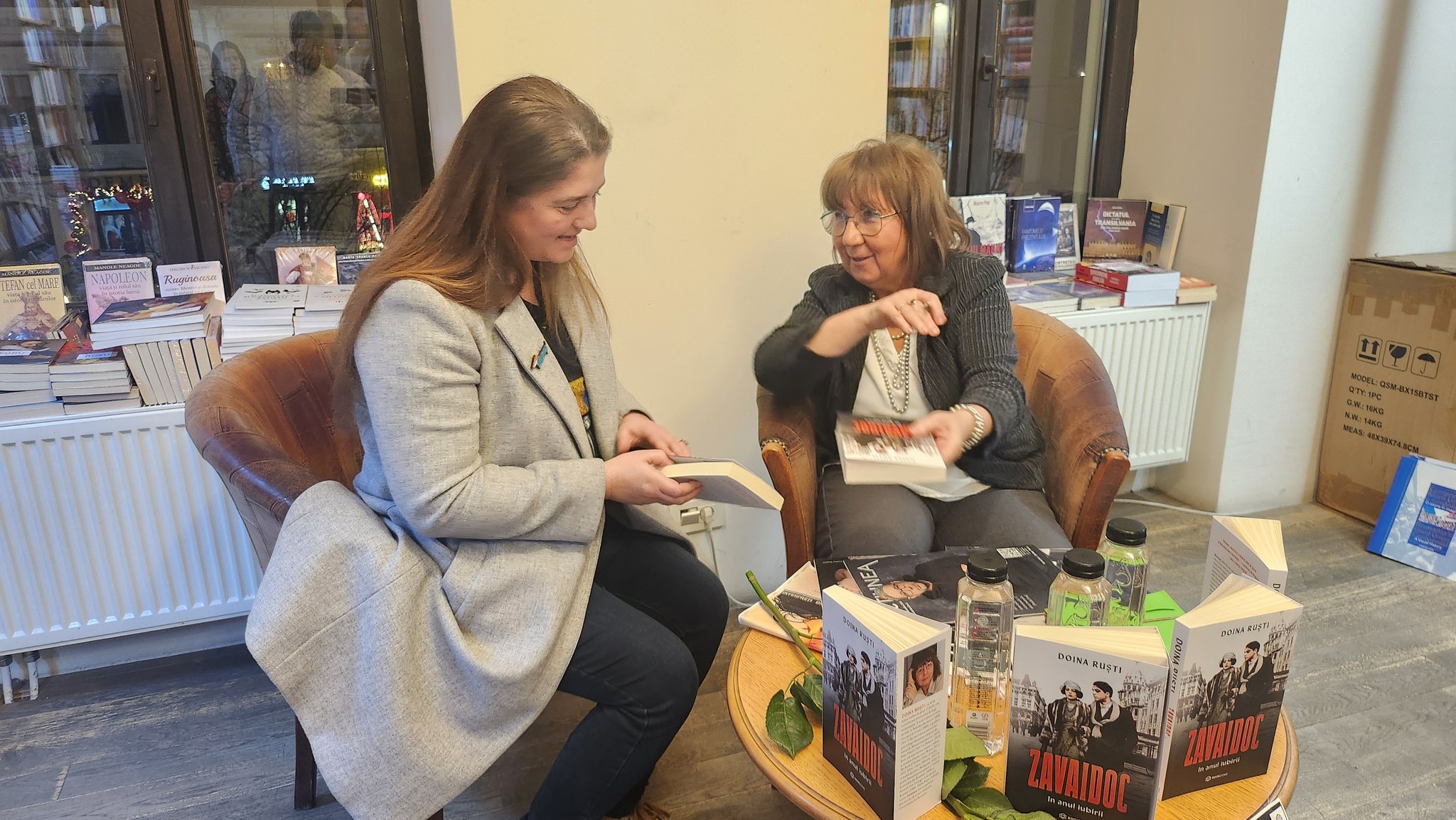
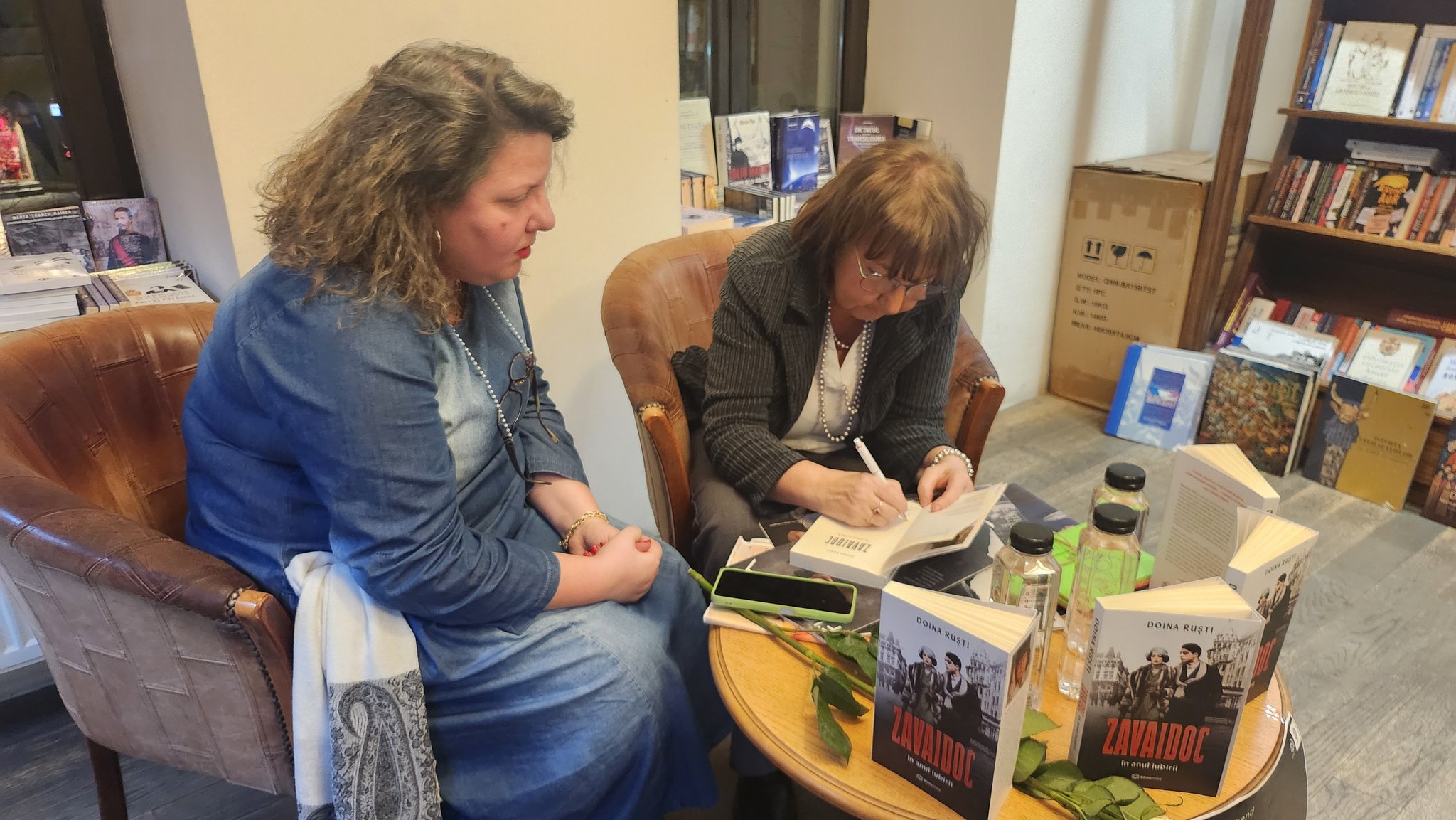
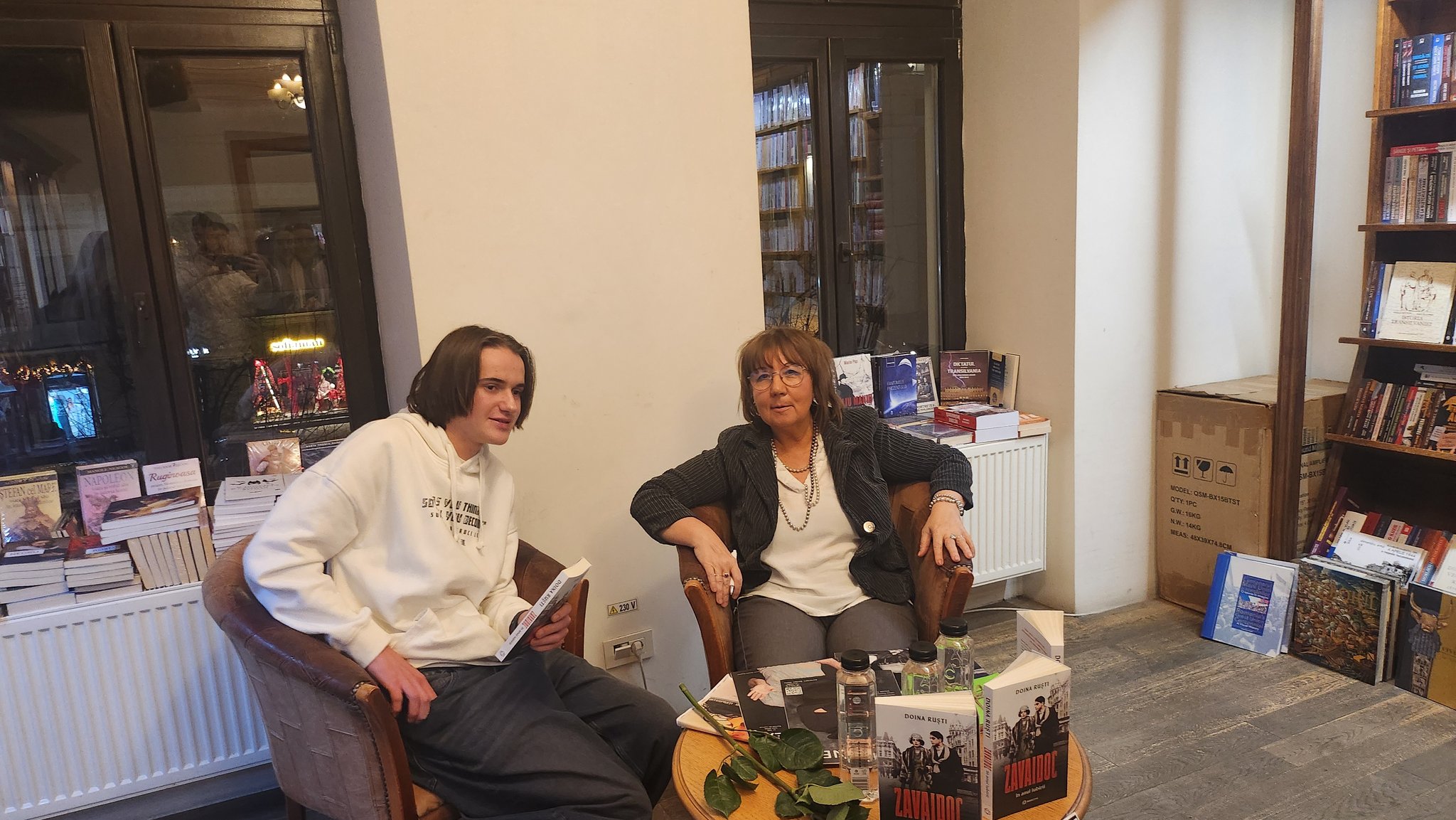
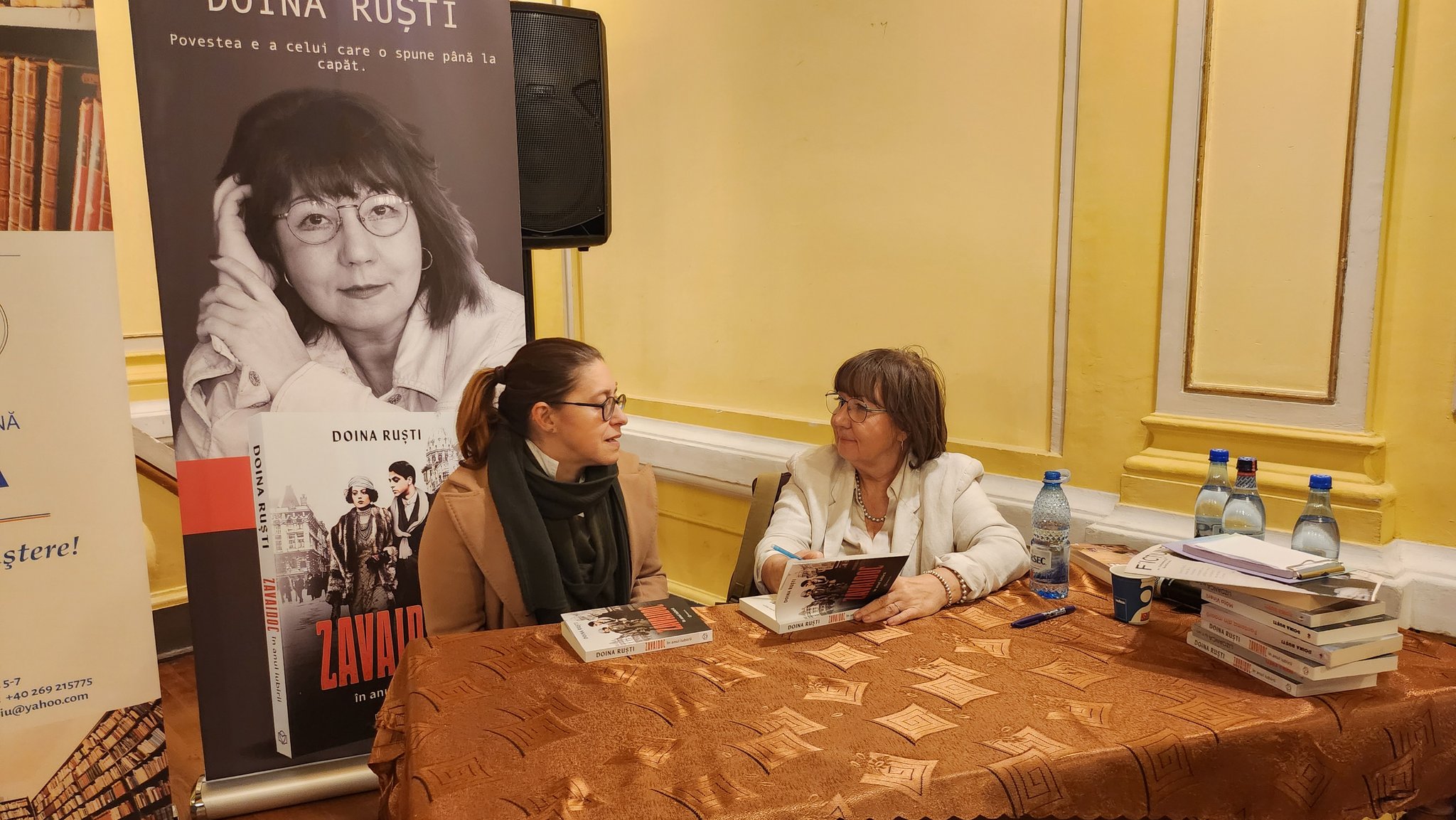
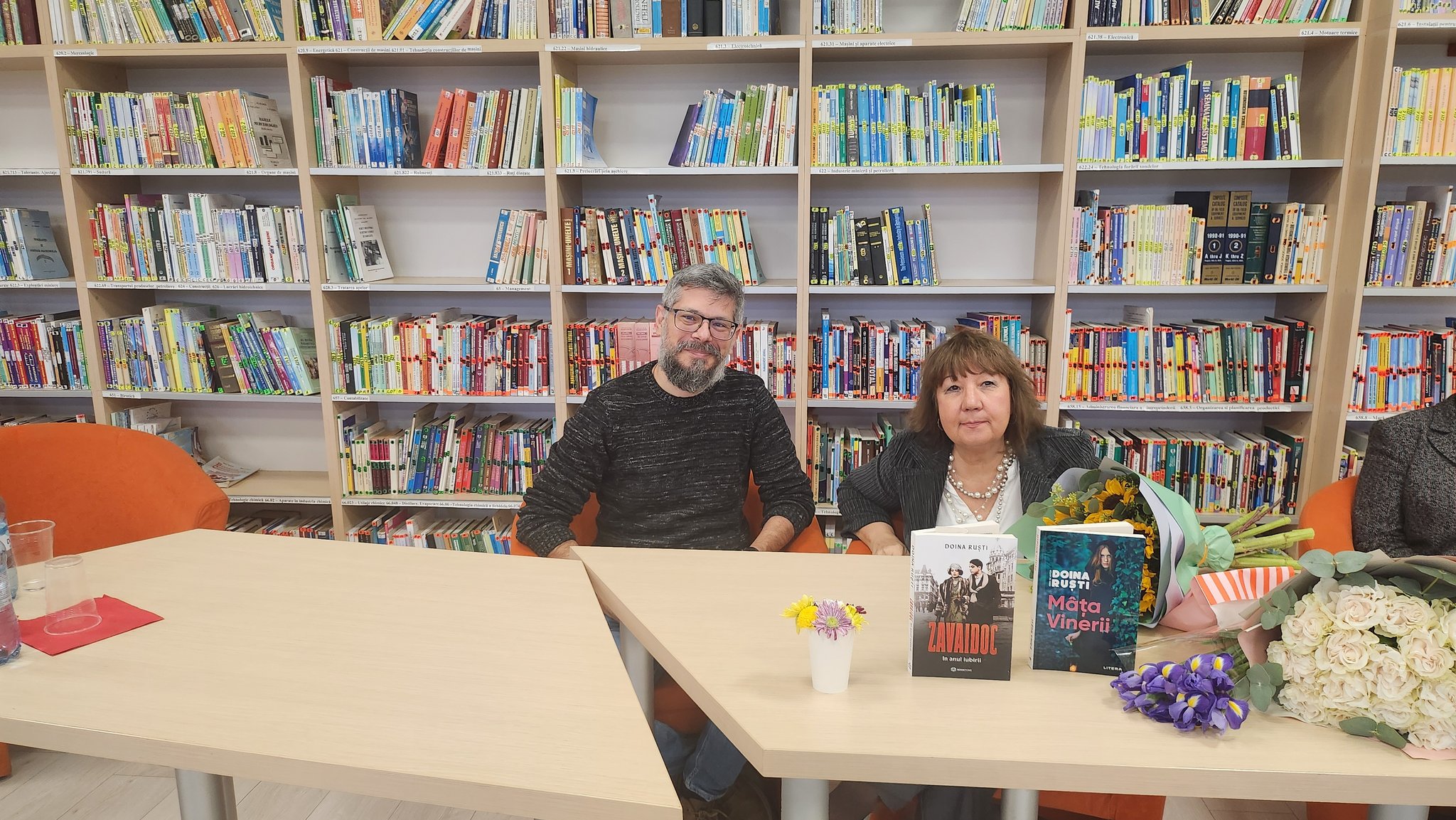
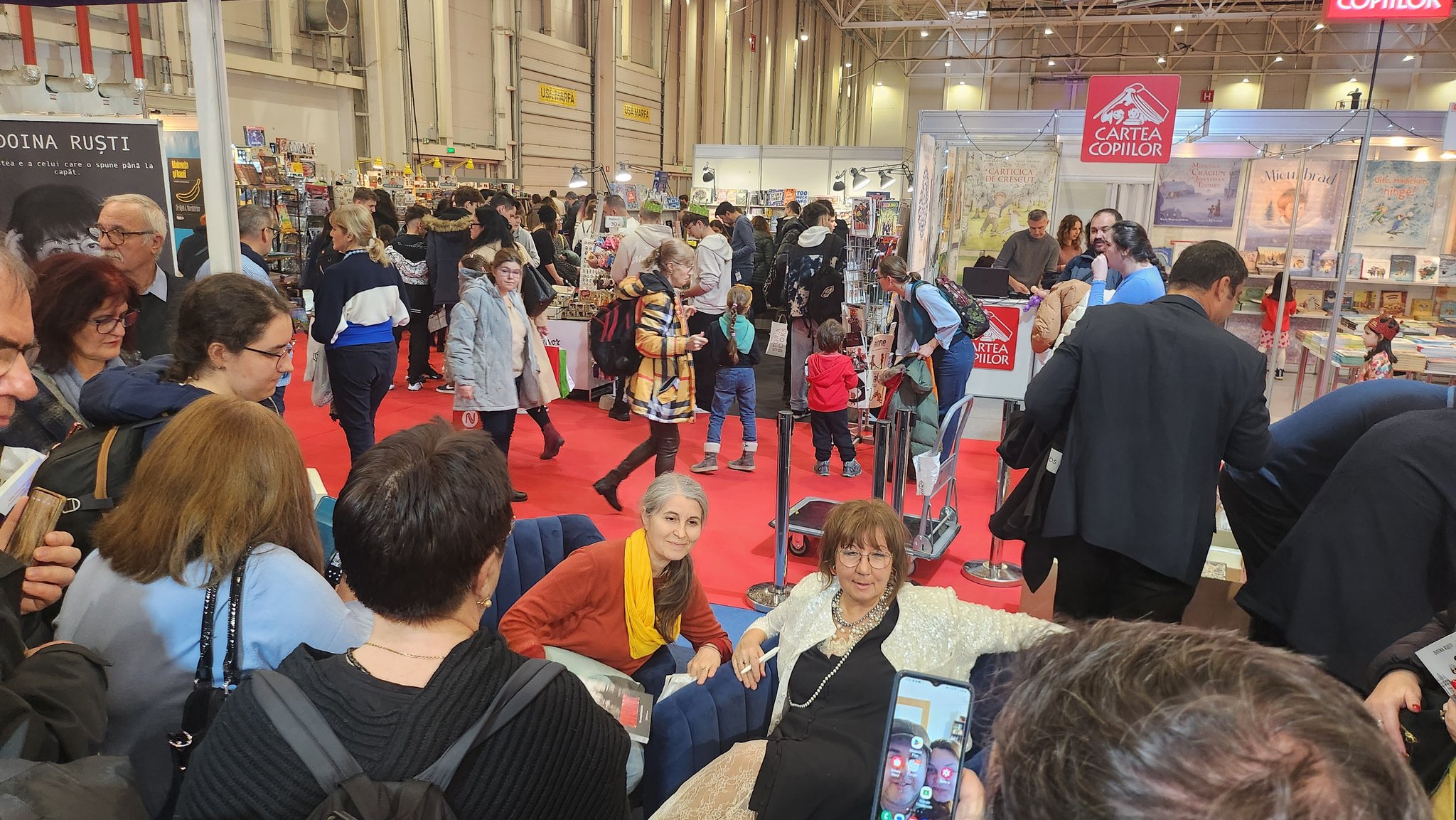
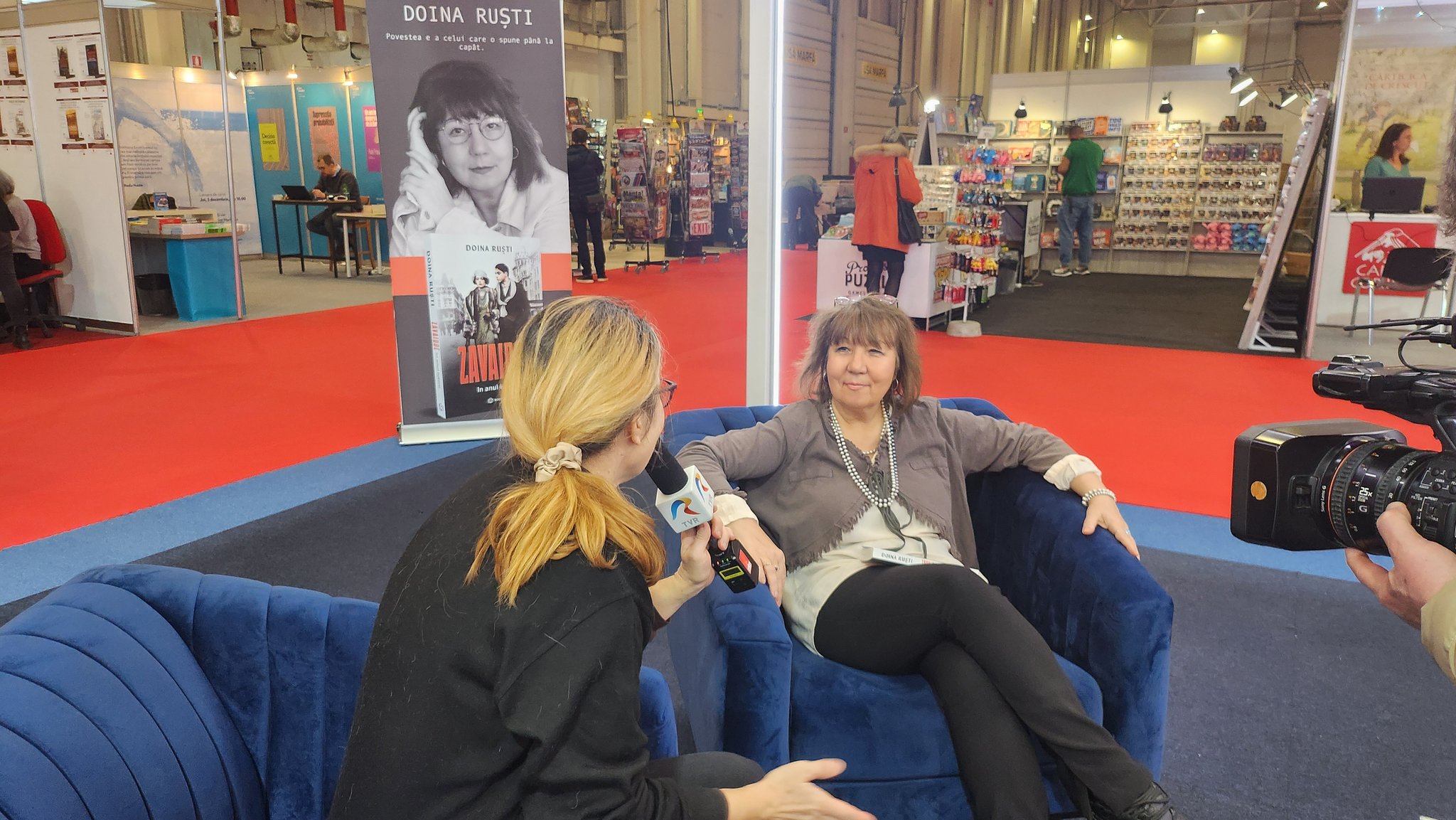
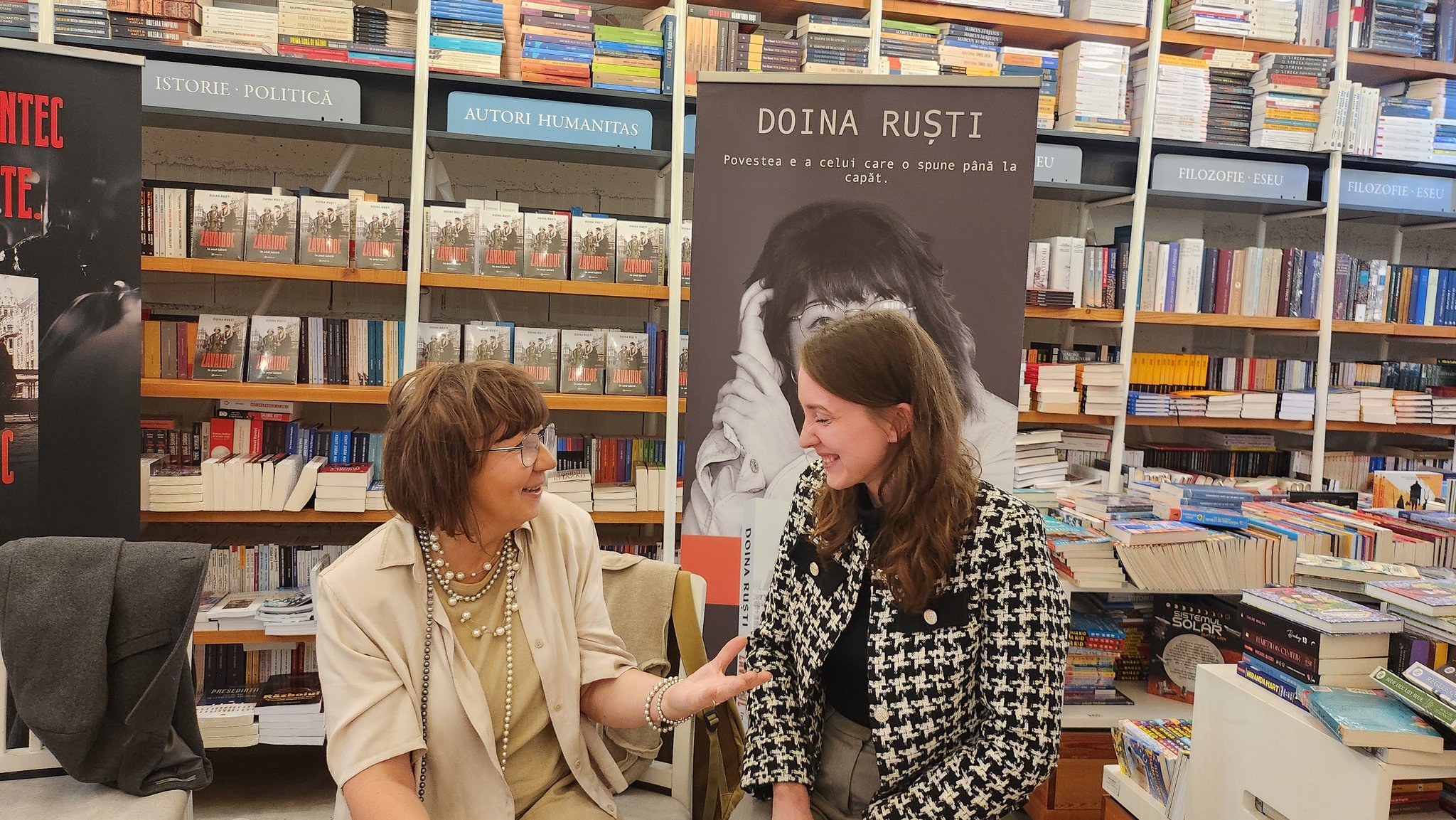
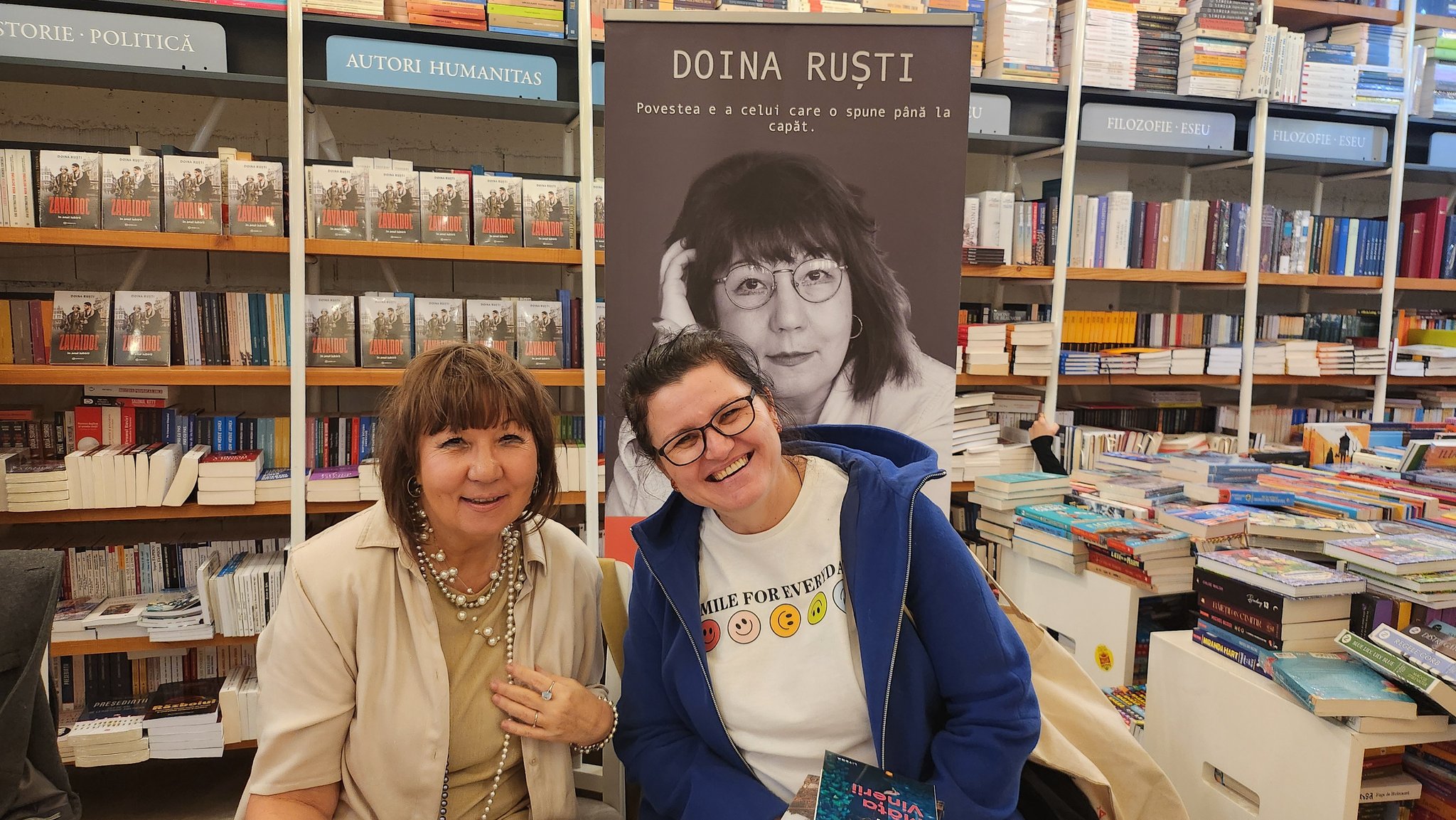
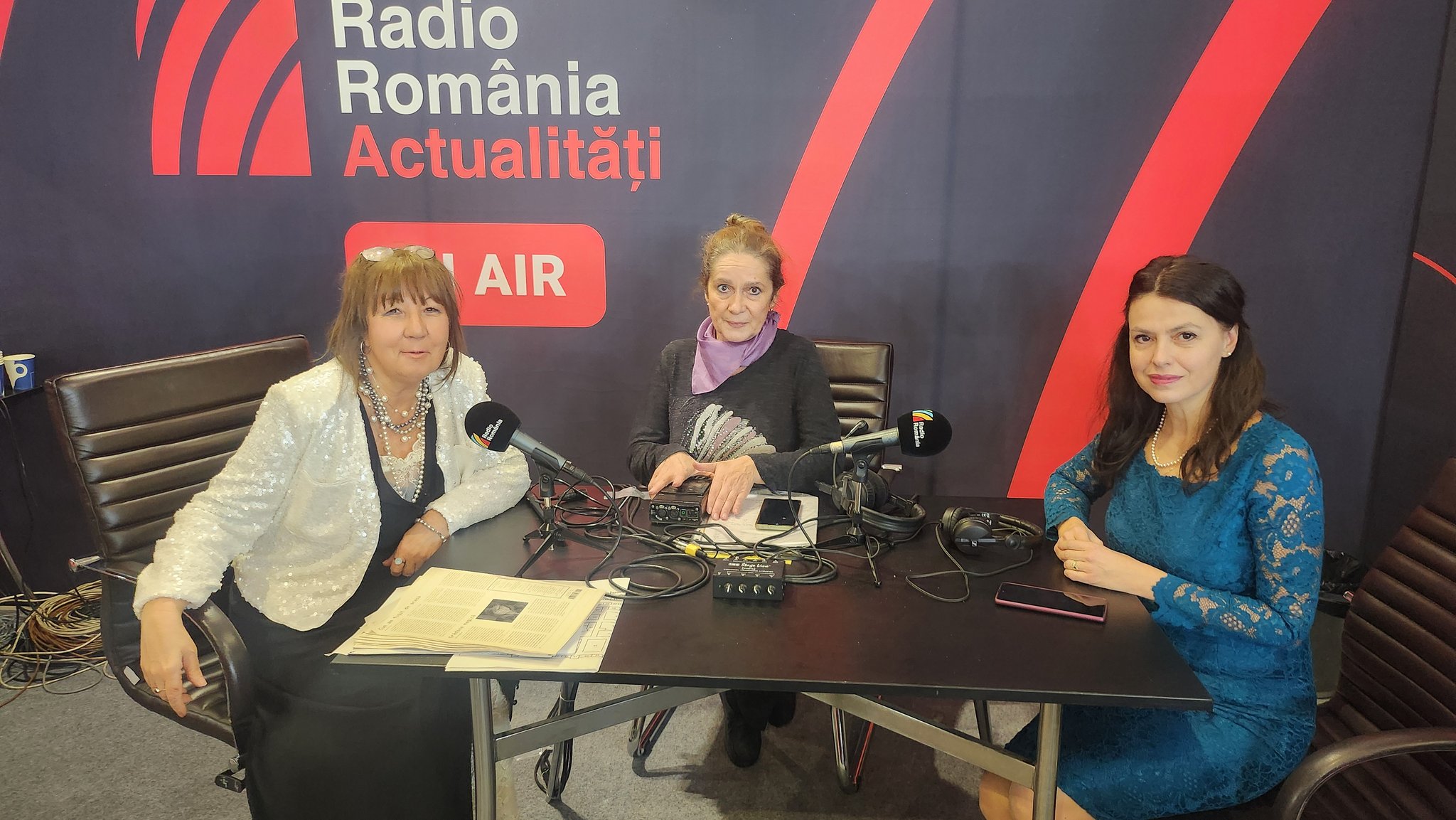
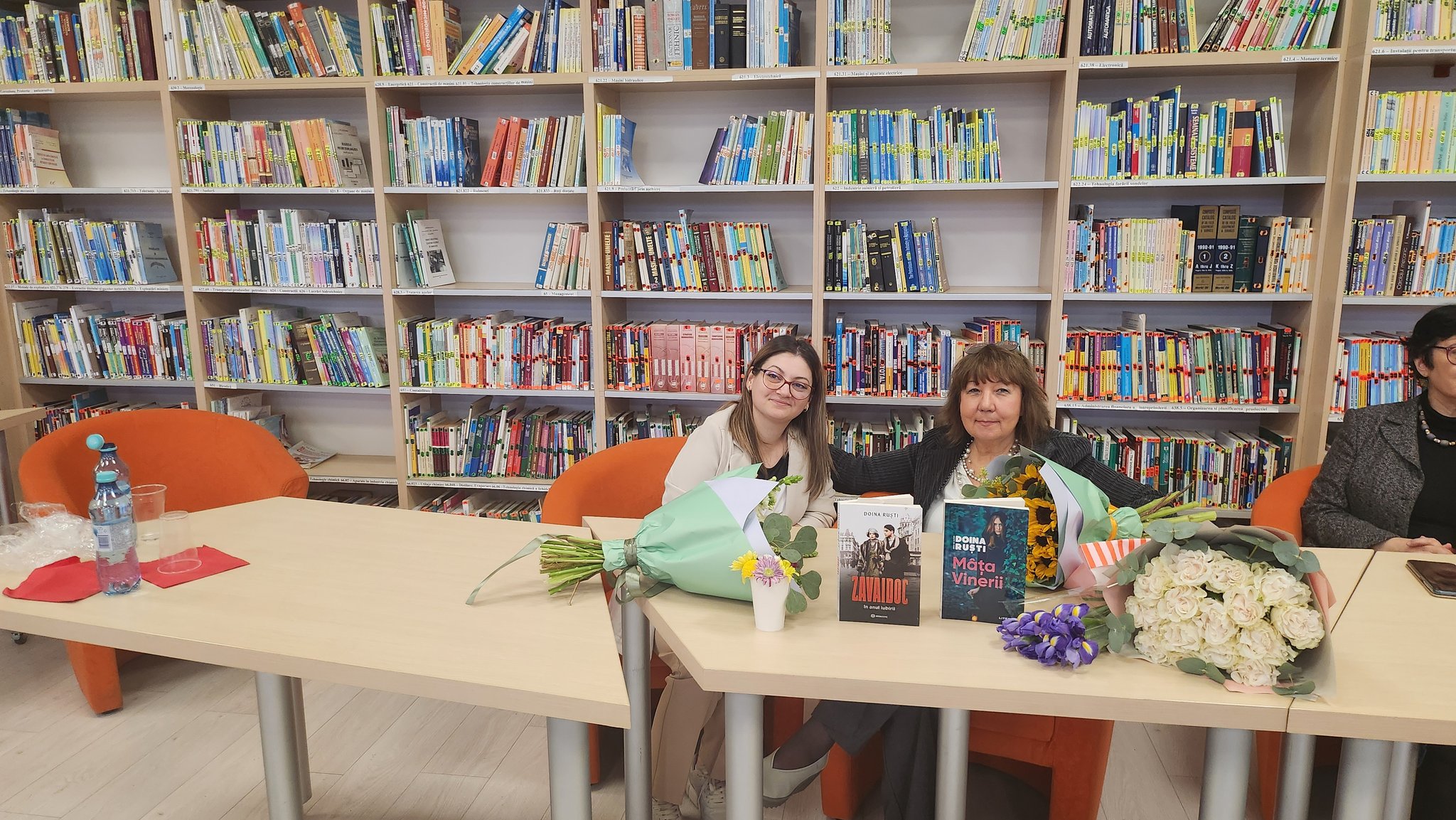
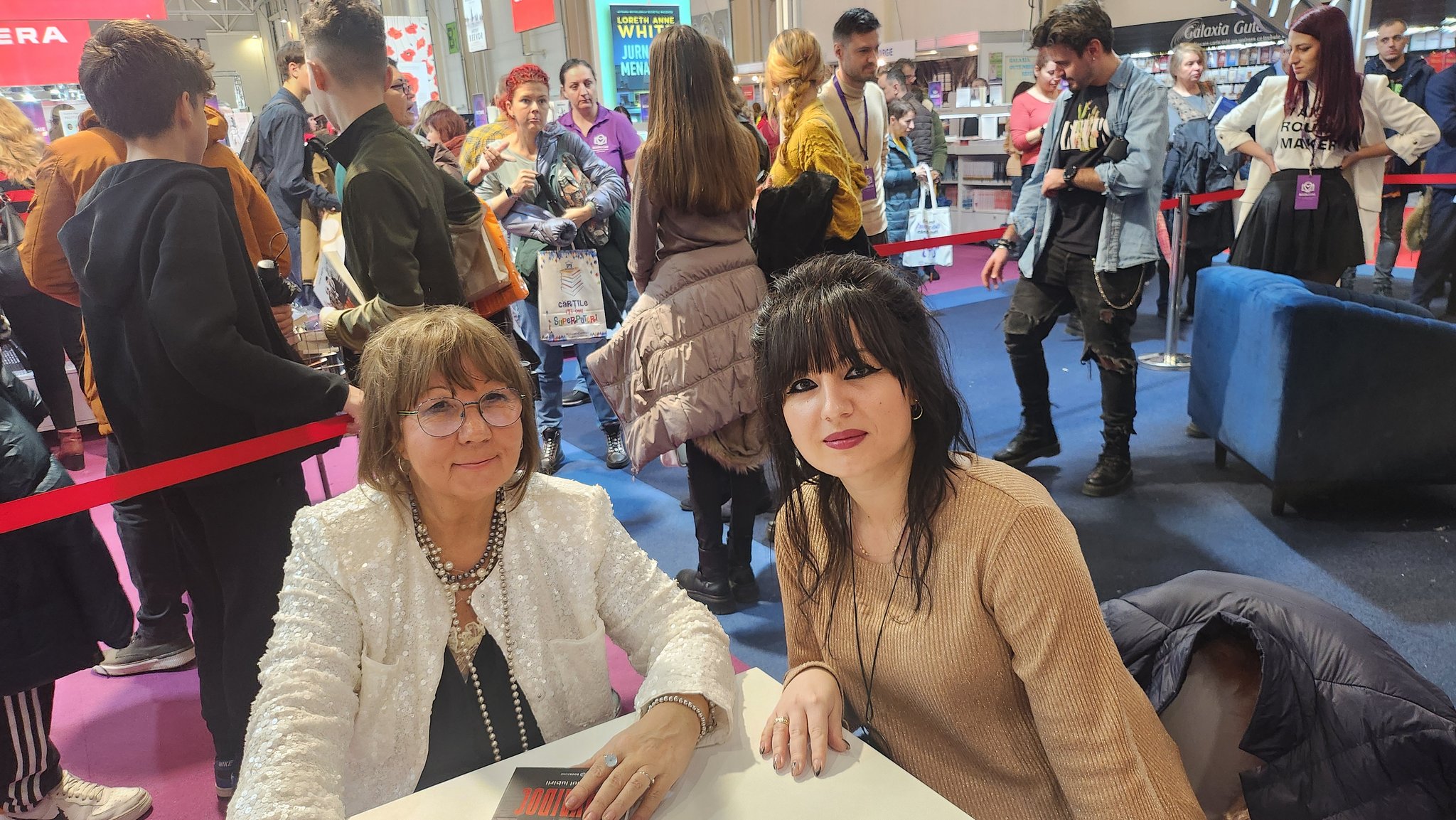
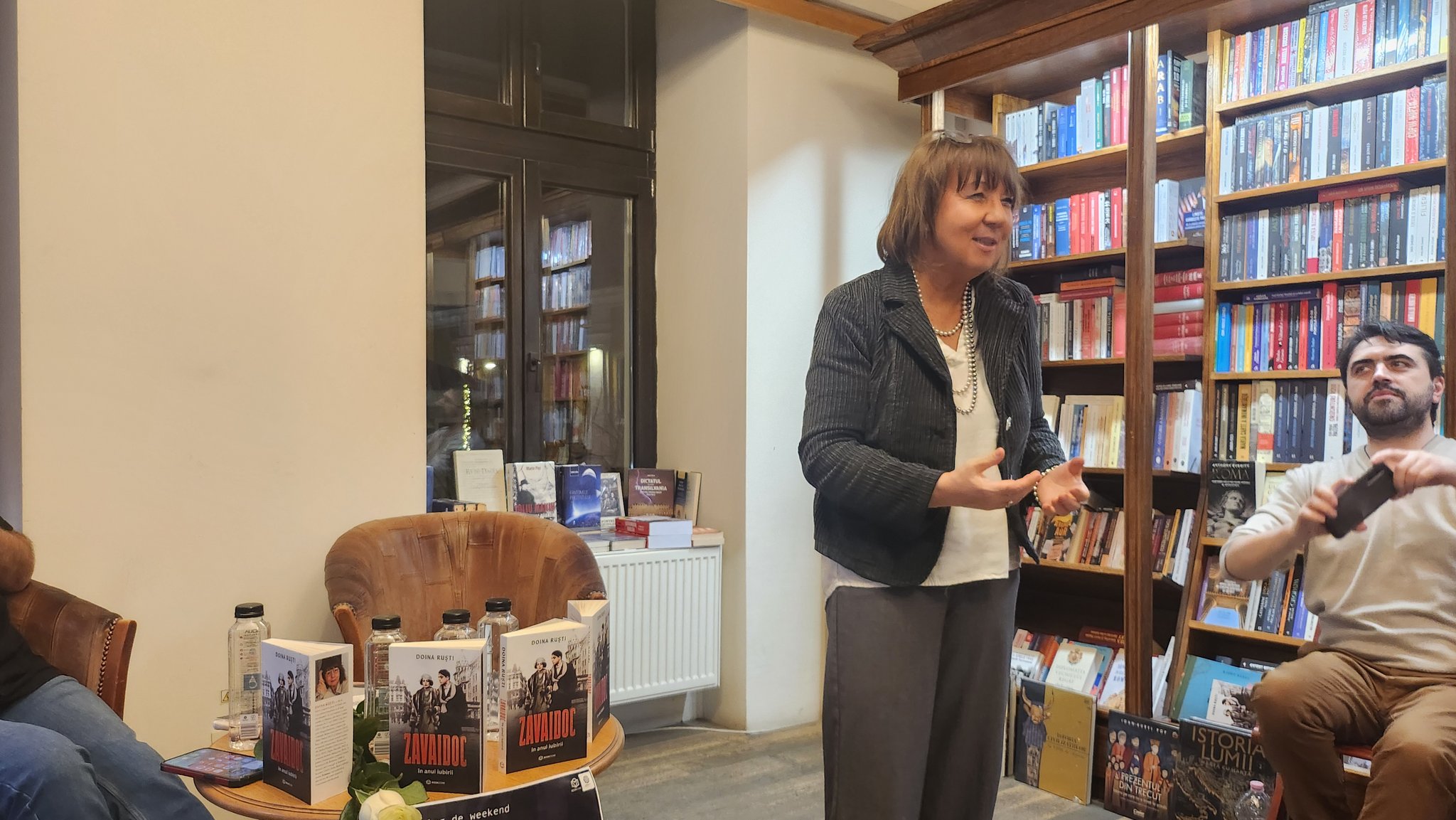
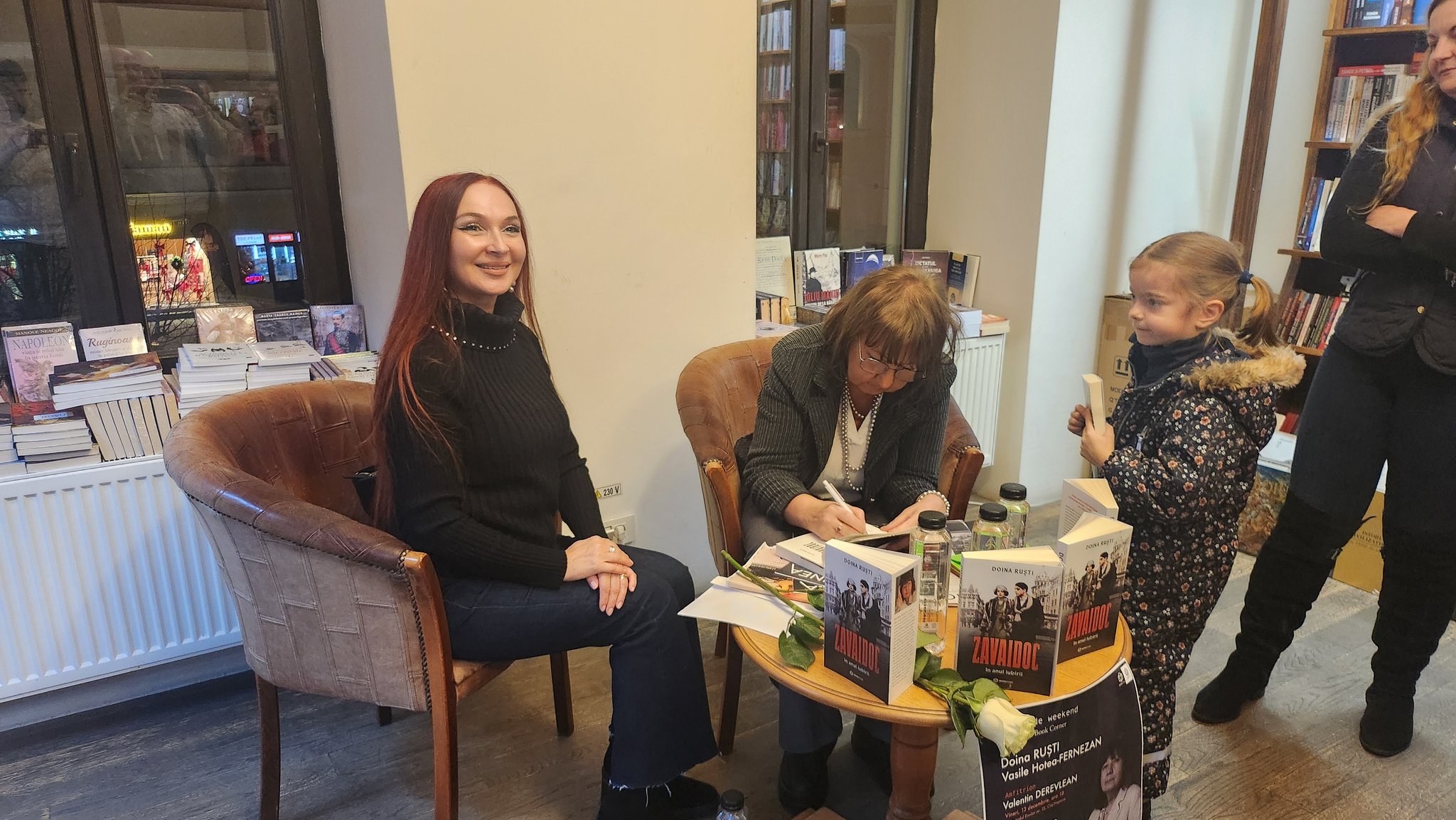
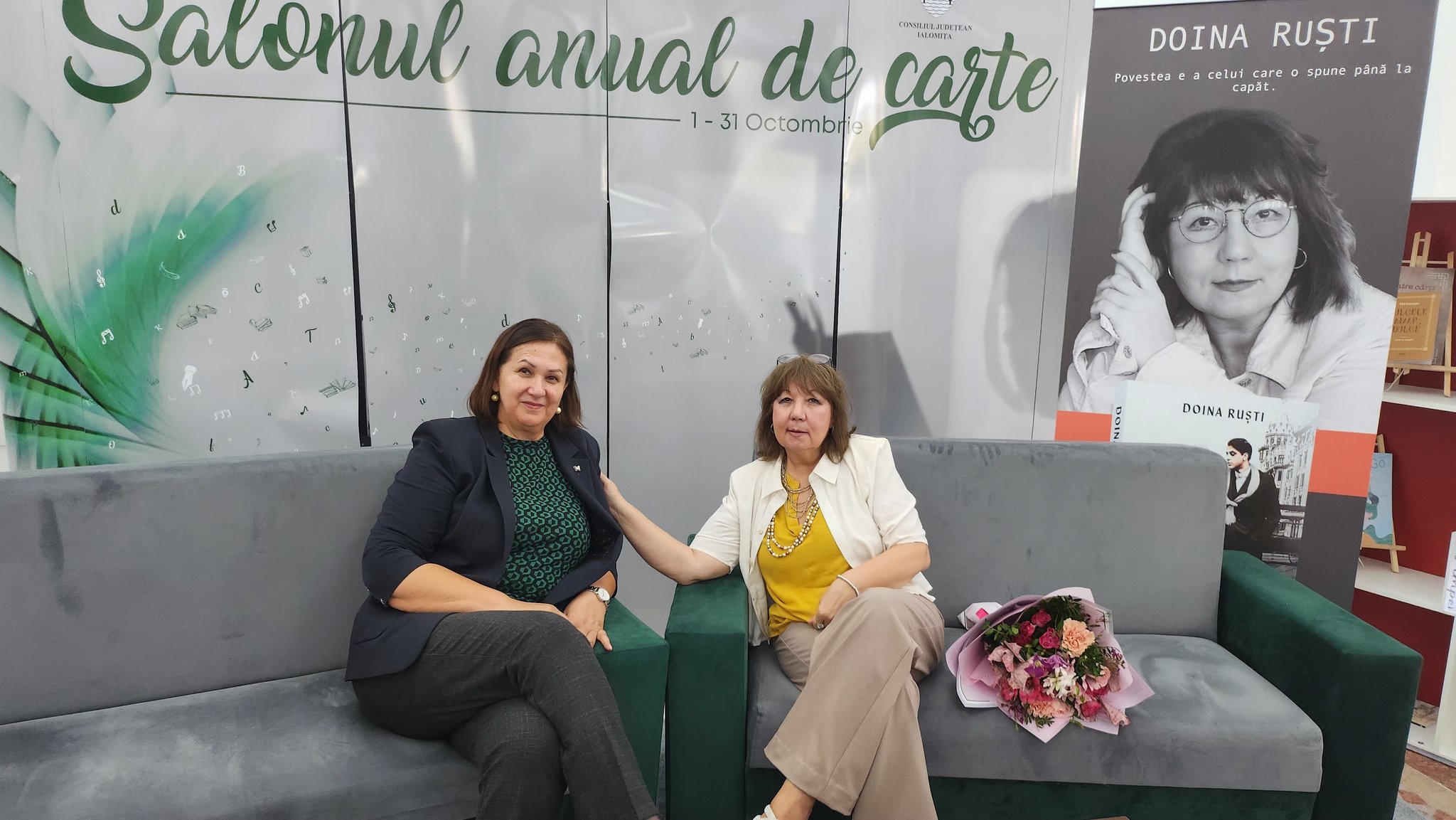
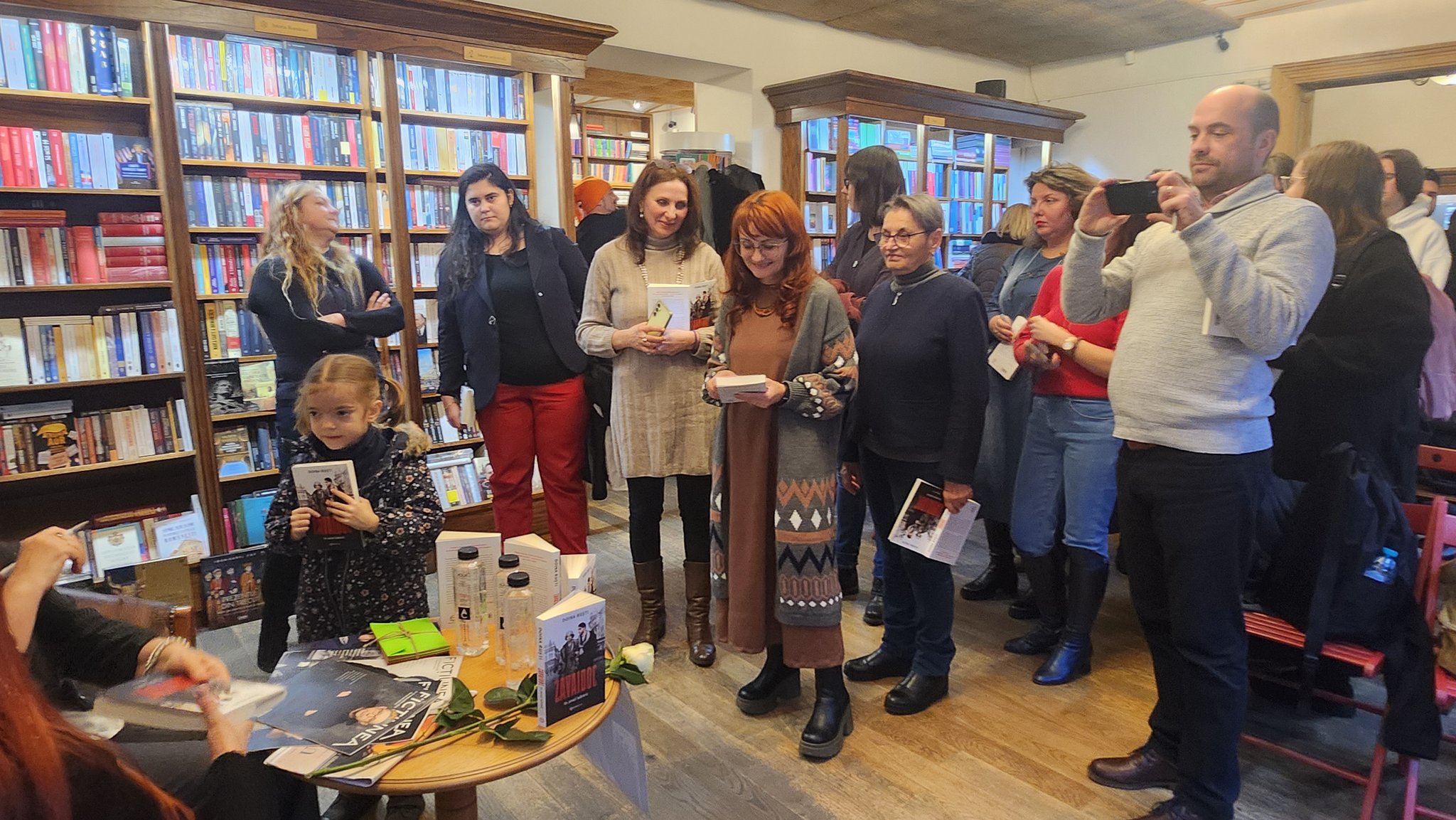
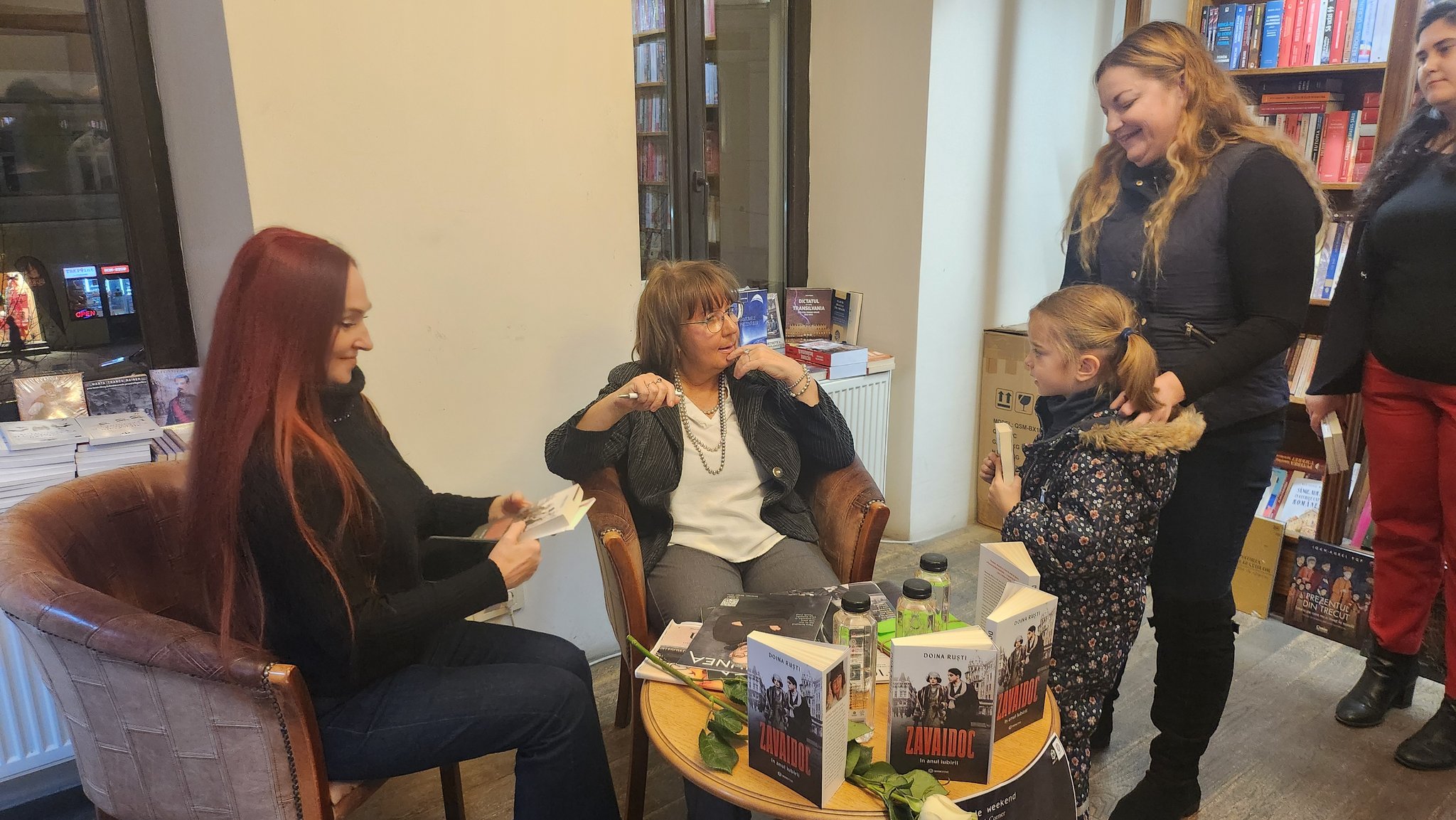
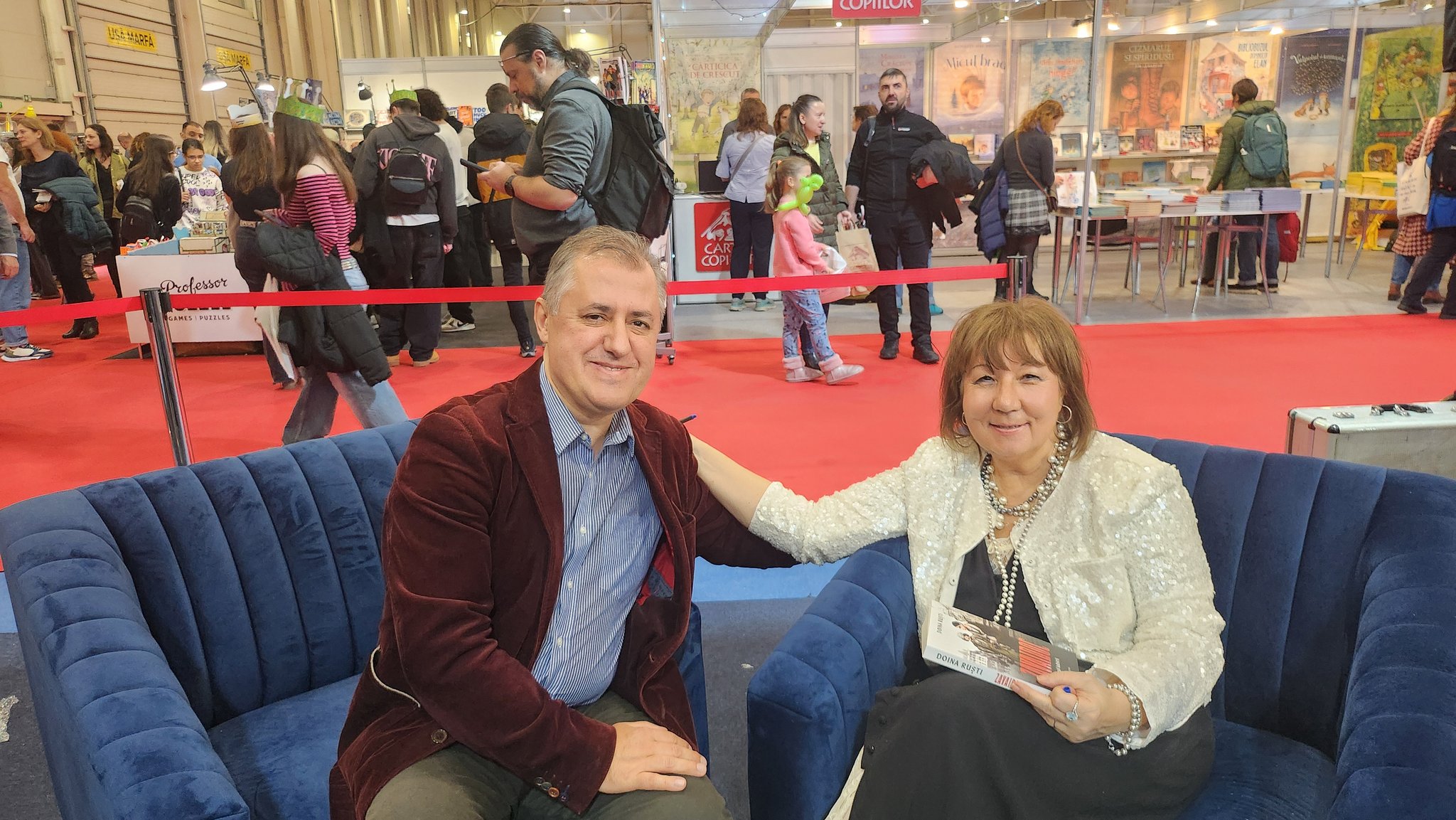
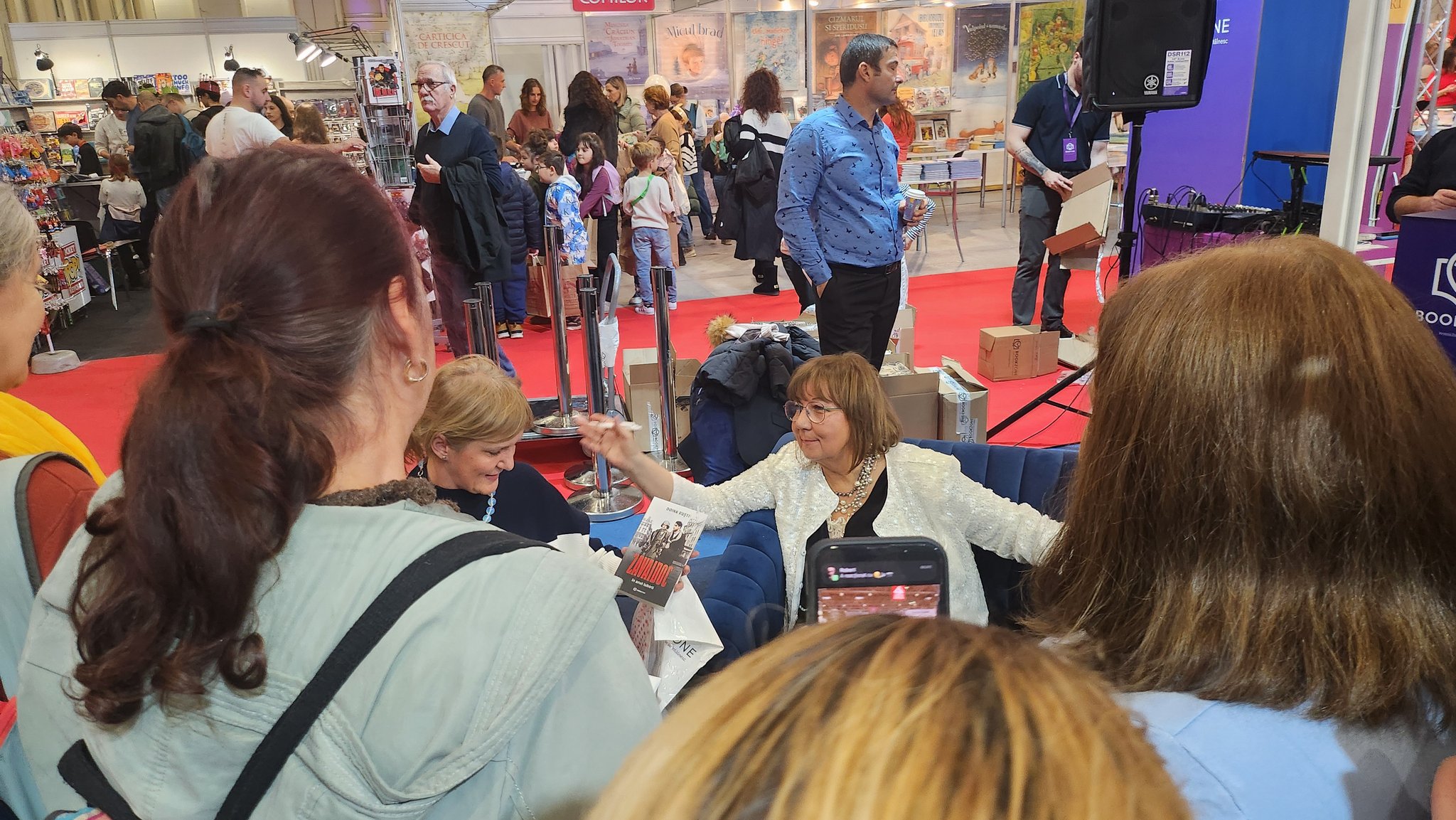
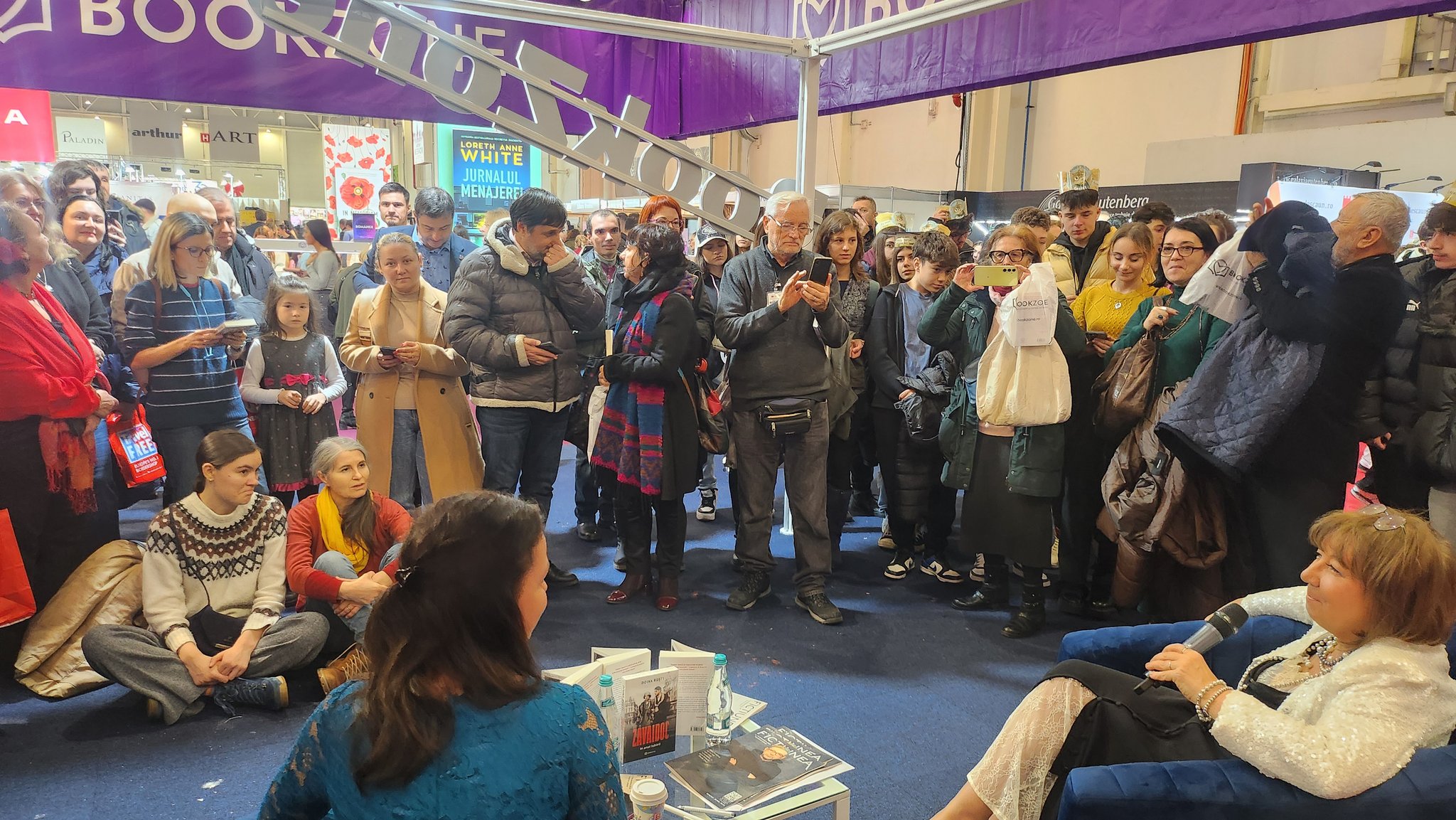
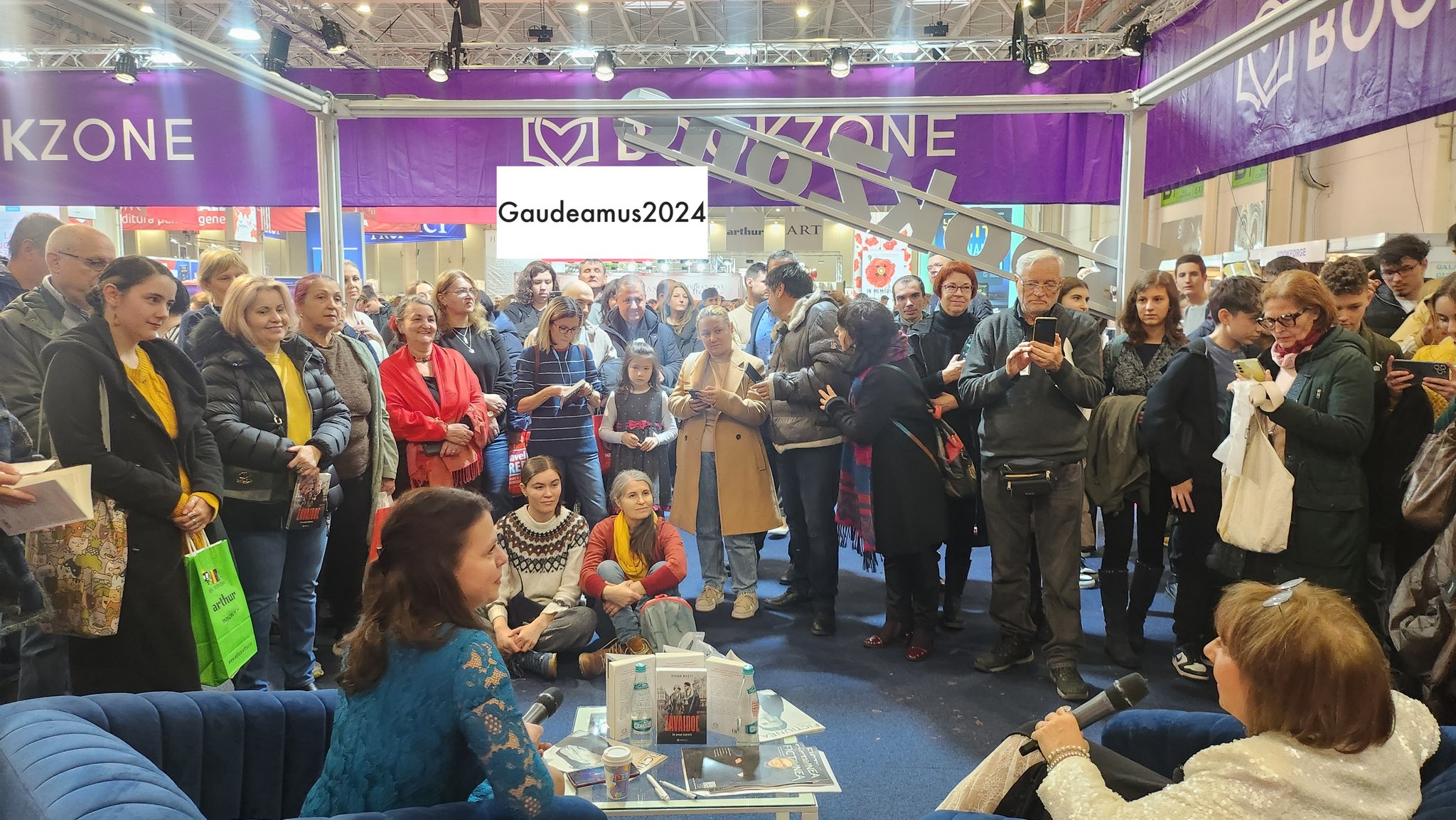
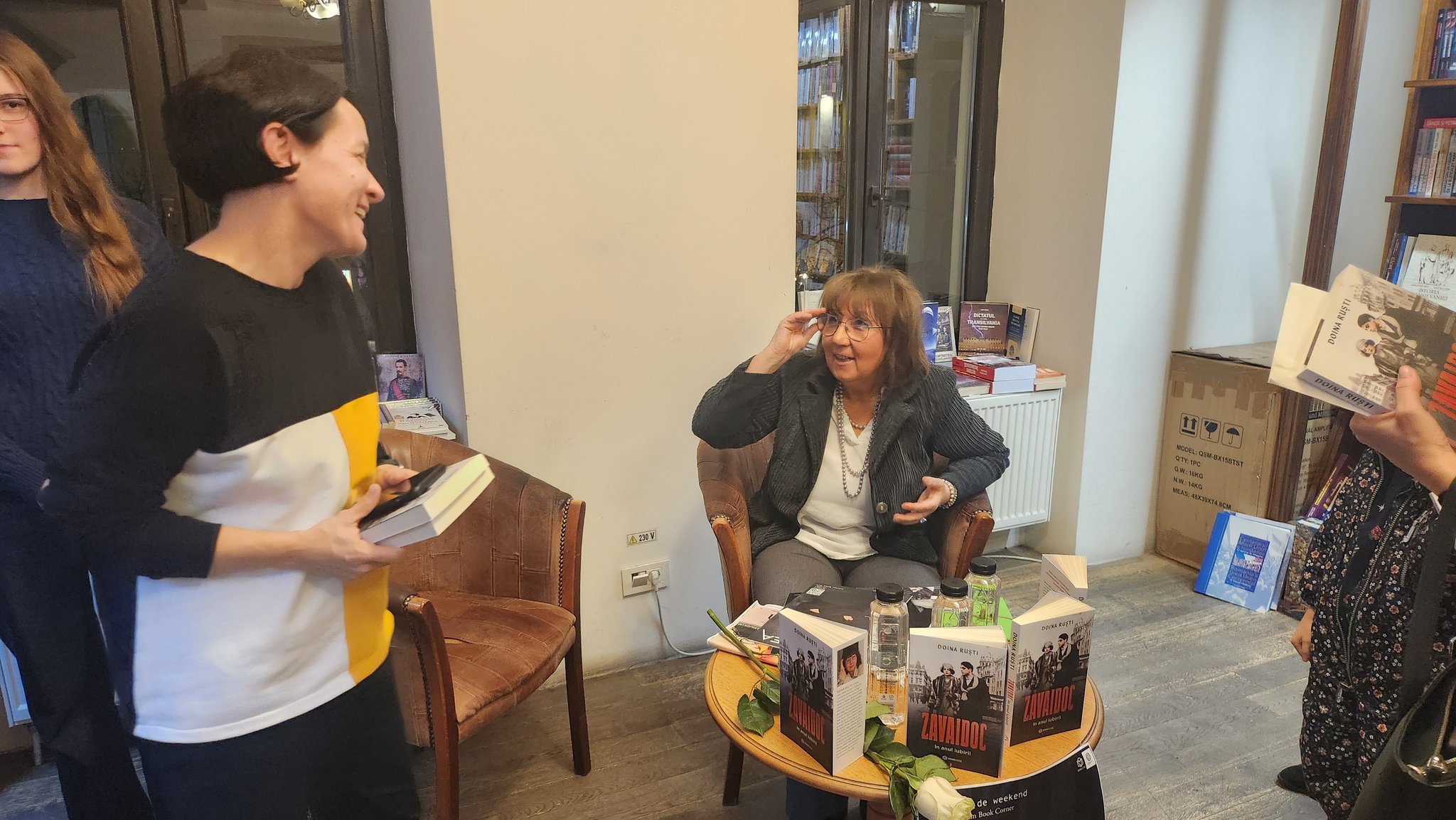
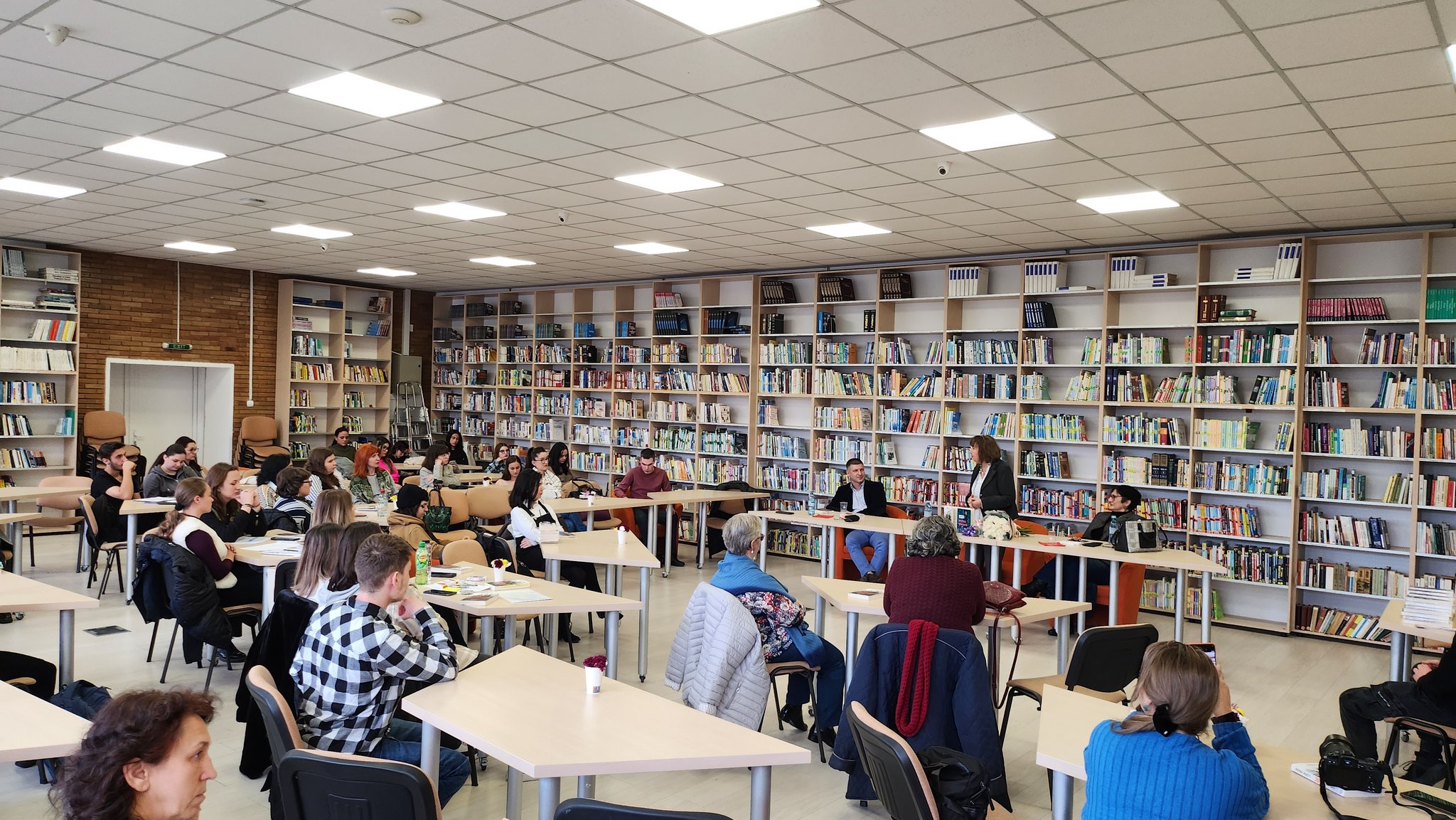
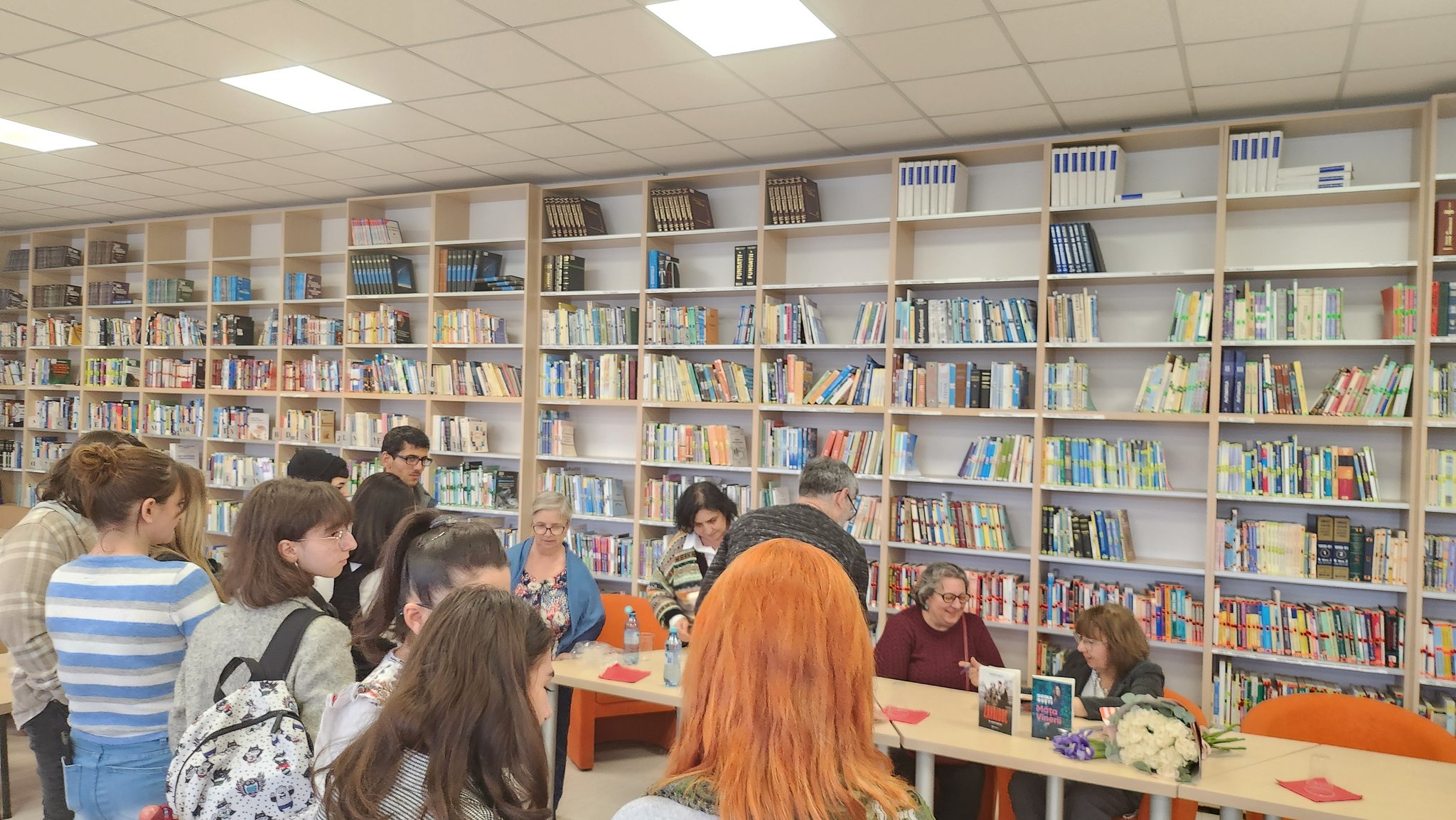
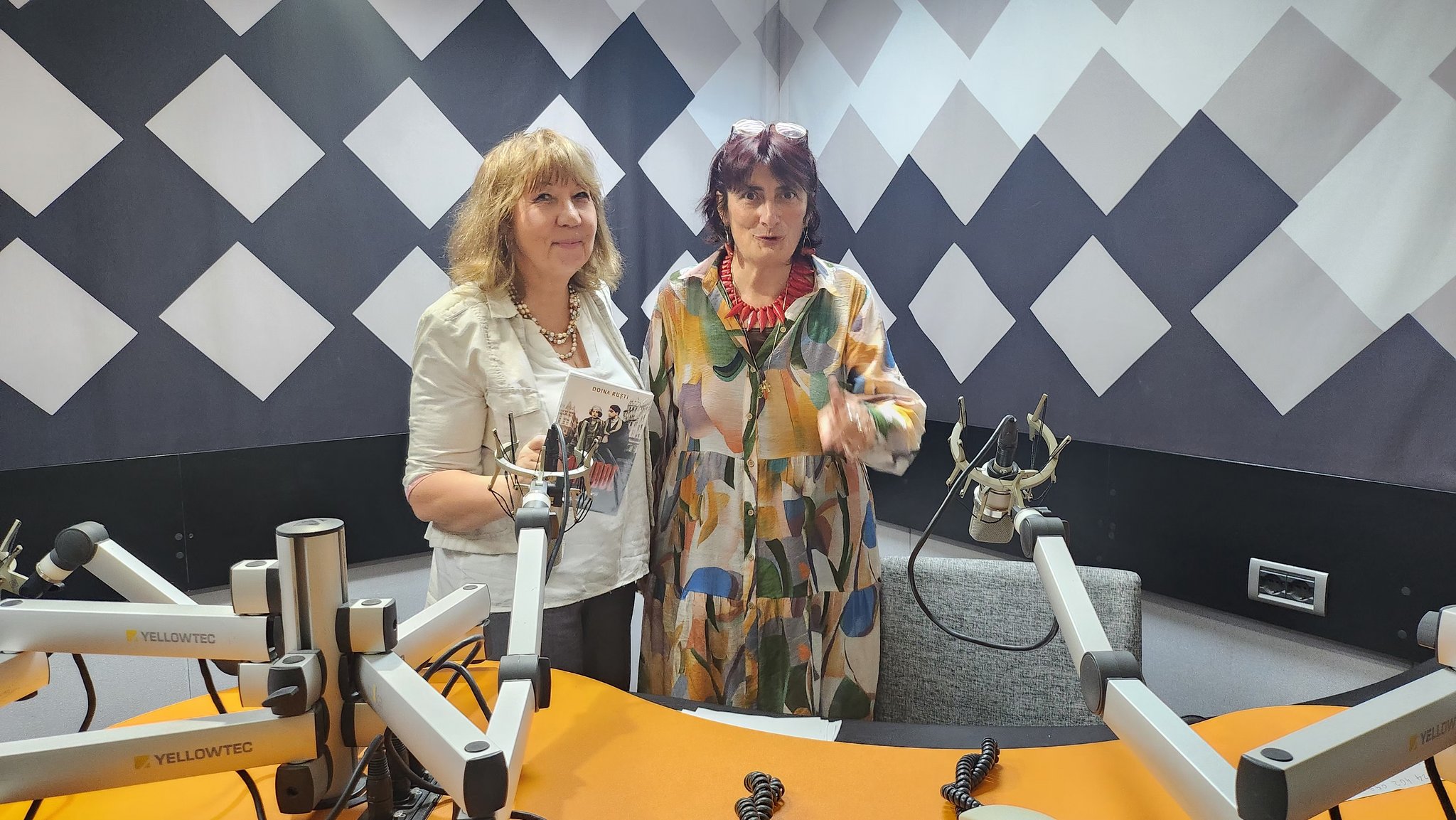
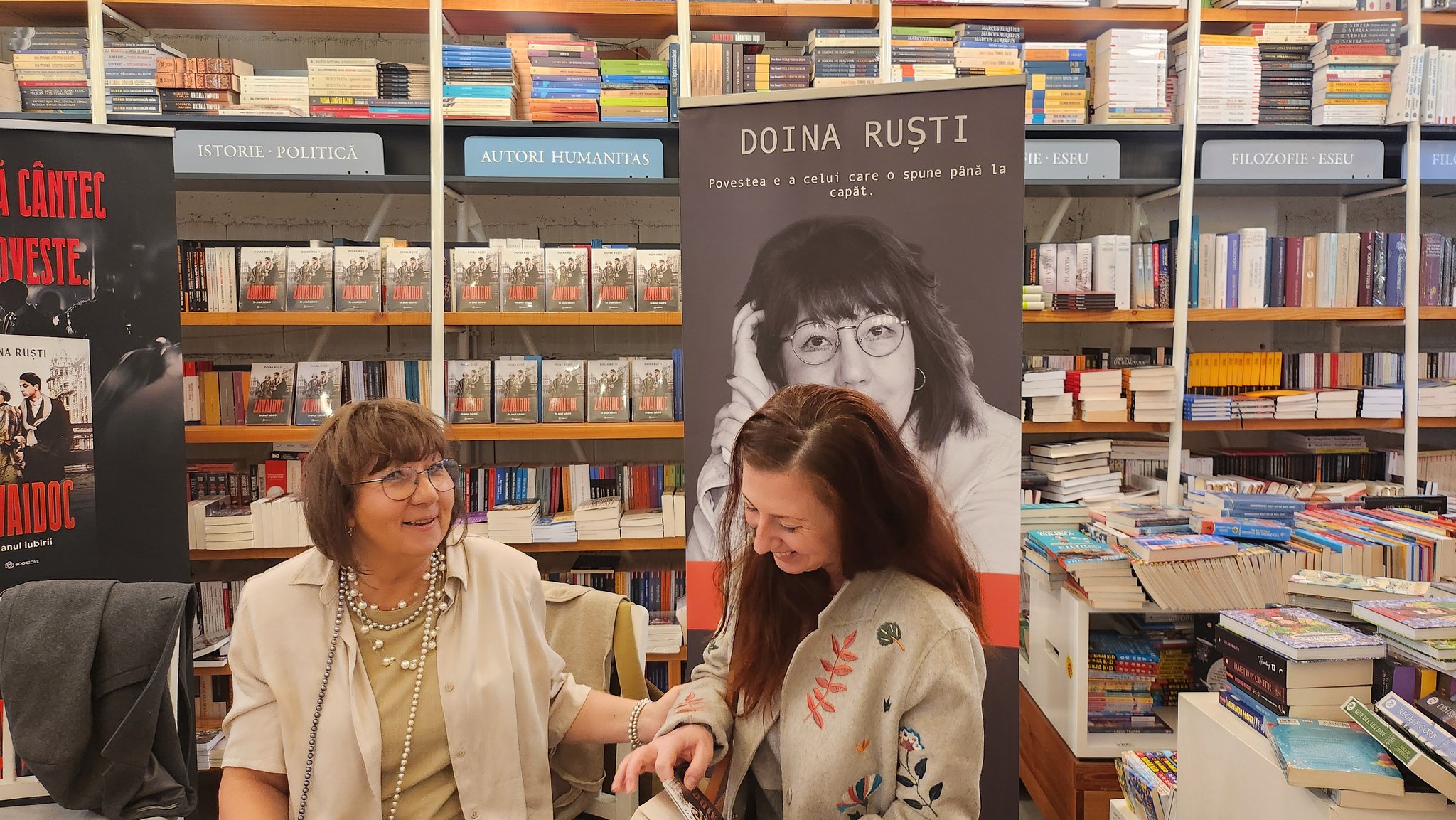
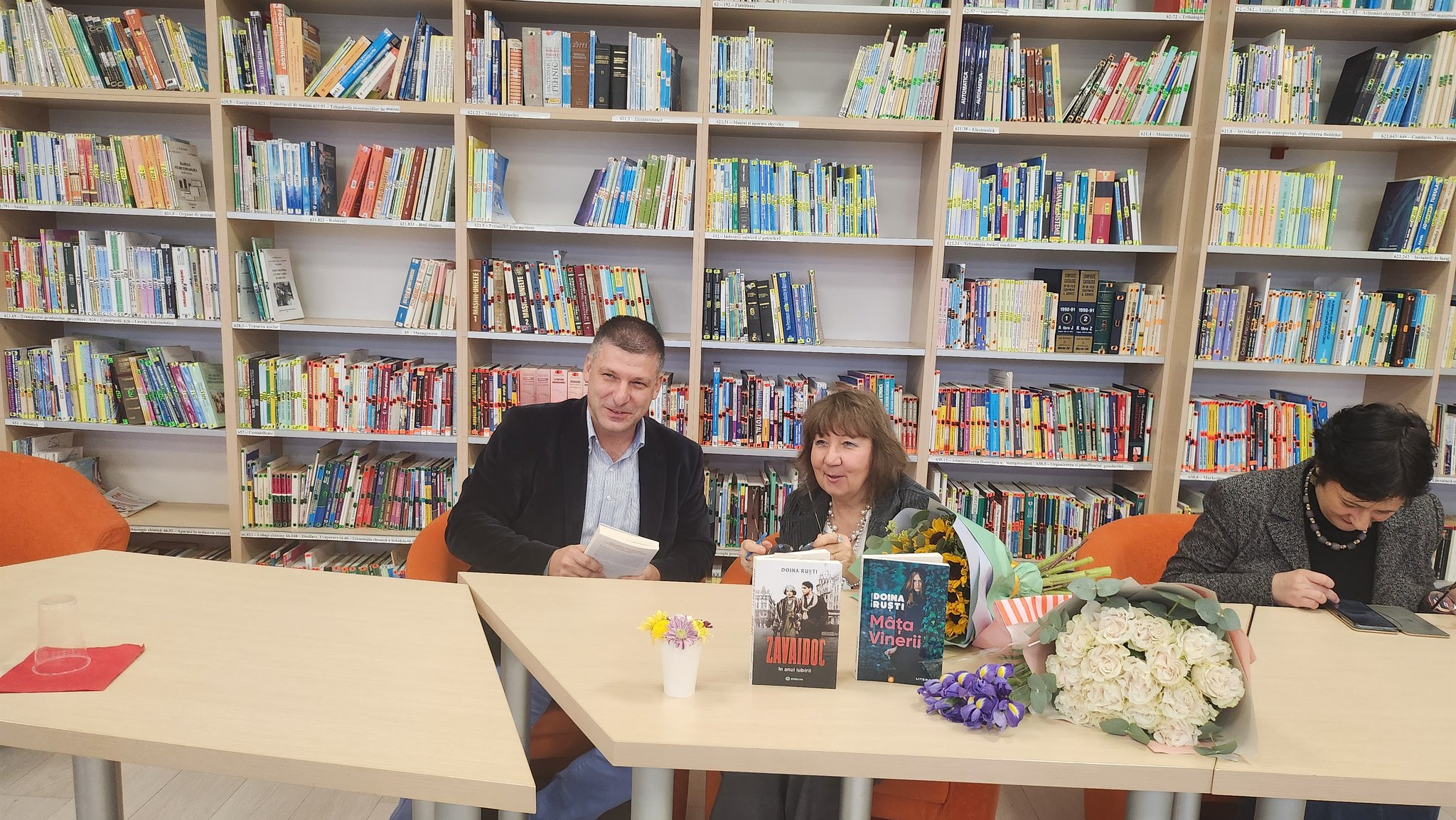
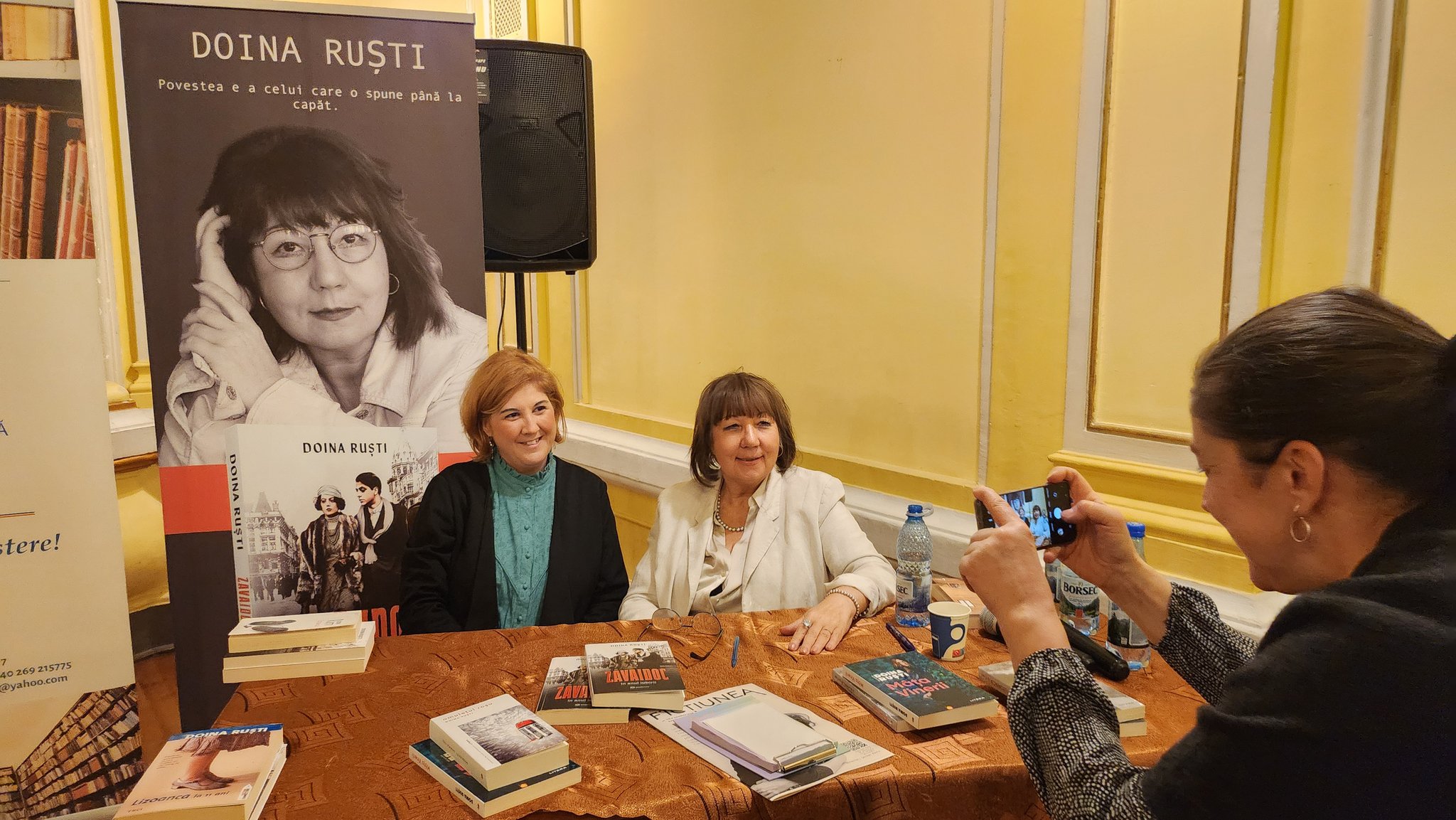
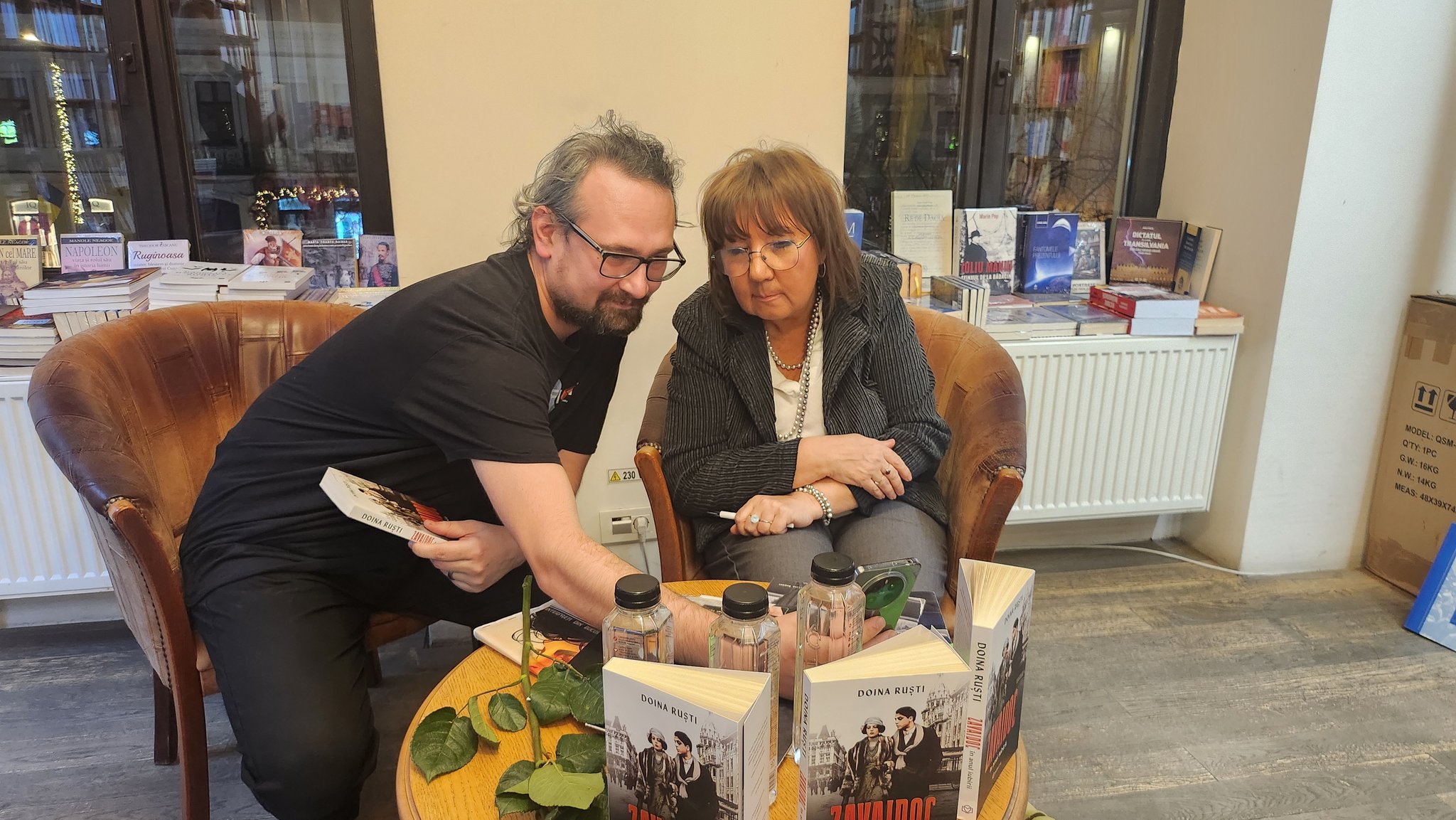
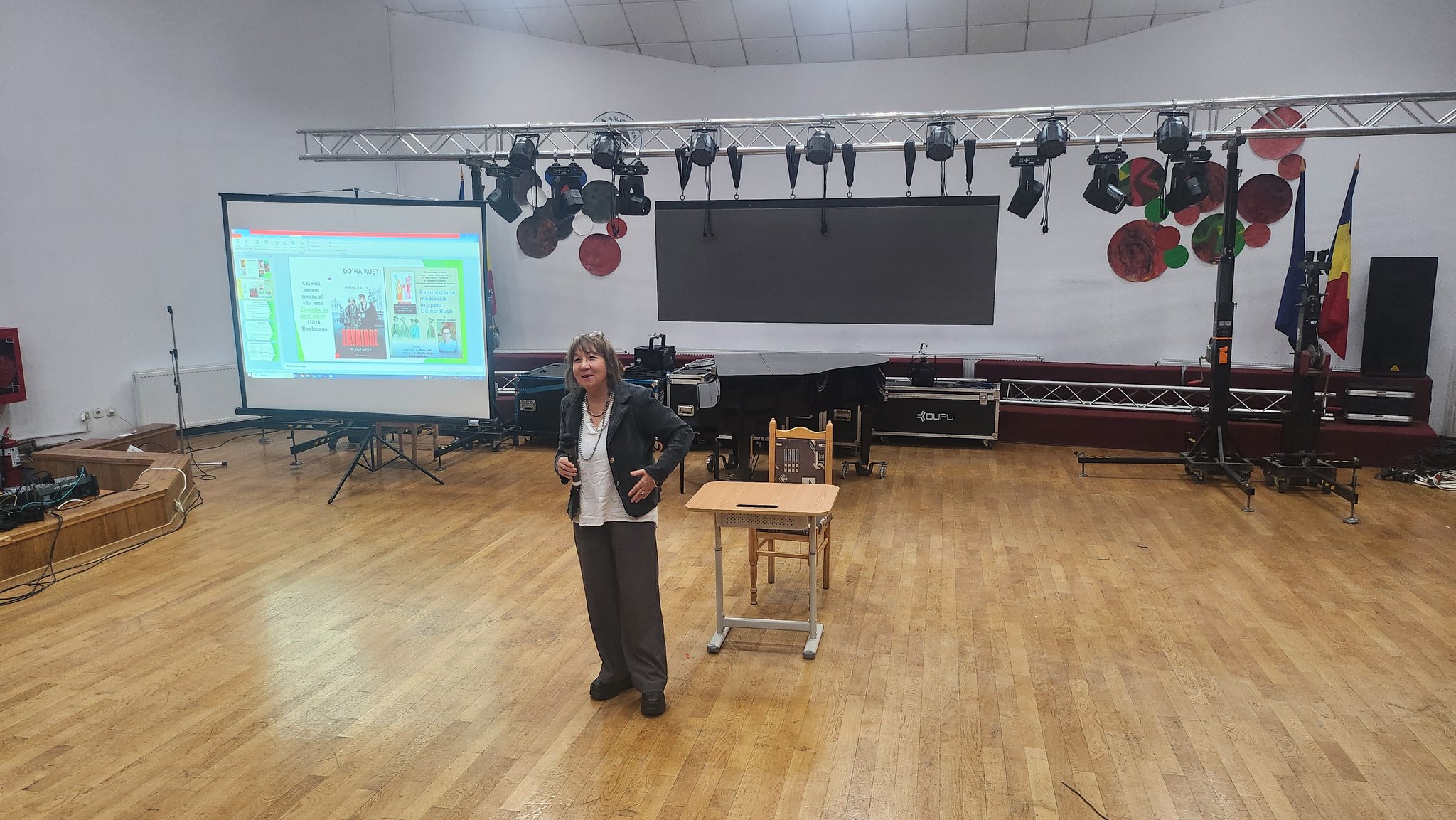
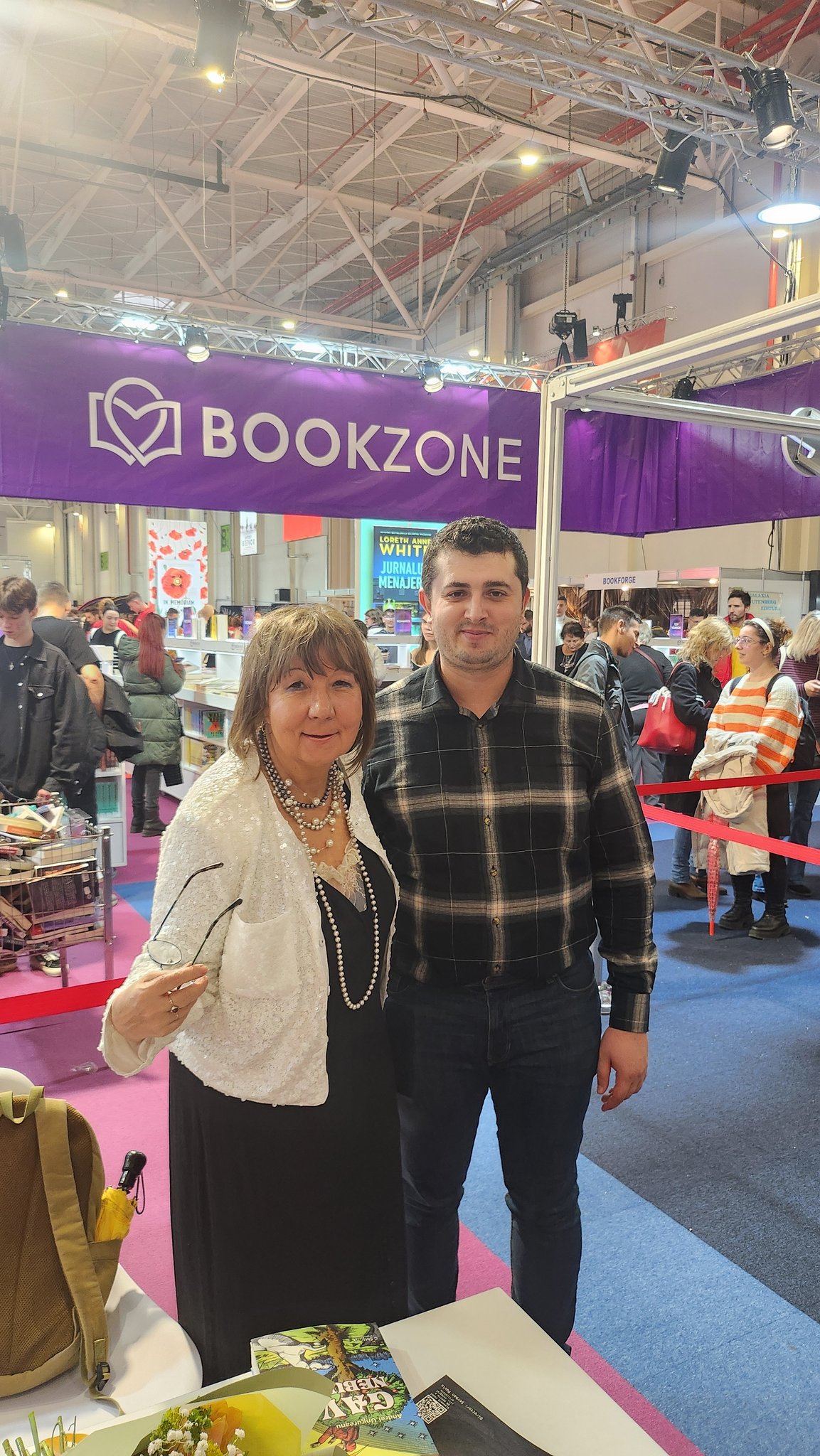
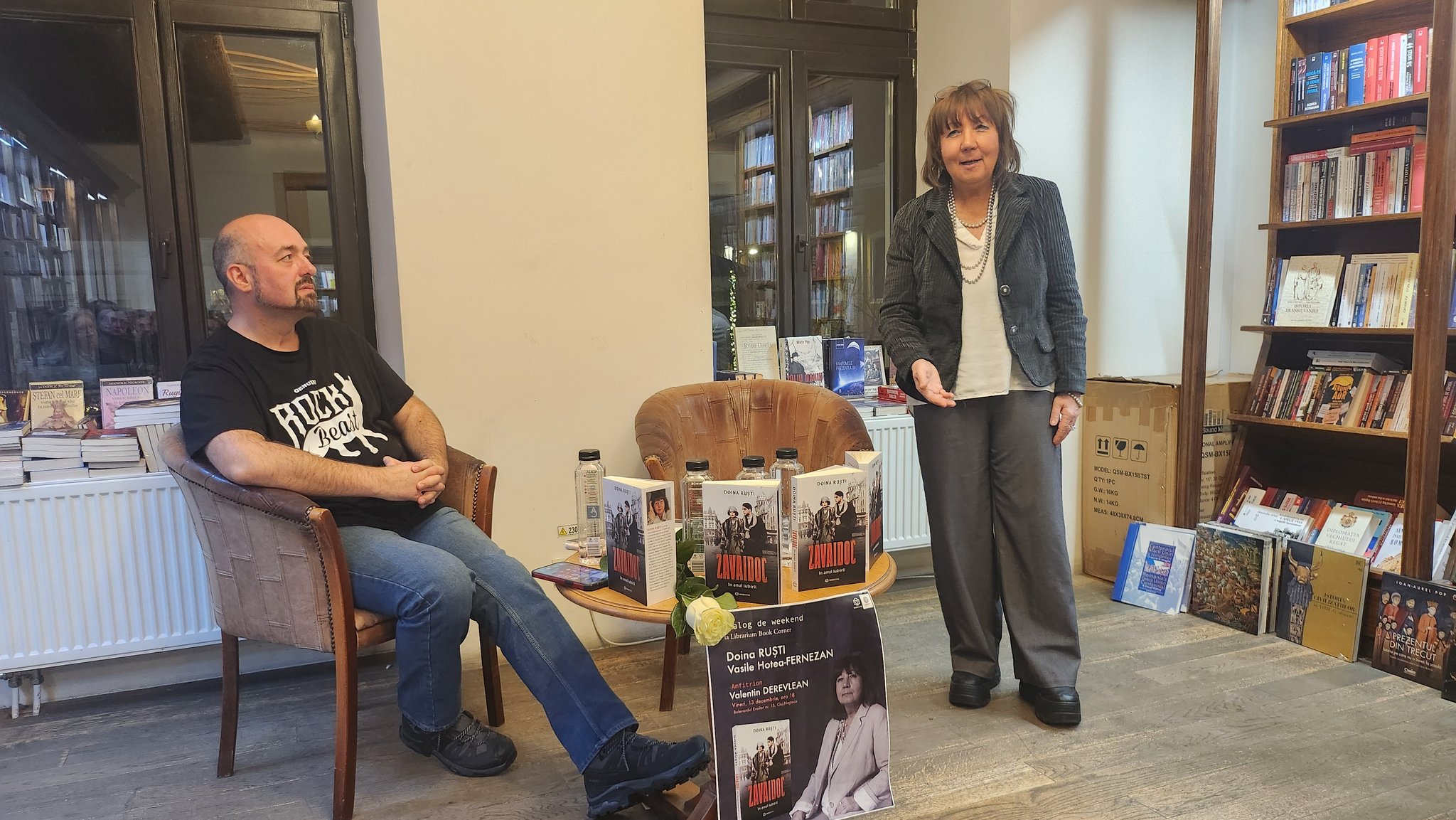
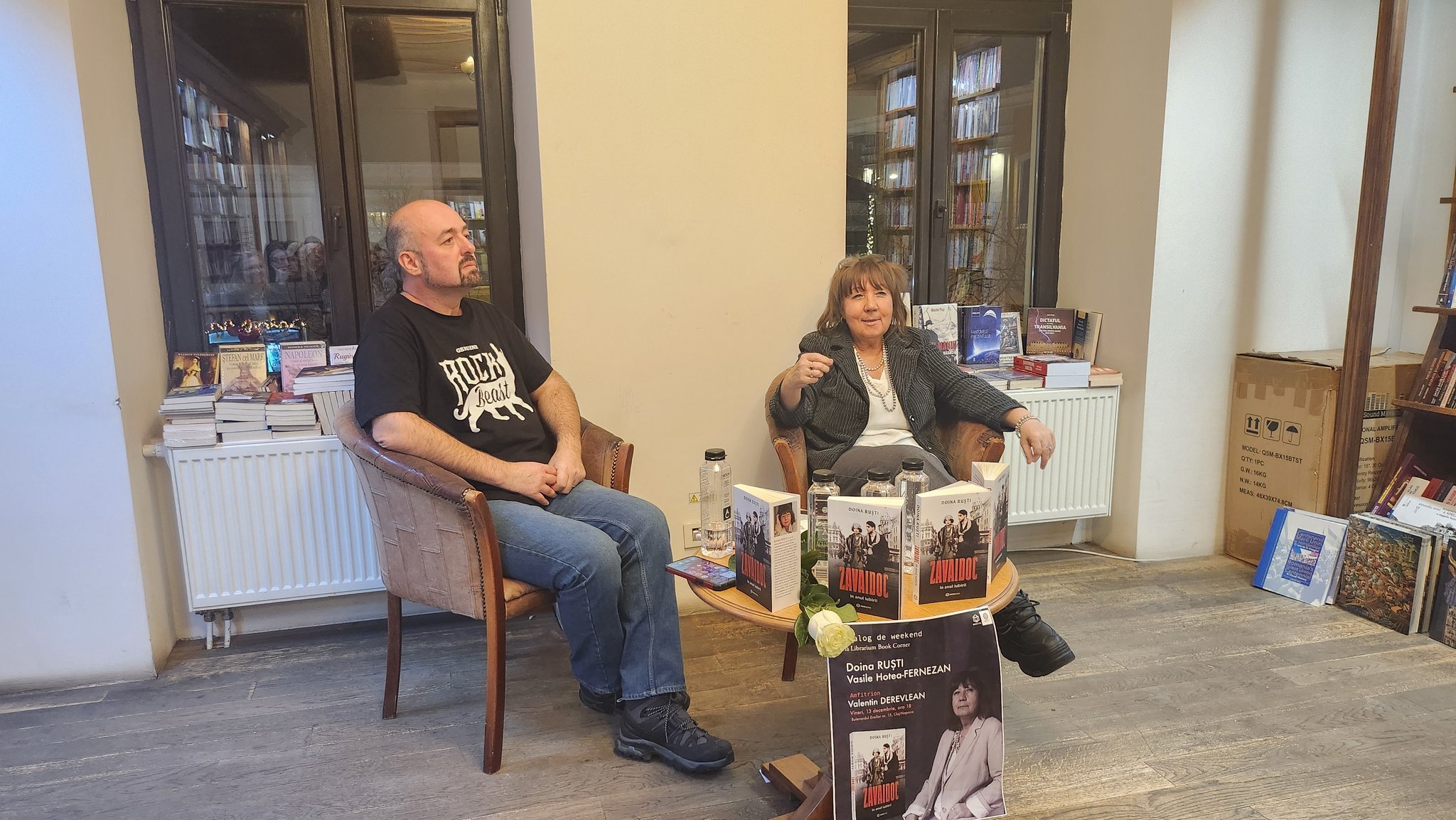
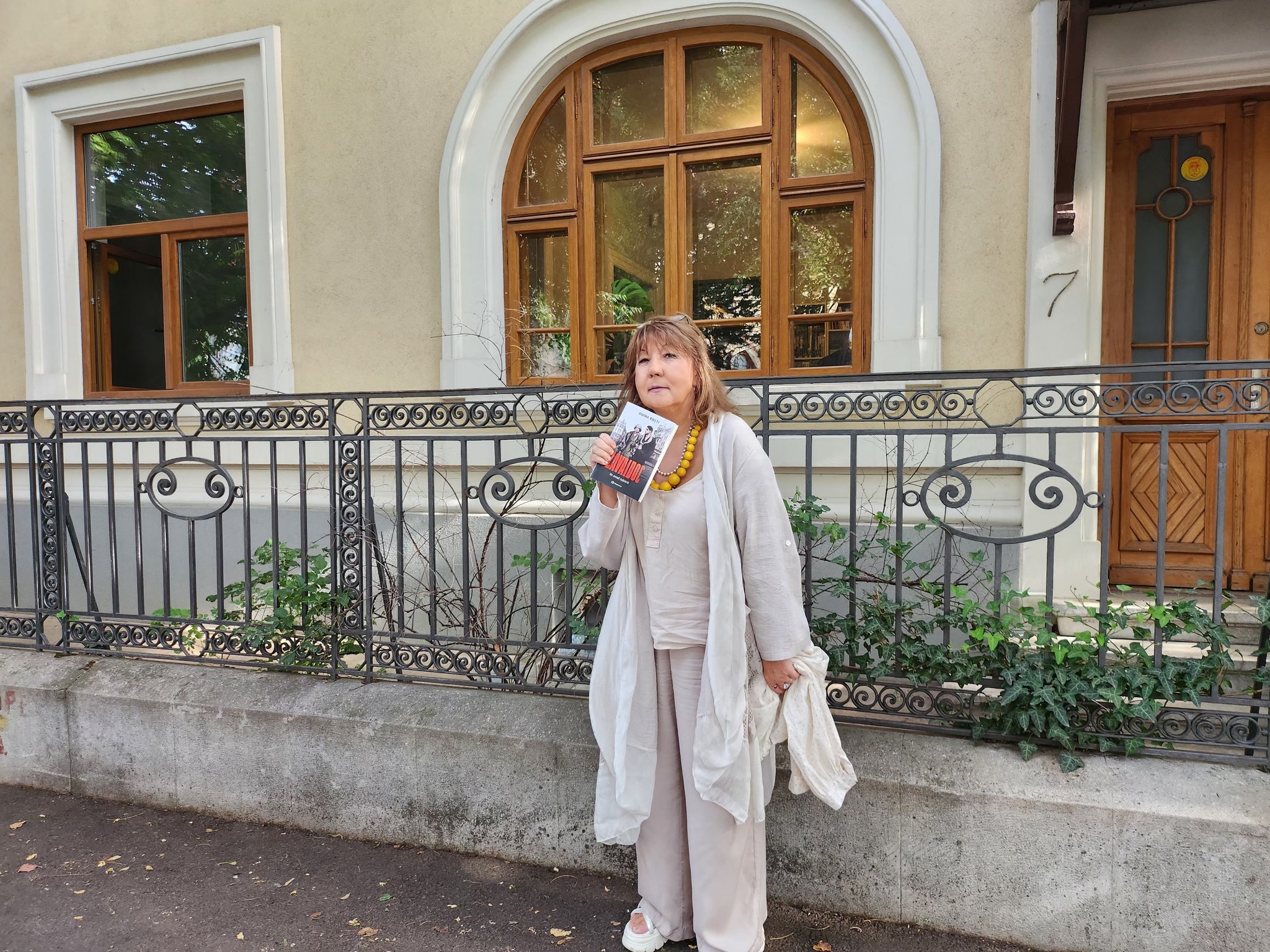
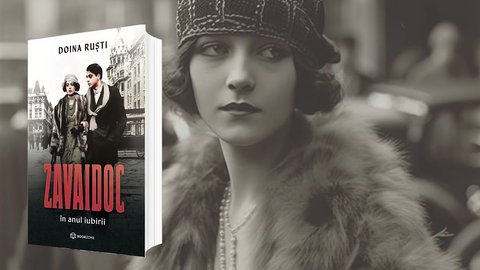
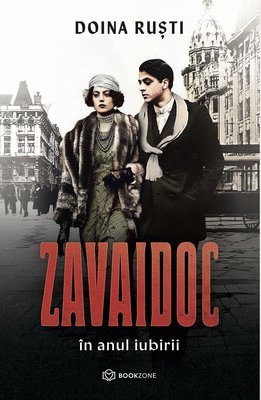
This page presents Zavaidoc in the Year of Love, the novel by Doina Ruști published by Humanitas Fiction and nominated in the “Best Fiction Book” category at the Bookzone Awards, based on the public vote. It includes the plot of the novel, excerpts from the book, editions, interviews, meetings with readers, and other events dedicated to the novel.
Three characters and three stories, inseparably intertwined: a high school girl, a literature student, and a singer preparing to enter history.
For Zavaidoc, the year 1923 was a peak. He was young—and yet not so young; he was already popular. Around him, there were no other singers of equal stature. He was the only one. Radio had not yet appeared, nor the microphone, nor domestic records. And yet his voice had reached everywhere, from the Royal Palace to the “new” territories in Transylvania, because he carried the music of a man in love.
A love story told from three perspectives, set against a remarkable year in Romanian history. Historical events (the 1923 Constitution), conferences, balls, and sensational incidents—including a kidnapping and, above all, the mysterious murder of Doctor Carniol. And among them all: Elisabeta Boulevard, with its cinema and theatre shows at the heart of Bucharest life & Achile; memorable perfumes; the umbrella shop and the Lipscanidistrict; private life, and more.
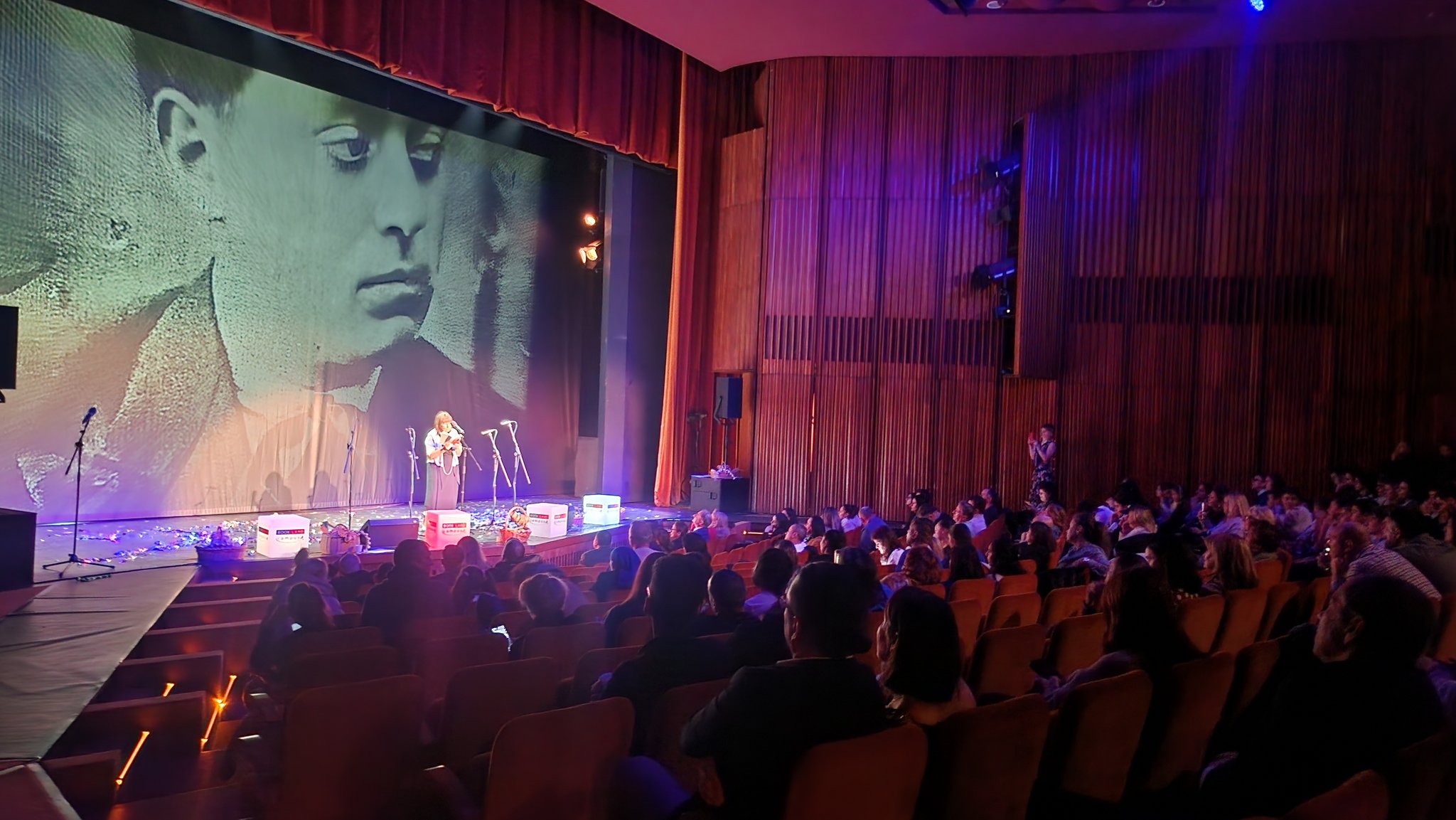
At the National Theatre, with Bookland
Recommended by Alexandria Bookstores
In the Top of Humanitas Bookstores
My encounter with Zavaidoc took place while I was trying to understand the complex architecture and the fragrance of the year 1923, the wildest of the “Roaring Twenties.” And on every newspaper page, in every book, in films and photographs from the early twentieth century, I rediscovered the incomparable voice of this artist, who moved through multiple cultural environments and sang with the same passion both operetta and folklore, but above all a living, epic music of the postwar city. Everything that happened in 1923 contains the force of Zavaidoc, born from a love story deeply intertwined with the history of a year.
Doina Ruști
A love story, told from three perspectives and a fabulous year in Romanian history: 1923.
Critical reception and Bibliography