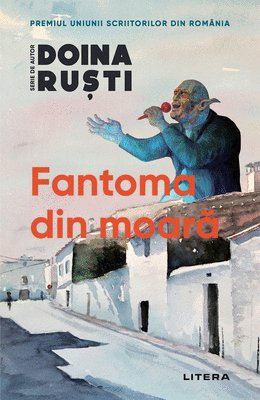
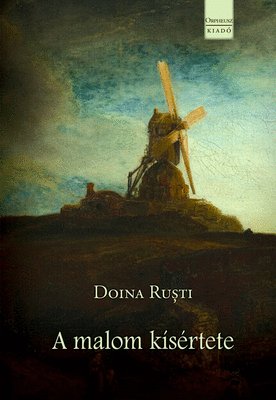
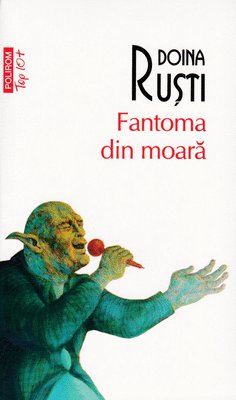
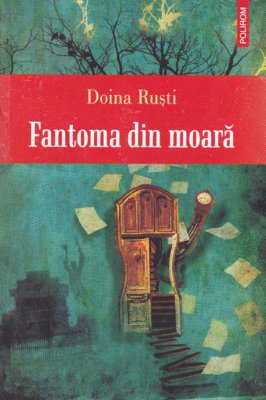
Excerpt from The Ghost in the Mill, translated by Ileana Marin, in Your Impossible Voice
Adela, a woman living in the present day, discovers in a Bucharest bookshop a novel that tells her own life. The author, initially unknown to her, is a young man who boasts of a famous ancestor: Pavel. As Adela begins to investigate, she realizes that the novel’s text has been copied from a mysterious blog (theghost.ro).
Adela’s story—supplemented and corrected by herself, in the first person—centers on an abandoned mill in the small Danubian village of Comoșteni. Over the course of her life (roughly between 1960 and 1986), Adela and her friend Lucica witness a series of hallucinatory events taking place in the mill: apparitions and disappearances, mist-like beings, crimes, and the discovery of a treasure. There is even a suspicion that Adela’s own parents vanished there. Yet nothing weighs more heavily on her than Max, whom she encountered in the mill and from whom she can never escape for the rest of her life. The monster of the mill is constantly with her—watching her, licking the back of her neck—so that she never has a single moment of intimacy, nor does anyone else in Comoșteni. Gradually, the people around her begin to change their appearance, to resemble Max, until eventually the entire world seems to be made up of the faces of this tutelary figure.
At the end of this reading-and-remembrance, Adela discovers two additional texts on the blog theghost.ro: The Mill and Two Days. Each continues the history of the small village from an objective perspective.
The action of The Mill—the most extensive part of the novel—is set during the days of the Chernobyl explosion. Adela’s hallucinatory experiences are complemented by those of the other villagers, and above all by Lucica’s story. Each character has a story connected to the mill, poised between sexual and mystical aspiration. As the sole sanctuary of intimacy, the mill generates the most bizarre fantasies, from lovers embodied ad hoc to gods, demons, magical eyes, and succubi, triggering an investigation by the Securitate. All these experiences, woven together into an epic fabric, are recounted by benevolent witnesses and gathered into the “locked file,” guarded by Pavel, now an elderly former Communist leader (the ancestor of the writer who appears at the beginning of the novel). Passionate about stories, he has collected various testimonies from the villagers, including members of Adela’s family.
Against this epic backdrop, during the days of the explosion, the villagers of Comoșteni carry their mystical bonds with the god of the mill to a climax. The backbone of this second part of the novel is the following story: Lucica, a schoolteacher, is forced by a militia officer to attend a party, where she is raped. The same officer then compels her to undergo an abortion and to pay an exorbitant price for it. He later arrests her, and Lucica is sentenced to prison for having had an abortion. All the other epic events are organized around this story, told gradually—a story in which nearly all the characters of the novel are involved in one way or another. From decision-makers to the intellectual who aspires to publish, to the man who survives underground, no one remains uninvolved, no one innocent.
The third text of the novel (the shortest) narrates two days in the life of a rural schoolteacher, Adela’s great-grandfather: one happy day in the interwar period, when Pavel was merely a pupil dissatisfied with his teacher, and one dreadful day in the Stalinist years, when Pavel ruled the world.
The happiness and suffering of these two days meet at the point where any god is born—even the god of an abandoned mill. On a more visible level, the tragedy of the interwar schoolteacher intersects with that of the schoolteacher Lucica, announcing the collapse of education, of the school, and of the world itself.
Each of the three narratives complements the action of the other, explaining attitudes, conflicts and occurrences that have hitherto seemed inexplicable. In the communist world of The Ghost in the Mill there are no positive or negative, good or bad characters. Each contributes in his or her own way to the perpetuation of the wider prison camp that is totalitarian Romania, with survival as the only object of desire. That is why the novel has no main character, but rather describes a world subtly connected to the soul of a ruined history.
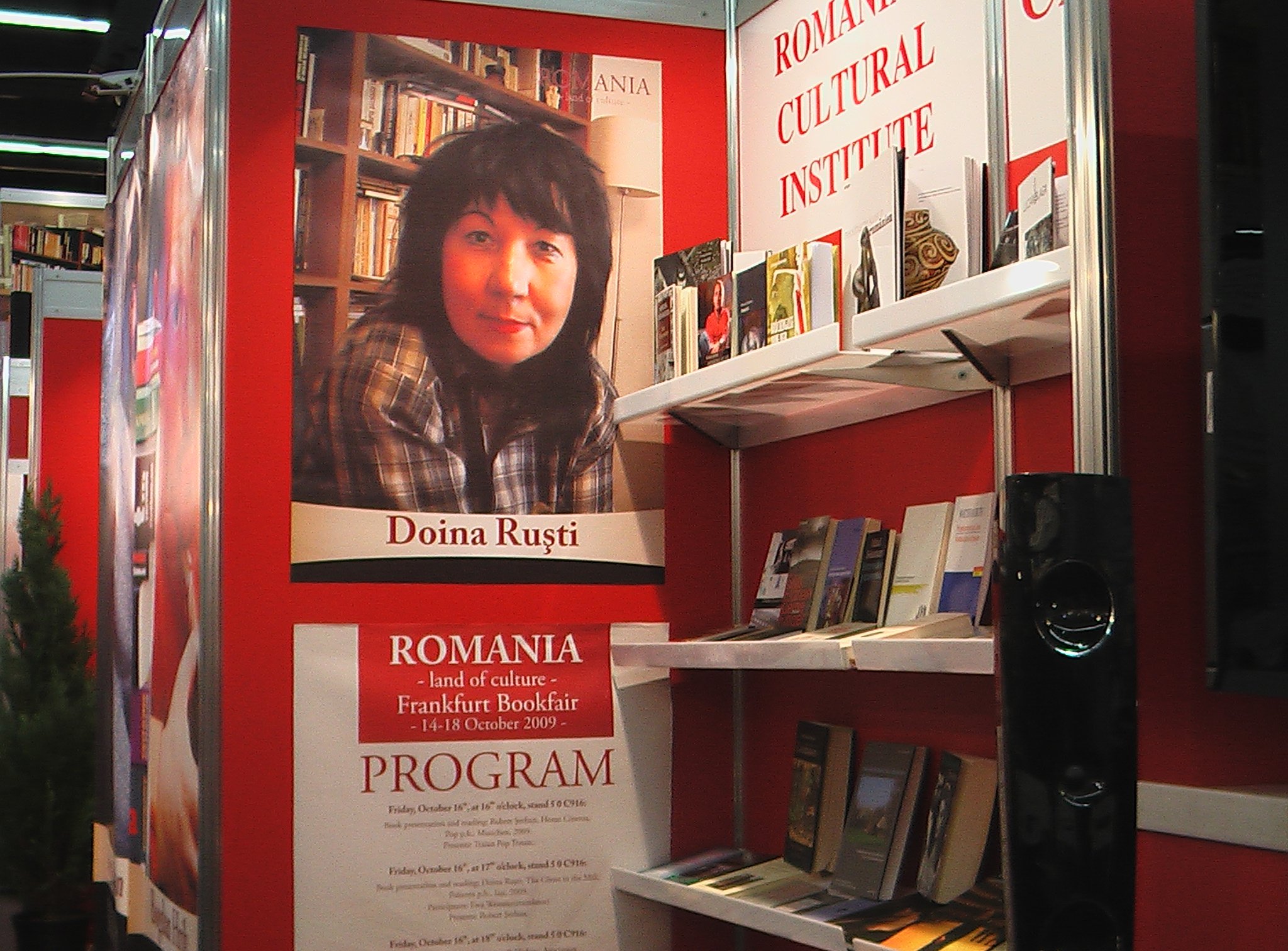
A Romanian event at the Frankfurt Book Fair: the German translation of the novel “The Ghost in the Mill” by Doina Rusti
This year, the Frankfurter Buchmesse Book Fair will be held from October 11 to 15 and will be opened by Angela Merkel and Emmanuel Macron.
The Fair will be attended by some of the best ranked writers of the day, such as Margaret Atwood, Dan Brown, Nicholas Sparks, Michel Houellebecq, Ken Follett, Cecilia Ahern, Paula Hawkins, Alain Mabanckou, Leila Slimani and many others. France, which is the guest country, announced that more than 180 writers will be present at the fair.
From a thematic point of view, this year’s edition of the oldest book fair has chosen the theme of the freedom of speech, especially referring to the Turkish writers.
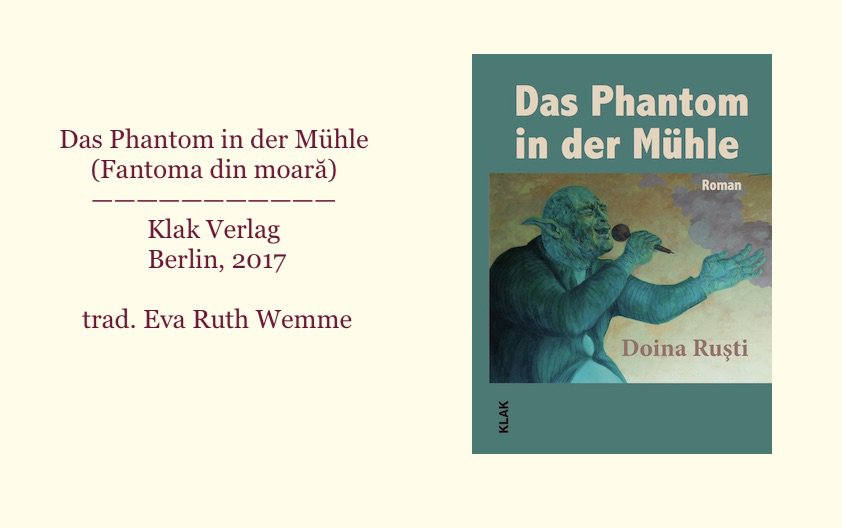
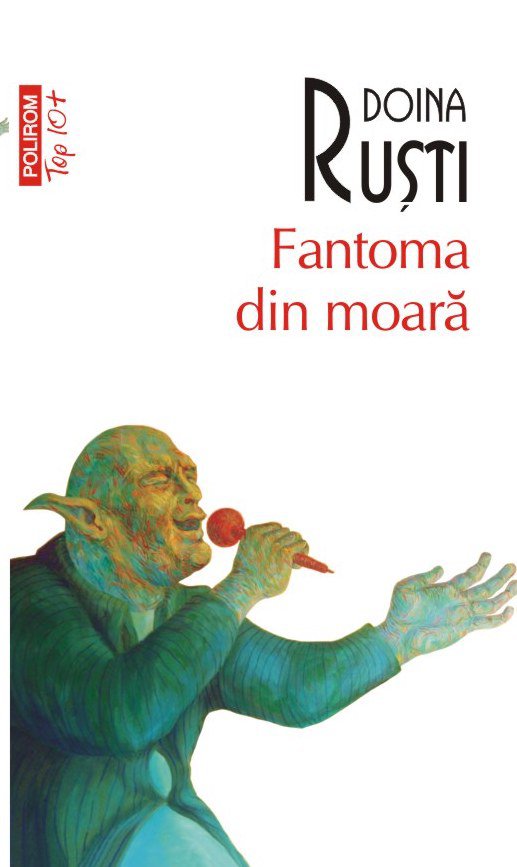
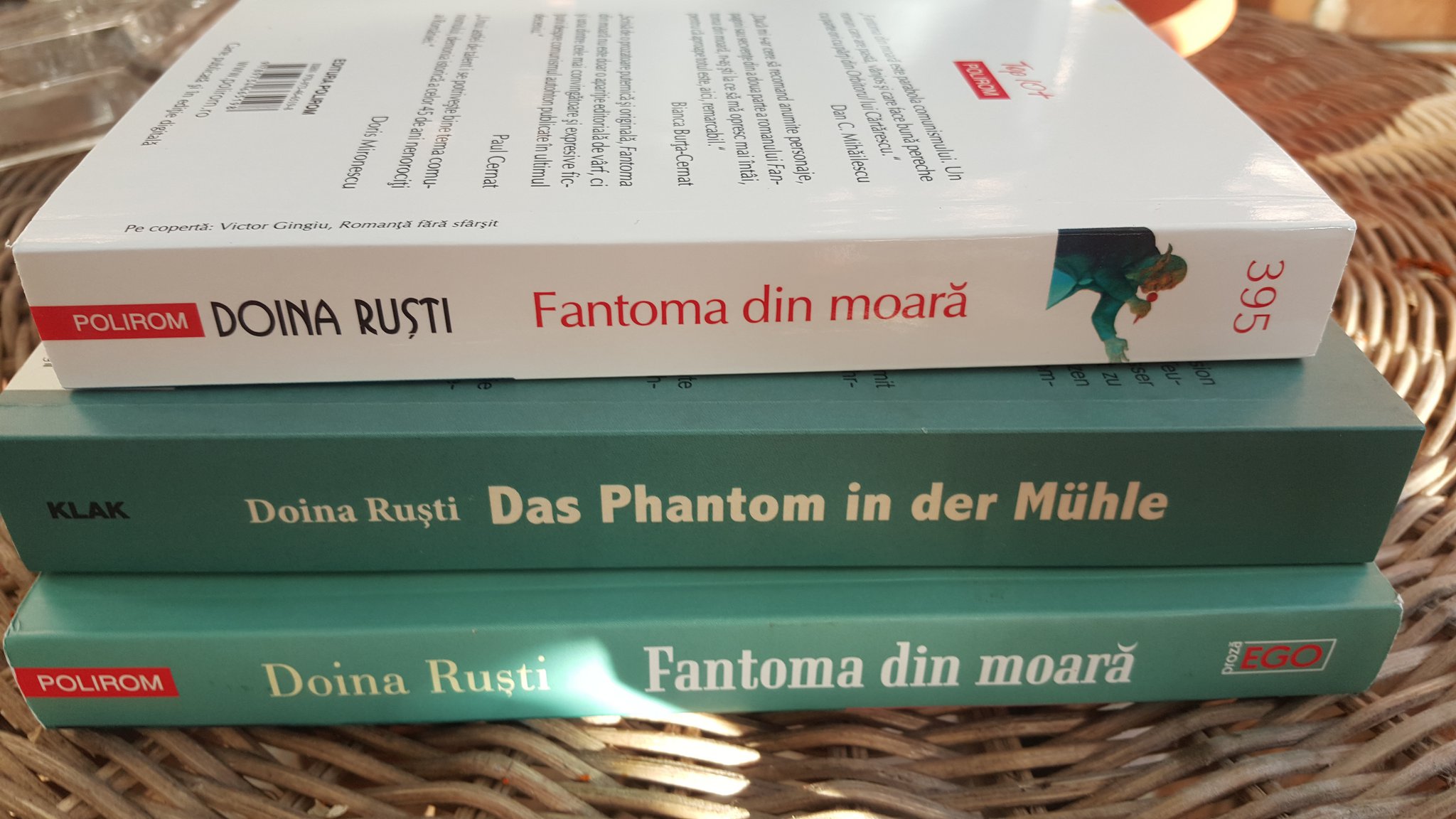
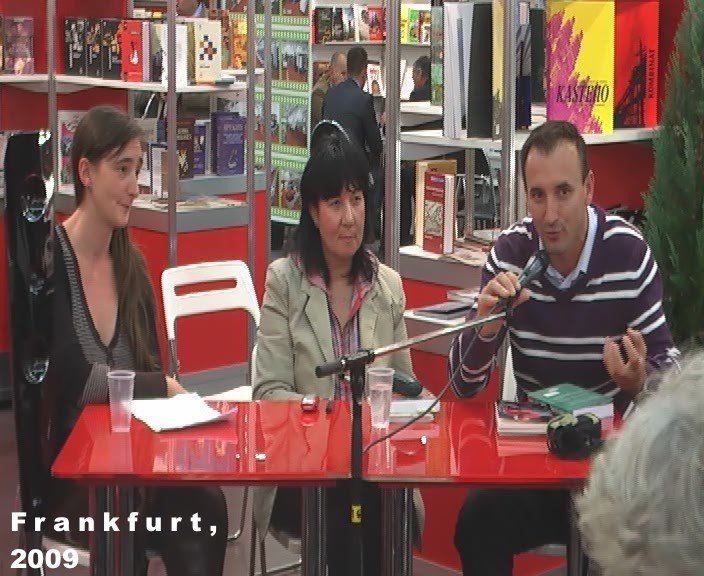
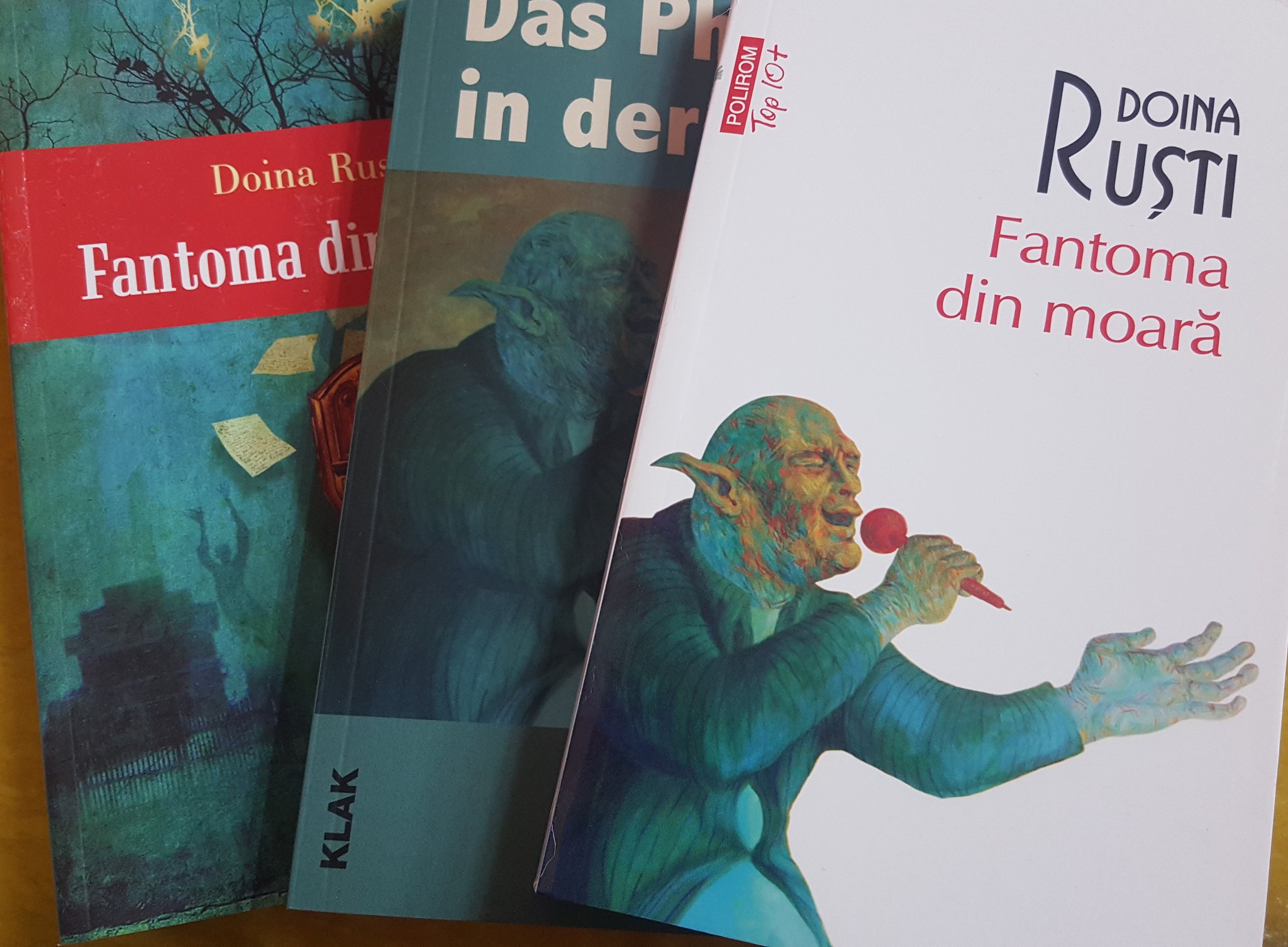
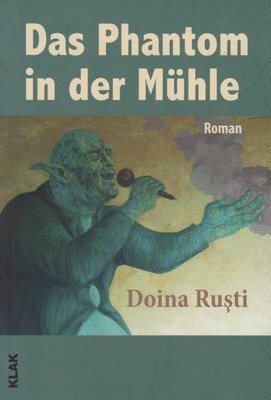
One of the Frankfurter Buchmesse’s events is the launch of the novel “The Ghost in the Mill” (“Fantoma din moara” – e.n.) by Doina Rusti, recently published at Klak Verlag in Berlin (translated by Eva Ruth Wemme).
The launch of the book will be held on Saturday at 12.00, at Romania’s stand, as a debate related to the book, about history and guilt. Jan Cornelius and Jörg Becken, a historian and publisher from Berlin, will be invited together with Doina Rusti. (more)
BERLIN: Doina Ruști, Das Phantom
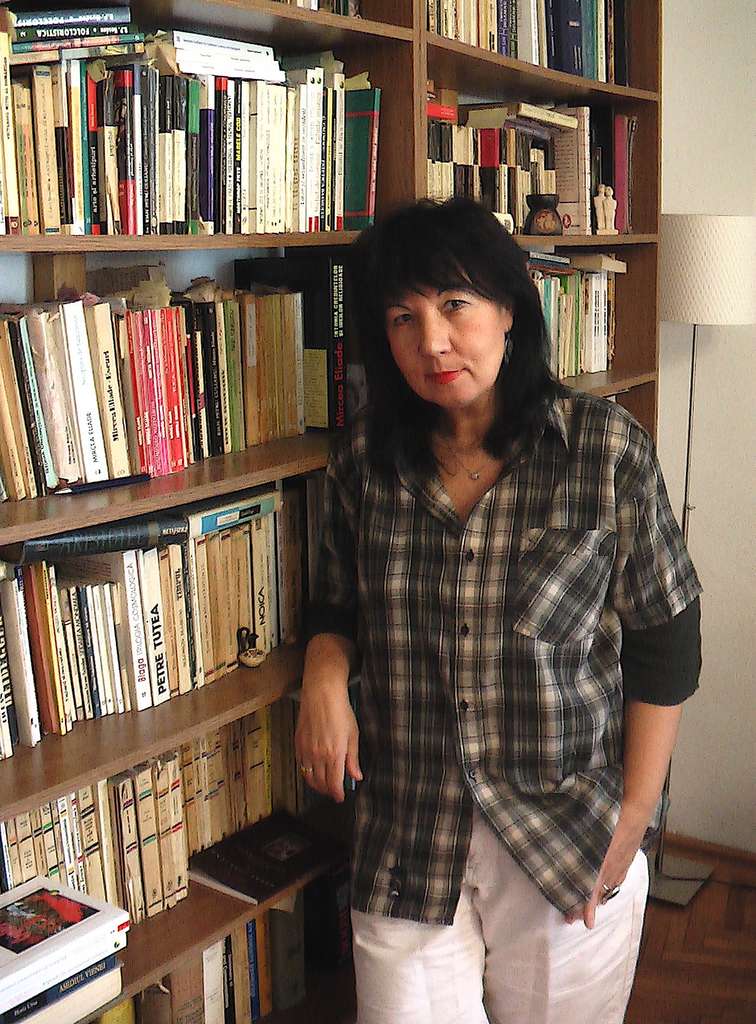
The novel expounds my opinion on the retroactive punishment of crimes. I do not believe in the judgments made many years later. I do not believe in revenge. Communism was a complex terror. A kind of ghost hidden in the ruins of a mill, madeing mad people through confusion, debauchery, cruelty. Transforming normal people into monsters can not be repaired by sanctioning those monsters. It is a hallucinatory system, a generalized aberration I thought I could best express it in fantastical register.
Doina Ruști