September–October 2026
In each city, the conversation began with Nane, the young man who enters Matuf's shop and finds himself in another time. What happens to a person's identity when they move from one era to another? How much of who we are depends on memory? And what place does humanity occupy in a world where artificial intelligence is beginning to reproduce human abilities?
The meetings brought together school pupils, university students, teachers and readers of all ages for conversations about literature, history and the future.
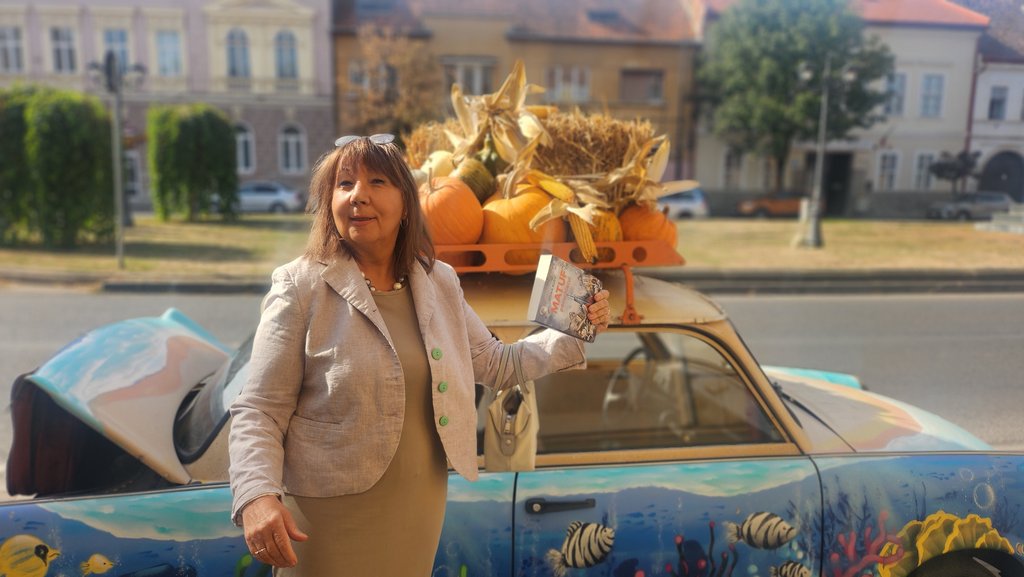
Meetings, readings and interviews. Just two days after coming off the press, Matuf, peruchierul made its first public appearance in Chișinău.
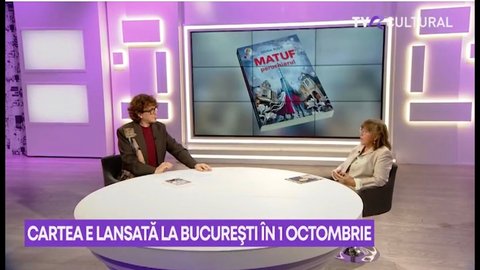
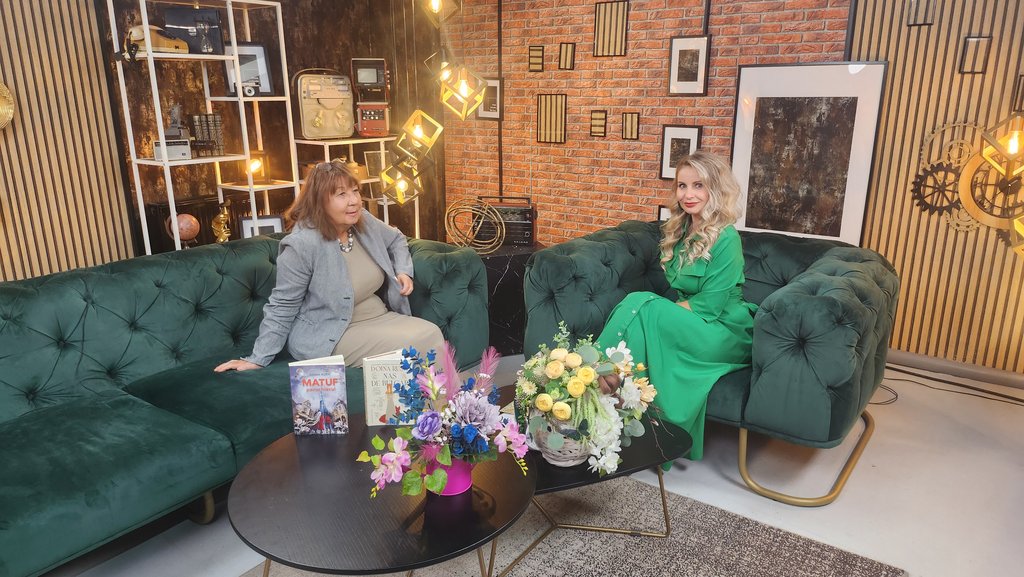
Romanian novelist Doina Ruști appeared on the September 22 edition of Jurnal Cultural, broadcast by Romanian Television (TVR), in an interview conducted by Bogdan Stănescu.
The conversation began with her new novel, Matuf, peruchierul, published by Humanitas Junior, and continued with the literary events scheduled for the autumn.
Matuf, peruchierul is a speculative thriller connecting eighteenth-century Bucharest with the contemporary world. It all begins on Lipscani Street, where a mysterious wigmaker's shop appears overnight. When a girl disappears, Nane decides to enter the shop. From that moment, the story moves into the present, opening up a world of encounters between different eras, shifting identities and extraordinary possibilities hidden behind ordinary things. Written primarily for young readers, the novel also appeals to adults.
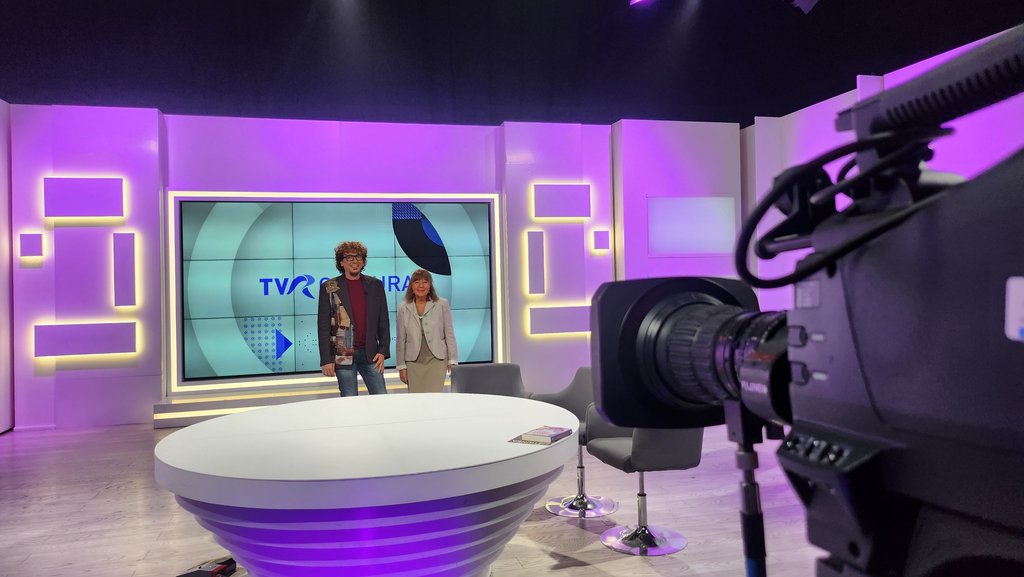
Bogdan Stănescu asked Doina Ruști which character she considered the most complex. The novelist spoke about Matuf and his magical hair, but also about typological symbolism and technological mythologies.
During the programme, Doina Ruști also discussed the book launch scheduled for October 1 at the Humanitas Bookshop near Cișmigiu Gardens, her first Bucharest bookshop event for the novel.
The autumn continued with other literary meetings and important cultural events.
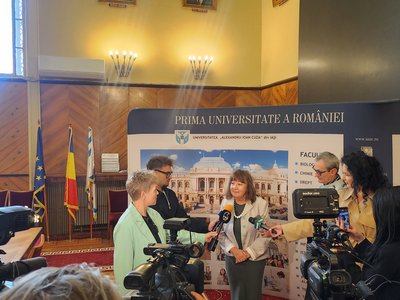
Doina Ruști was a guest of honour at the opening ceremony of the 2026–2027 academic year at Alexandru Ioan Cuza University in Iași, where she delivered an address to students and academic staff.
Video of the ceremony: speeches and highlights.
Doina Ruști recalled the university's distinguished tradition of philological studies and spoke about her recent novel Nas de bulgar, inspired by her years in Iași. She also announced the publication of Matuf, peruchierul.
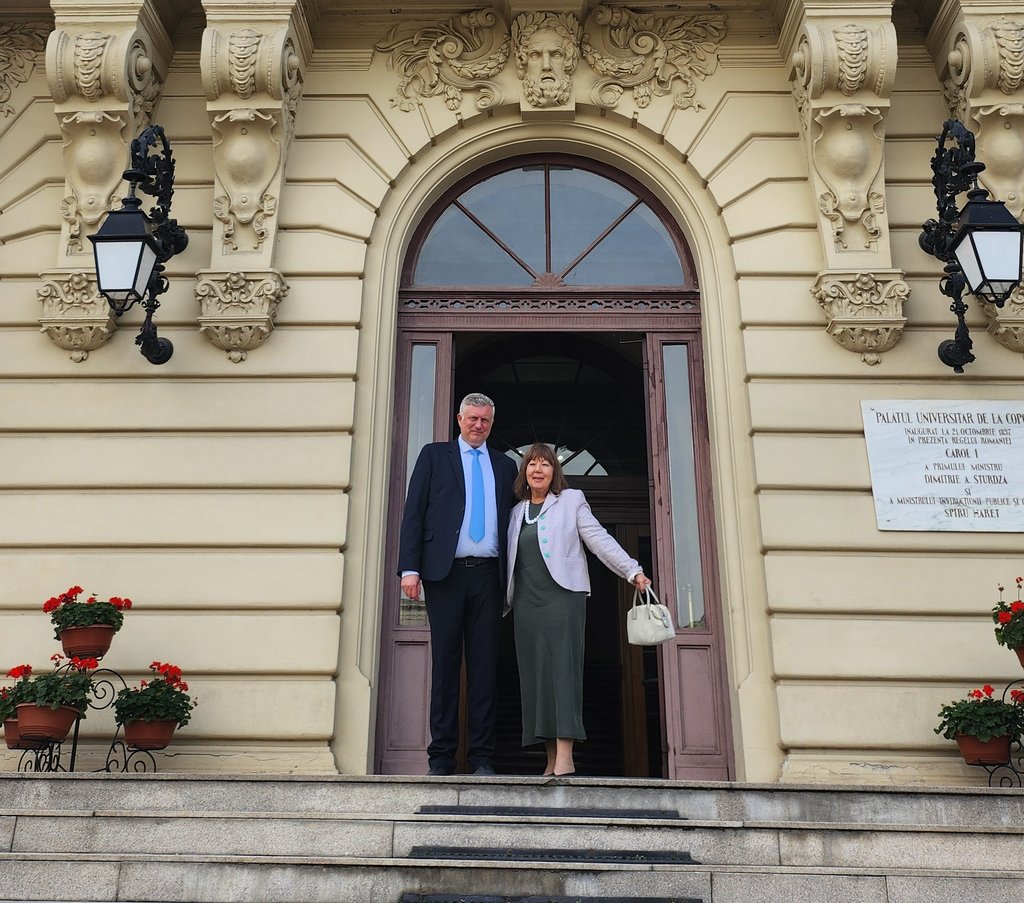
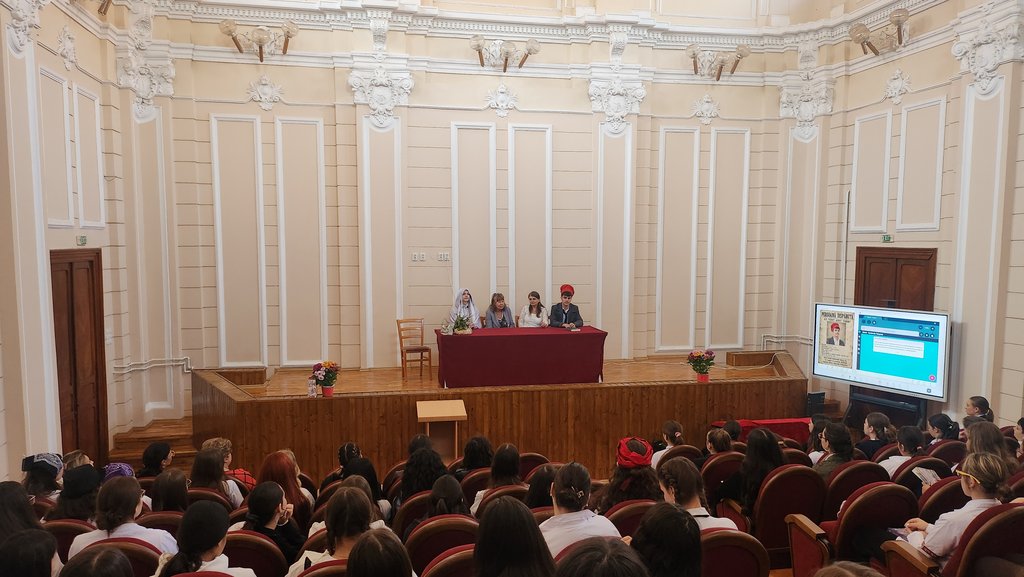
The first meetings with readers in this series took place in Galați, where Doina Ruști returned with a novel written primarily for young people.
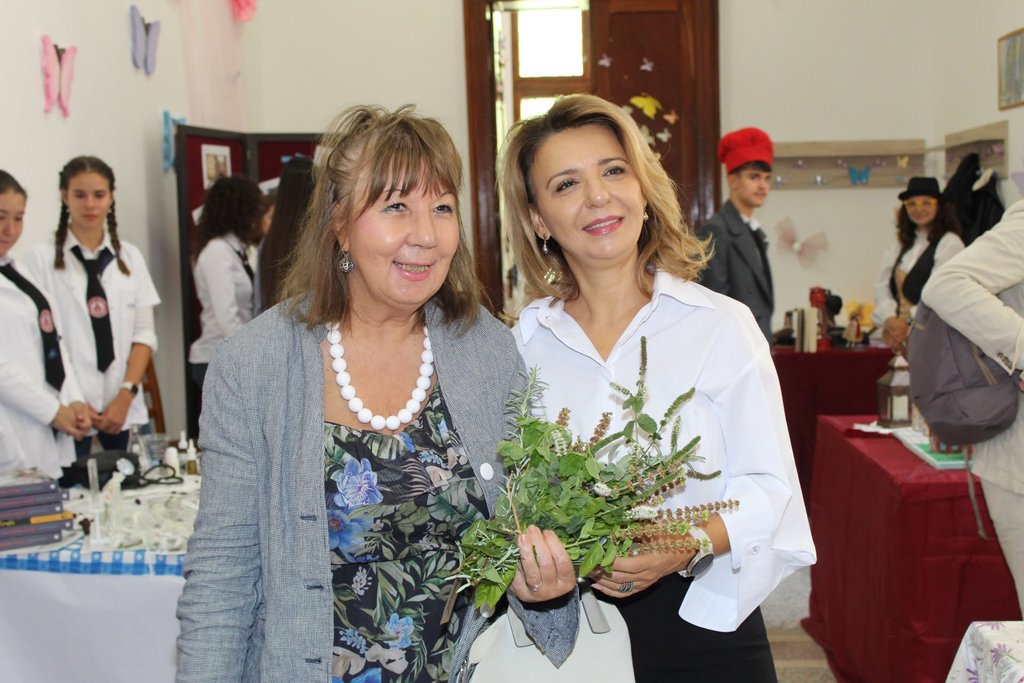
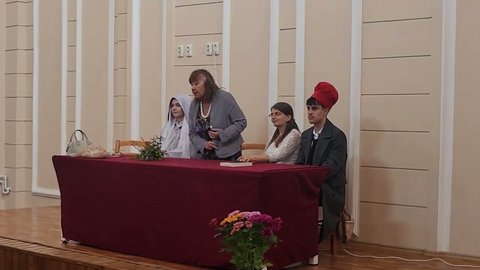
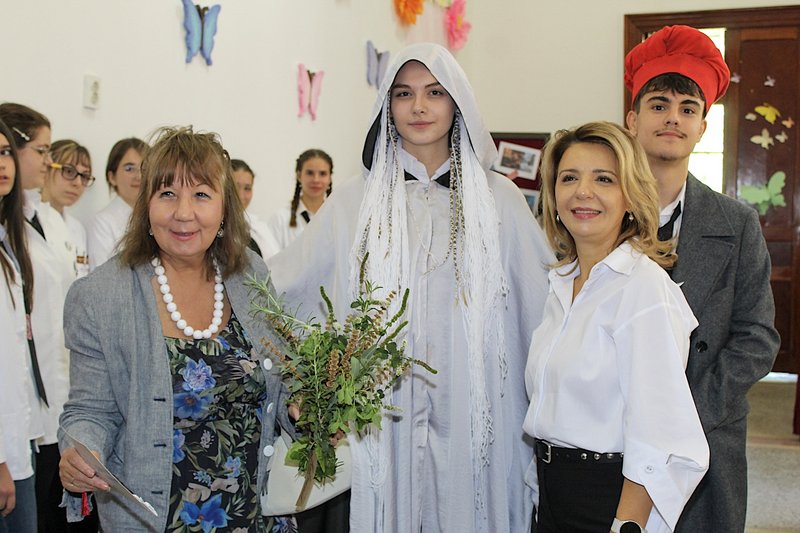
At Costache Negri National College, students organised a performance inspired by Matuf, peruchierul, recreating Lipscani Street as it appears in the novel, with Matuf's wigmaker's shop, stalls selling roasted pumpkin, old objects and period costumes.
Anca Spânu wrote about event
The characters were brought to life, particularly Matuf, Zinca and Nane, accompanied by eighteenth-century music. The students also produced a short film based on an episode from the book.
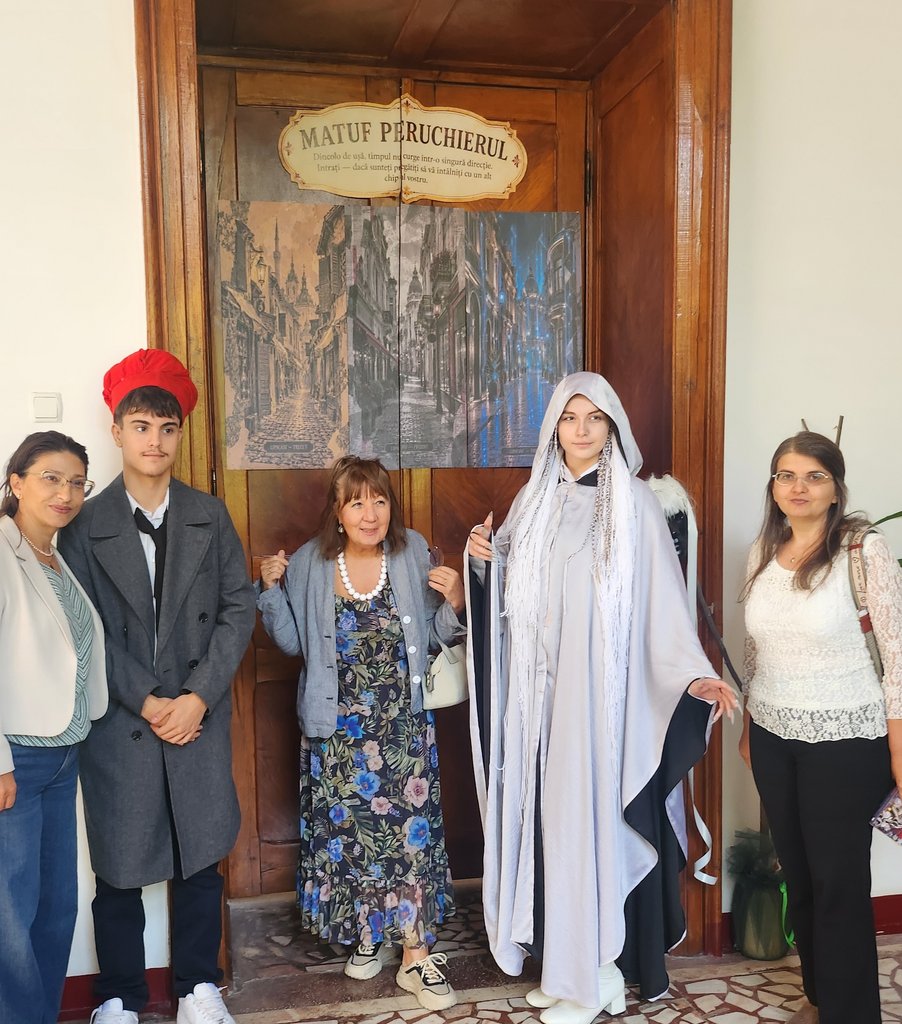
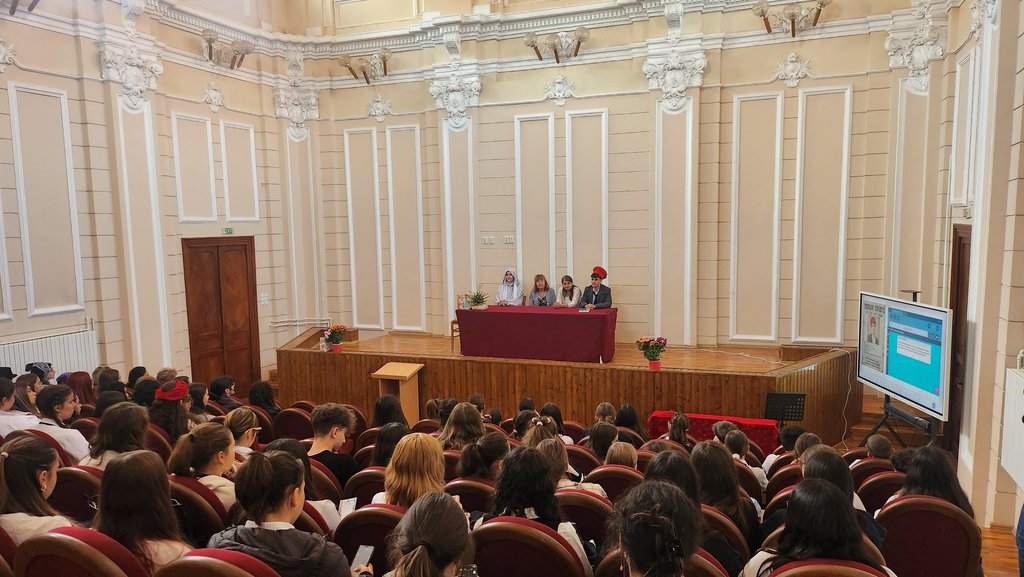
The performance was followed by a conversation between Doina Ruști and the students, with teacher Andra Ionescu joining the discussion. The three central themes were history, identity and artificial intelligence. The conversation also explored character construction, literary symbols and the idea of human transformation.
Doina Ruști gave an interview to the newspaper Viața liberă.
An extensive report was also published by Info4, written by author Adi G. Secară.
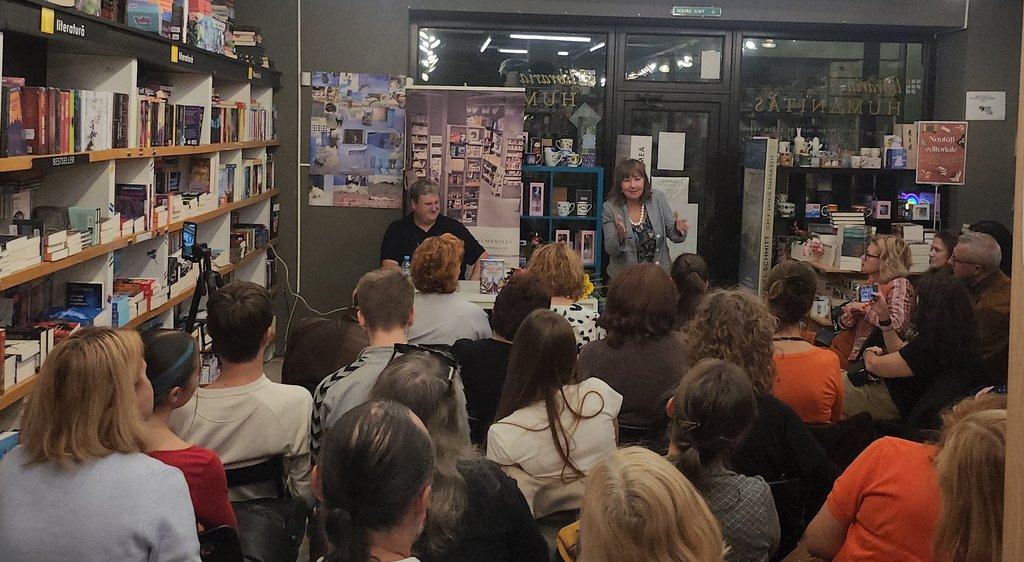
That evening, Matuf, peruchierul was presented at the Humanitas Bookshop in Galați, in a conversation with readers hosted by Doru Căstăian.
“Galați is a city where the Danube seems to have paused for a moment. Along the waterfront, a warm breeze sometimes blows, carrying myths, some of them familiar to me. But there is something else: Galați is where the first monograph devoted to my novels was written, and that calls for a bow.”
— Doina Ruști
Andrei Velea wrote in Info Romania
https://presagalati.ro/doina-rusti-isi-lanseaza-la-galati-noul-ei-roman-matuf-peruchierul/
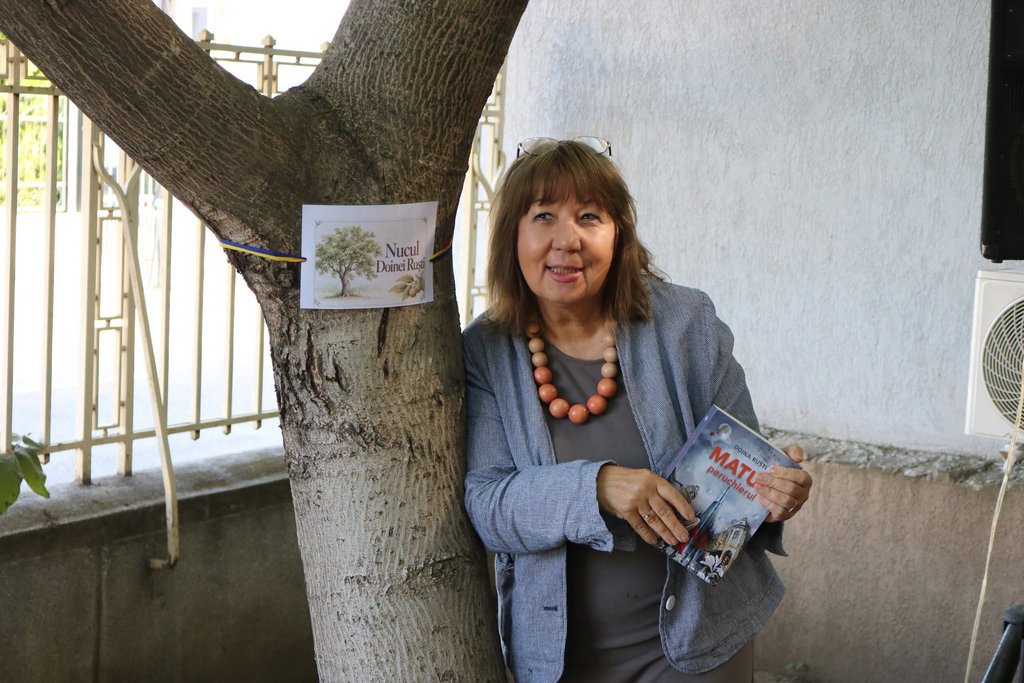
Invited to the I. A. Bassarabescu Library in Giurgiu, Doina Ruști met local students, teachers and readers for a discussion of Matuf, peruchierul.
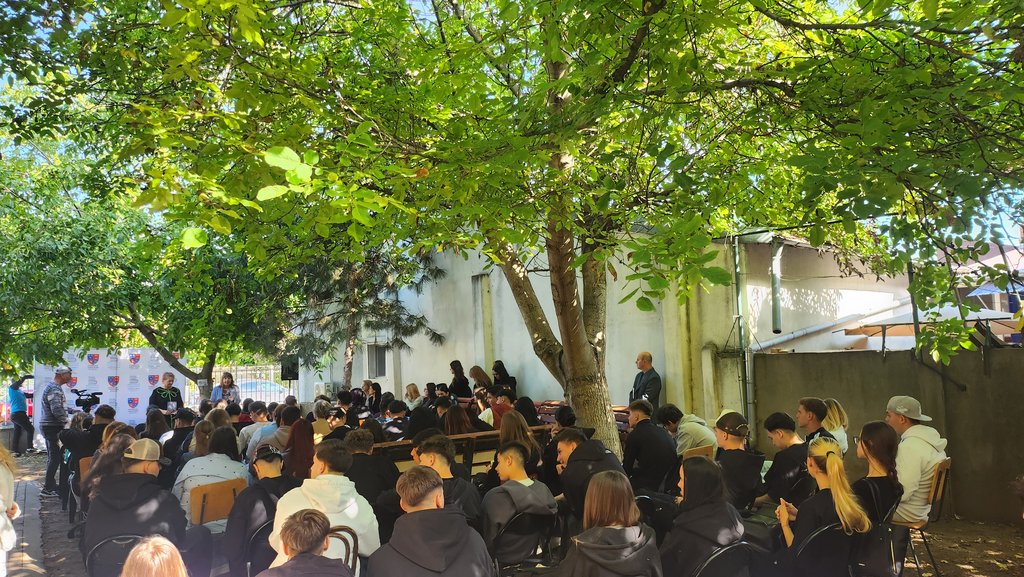
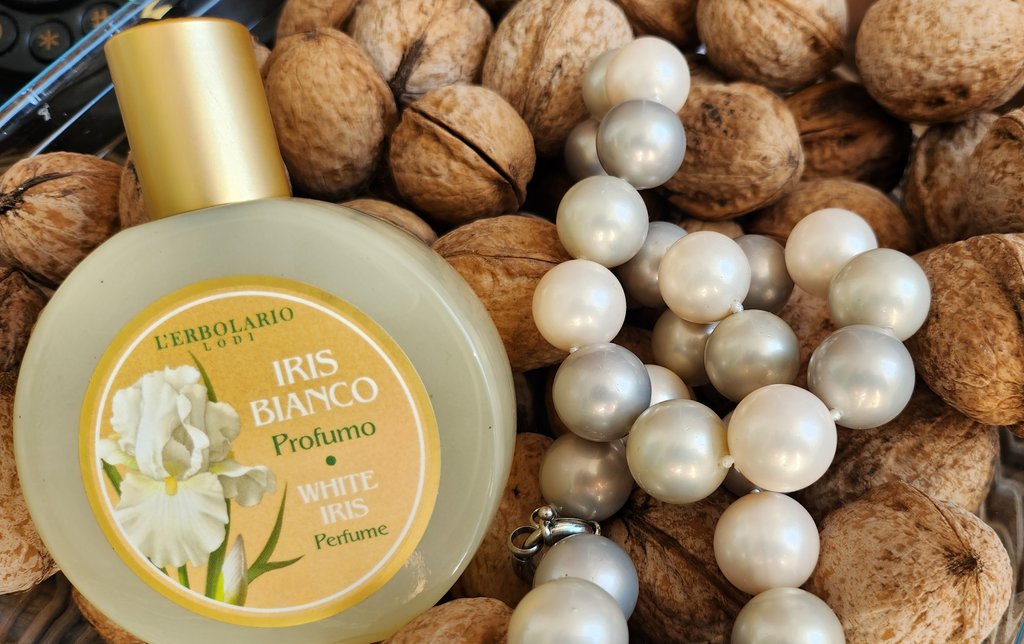
The fantastic is a mode of storytelling, Doina Ruști explained, but its source is reality. Matuf deals with evolution and individual freedom, while every episode is grounded in real events. Even the fragrance of white iris once existed and enjoyed a period of great popularity.
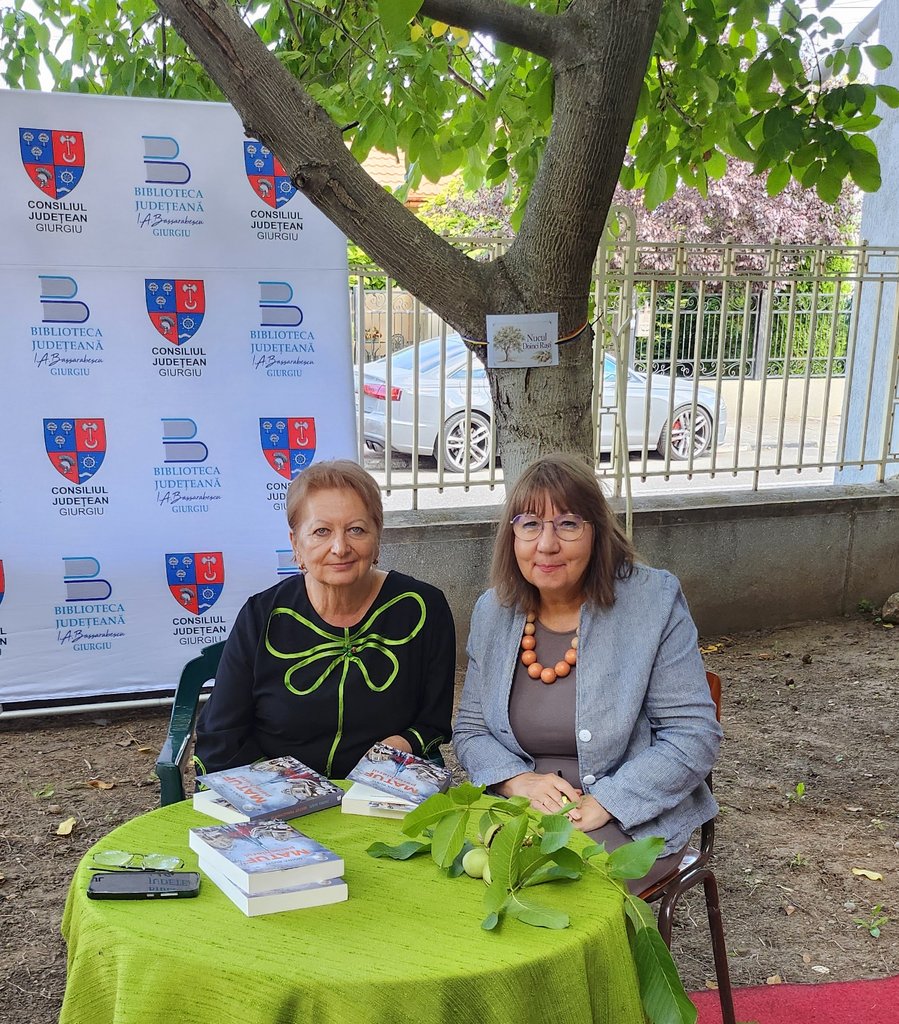
The meeting also included a moving moment: a tree was named after the writer, becoming Doina Ruști's Walnut Tree.
The meeting at Mihai Viteazul National College continued the series of conversations inspired by the publication of Matuf, peruchierul.
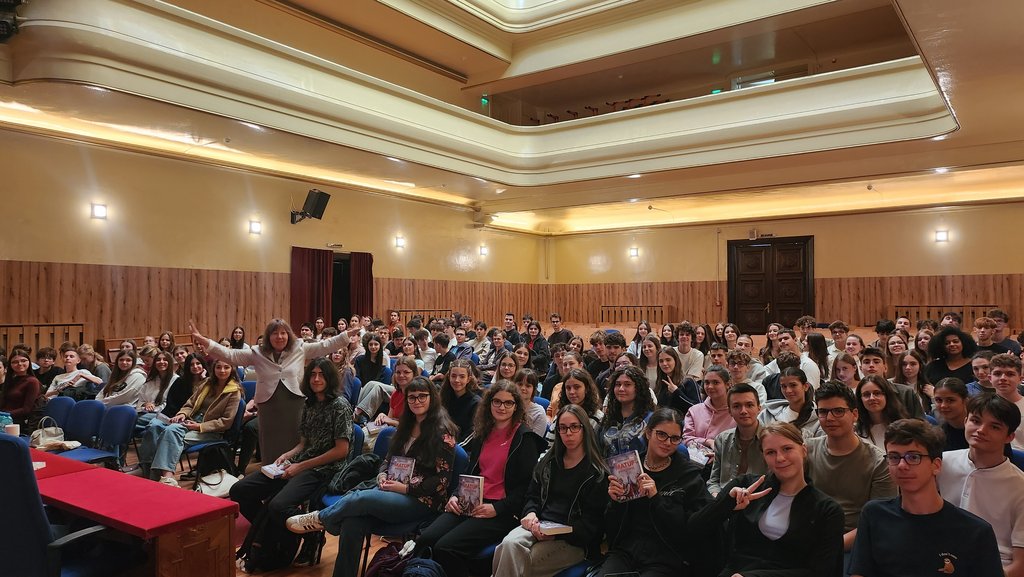
Among the novel's earliest readers were students from Mihai Viteazul National College in Bucharest. Many of them had read the book and invited Doina Ruști to discuss its meaning and symbolism.
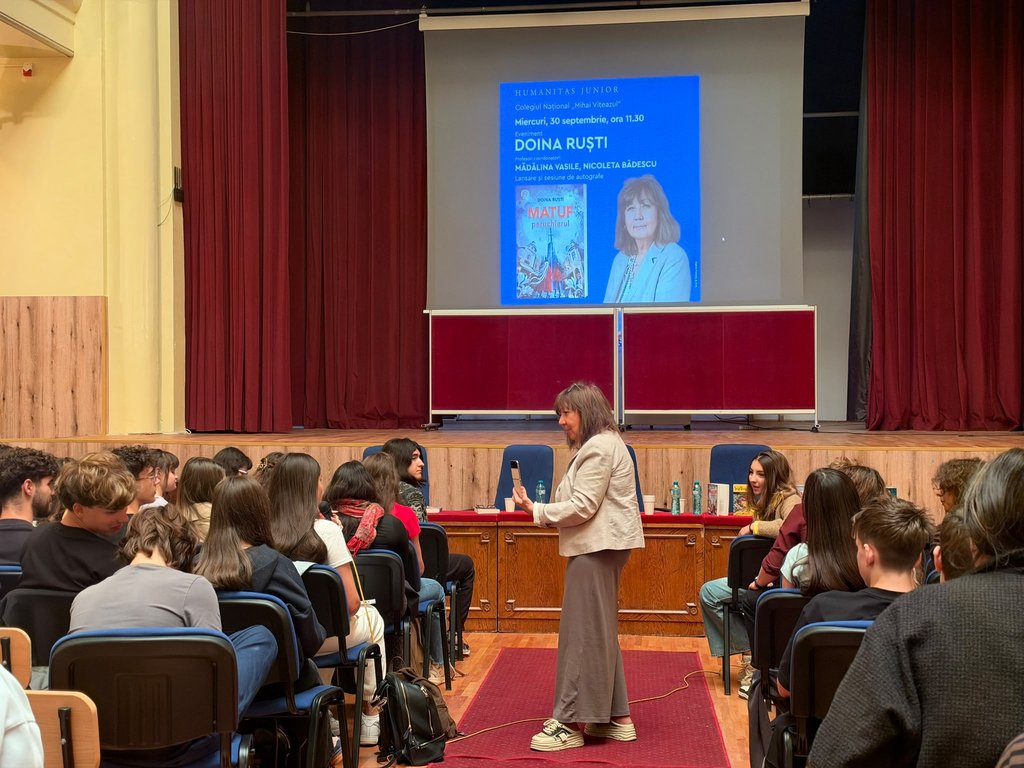
The conversation focused on artificial intelligence and the reconstruction of the Phanariot period, in an event organised by teacher Mădălina Vasile.
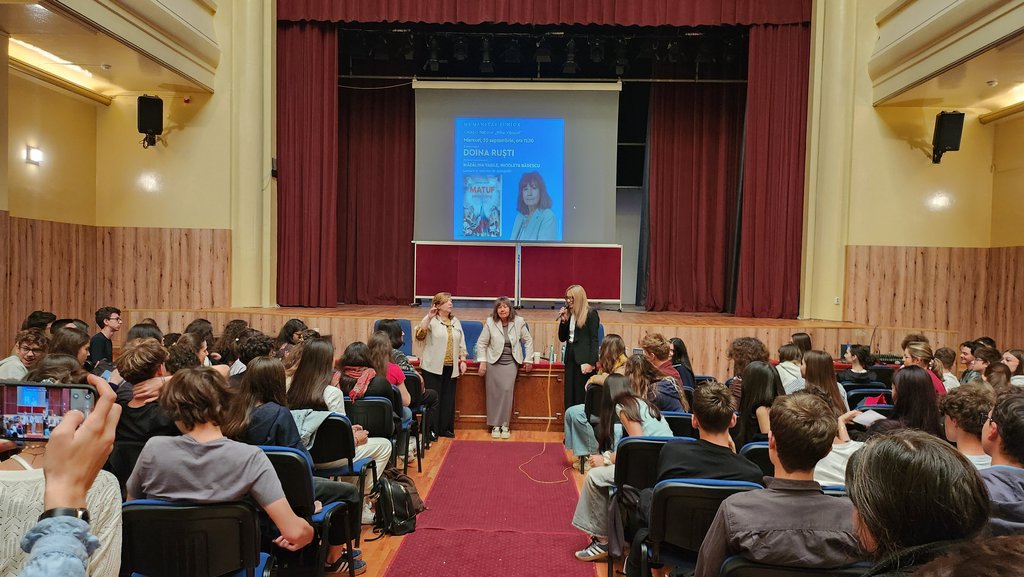
The novel was enthusiastically received, and the students asked numerous questions about its characters and symbols. Magical hair, the Dream Bird and time travel were among the images discussed, alongside the characters' identities and the relationship between past and future.
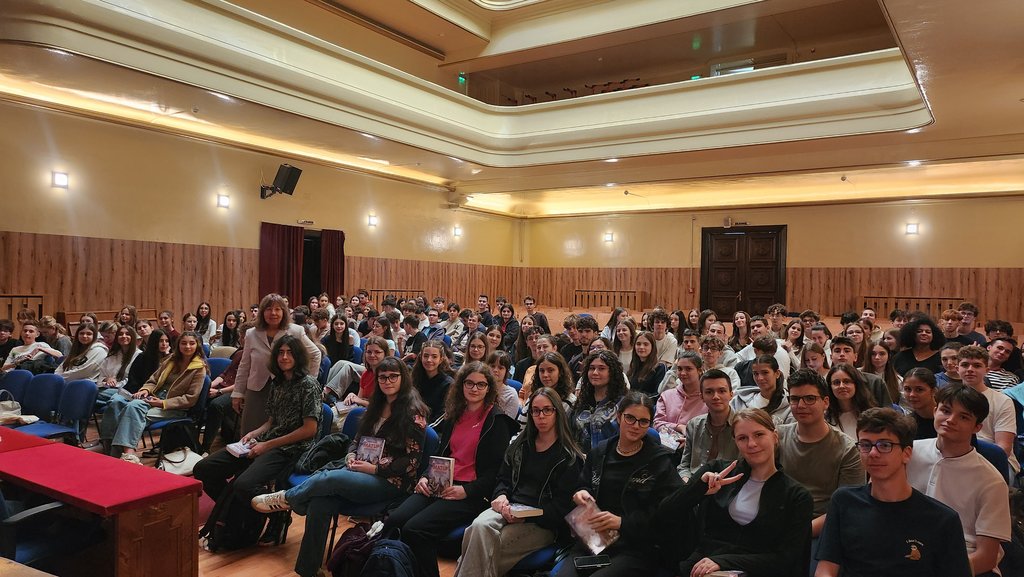
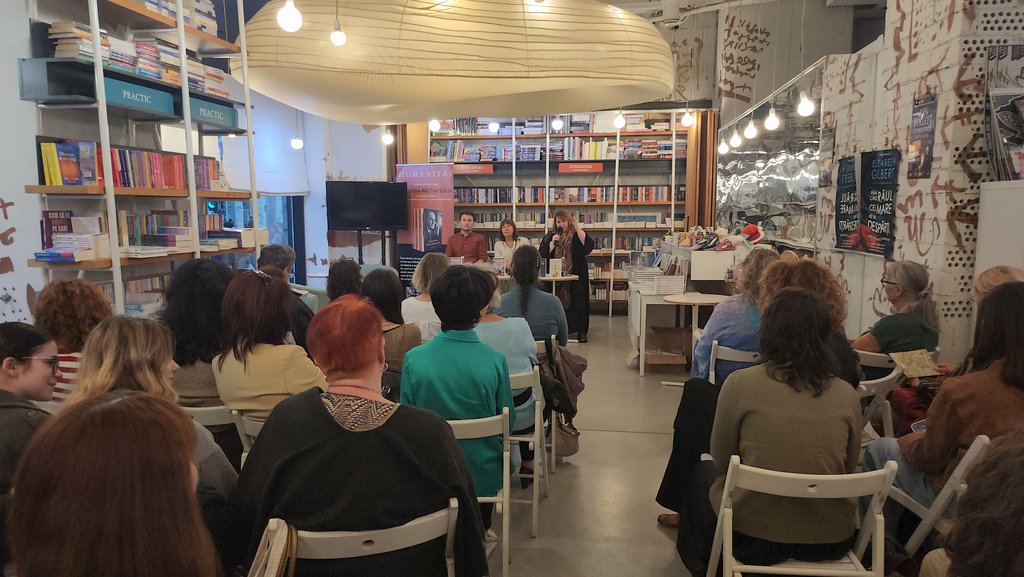
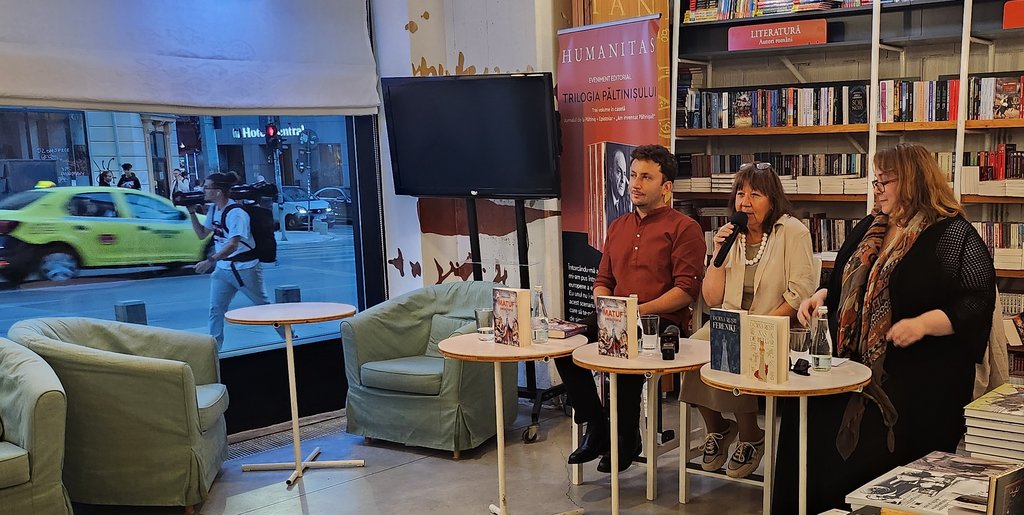
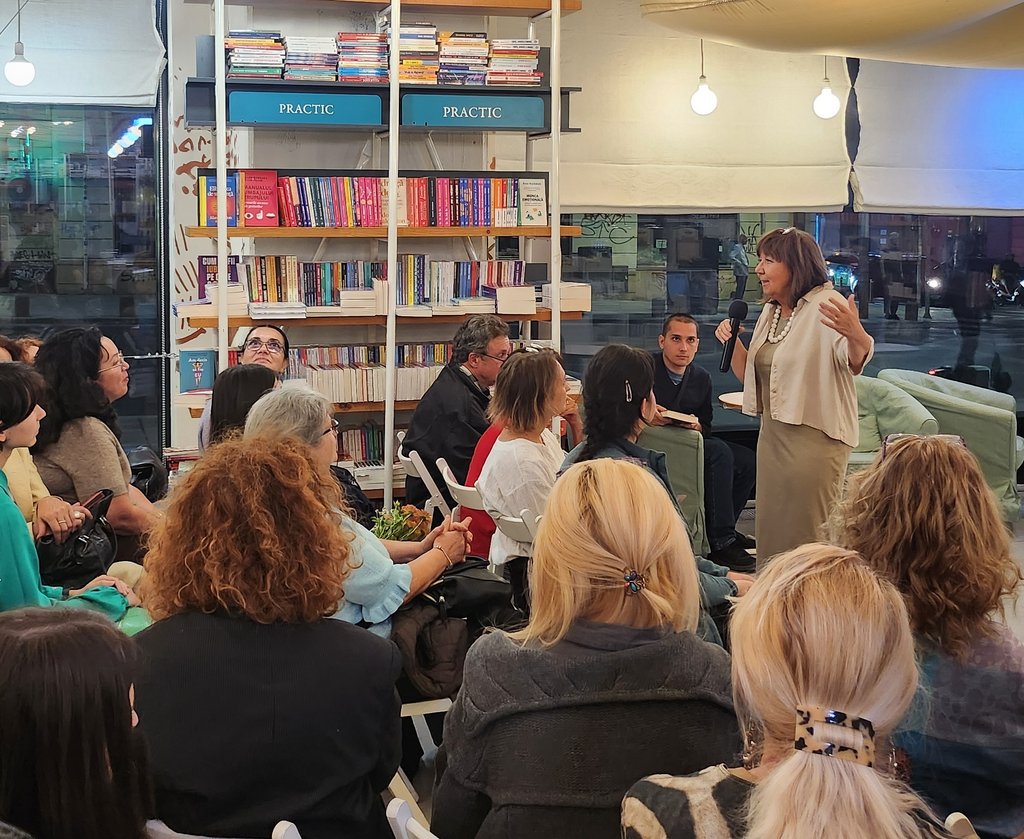
On Thursday, October 1, 2026, at 6:30 p.m., Doina Ruști met readers at the Humanitas Bookshop near Cișmigiu Gardens in Bucharest, which was filled to capacity for the event.
The event took the form of a conversation about Matuf, peruchierul, focusing on identity and artificial intelligence, time travel and, above all, the Phanariot period.
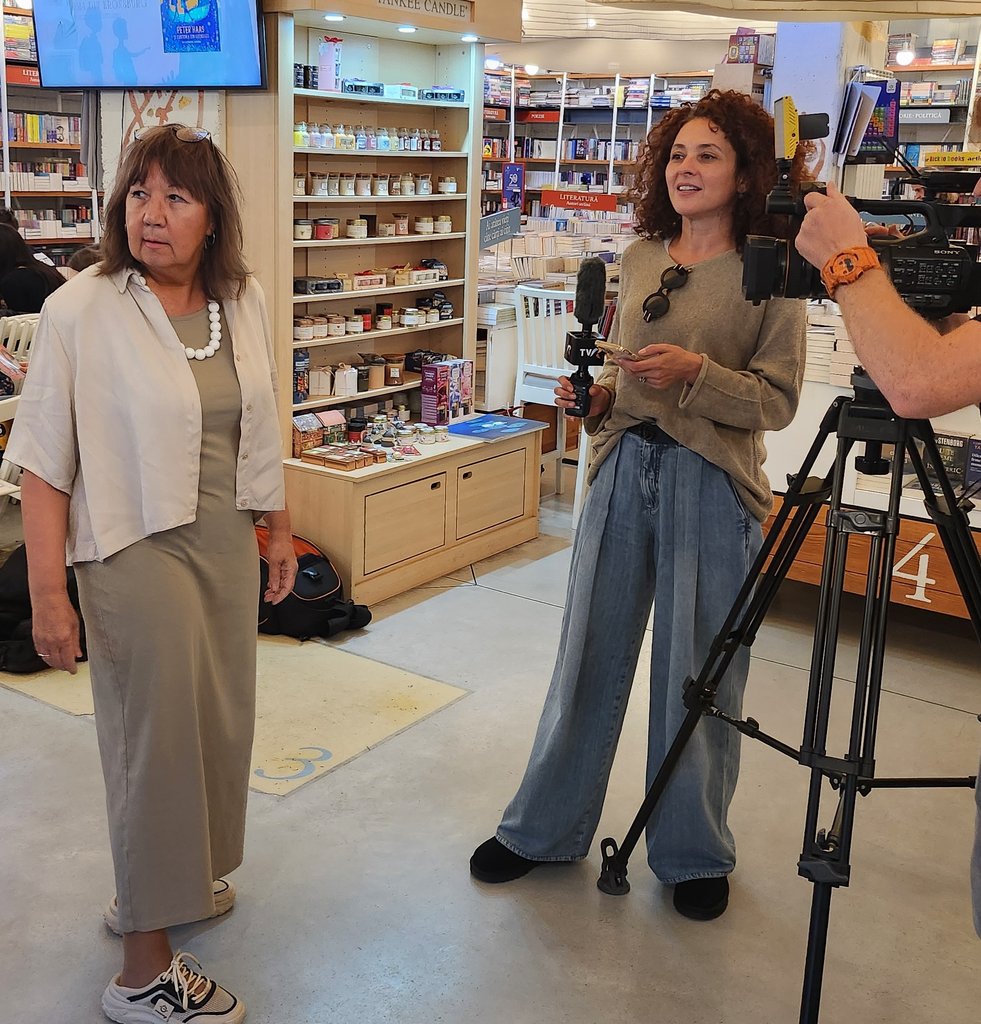
Joining Doina Ruști were Dragoș Păduraru, a teacher at Sfântul Sava National College, and Iustina Croitoru, director of Humanitas Junior.
The speakers also discussed Matuf, peruchierul as a speculative thriller for readers of all ages, particularly young people. The conversation highlighted how fantastic adventure can become a way of exploring history and the technological possibilities of the future.
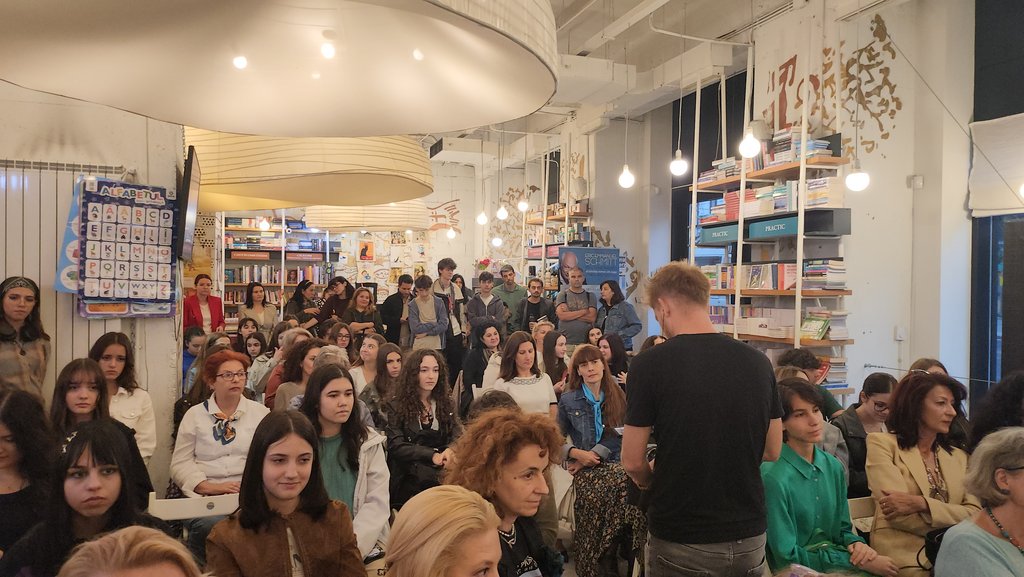
Participants received a map of Lipscani Street featuring locations and elements from the novel.
“The blazing midday light had put us both in a cheerful mood. We were walking along Lipscani, talking loudly. I wanted to call Nane and ask him to join us for pizza. We were approaching the place where I had entered her world, and suddenly it struck me: everything had happened there. My wigmaker's shop had stood here, Nane's bakery across the street, and Zinca had lived next door. As I looked along the street, letting the images settle into layers, I began to understand the changes. Houses rose along the street, others vanished. There had once been gardens, and there would be gardens again. Master Limes's garden suddenly came to mind. What if we were on the same street? In another time, on another level of history?”
— Matuf, peruchierul
Media partner:
UrbanView
Your advertising in motion
The programme in Sibiu on October 6 included two events.
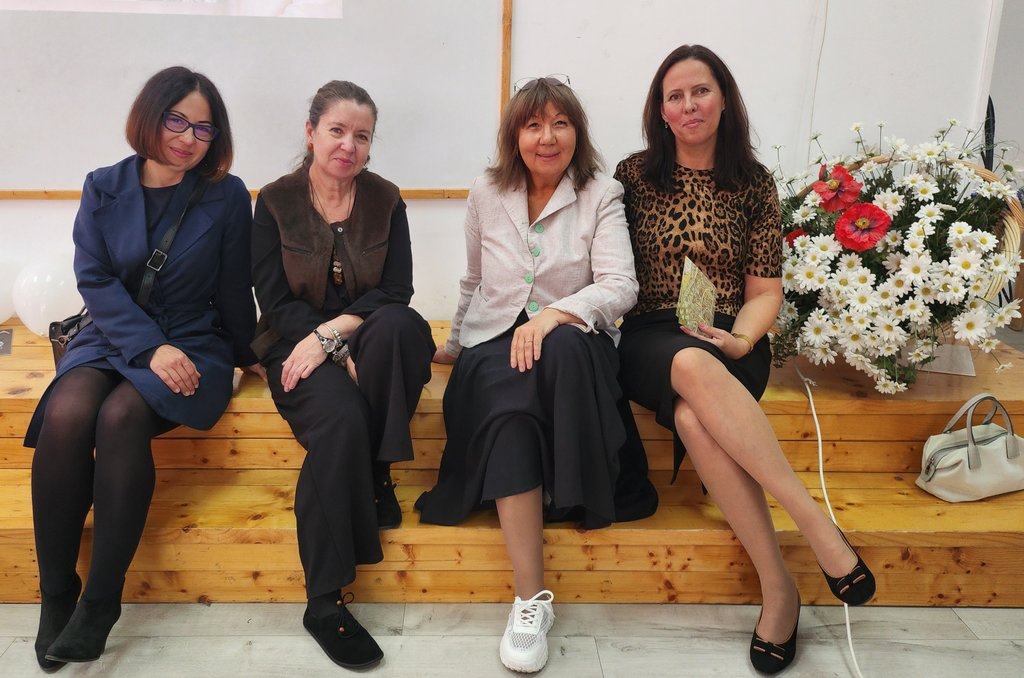
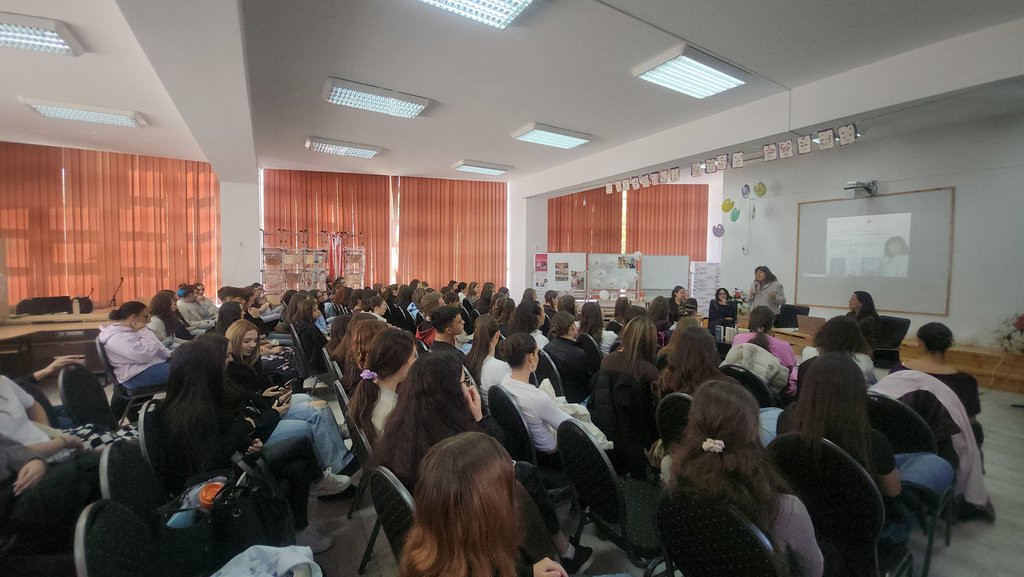
The first took place at Andrei Șaguna National Pedagogical College, where Doina Ruști met students alongside teachers Camelia Moga and Adela Dinu, and the school's principal, Mihaela Filip.
The discussion began with artificial intelligence and moved towards the meaning of history, the ways in which fiction can reconstruct the past and the transformations of human identity.
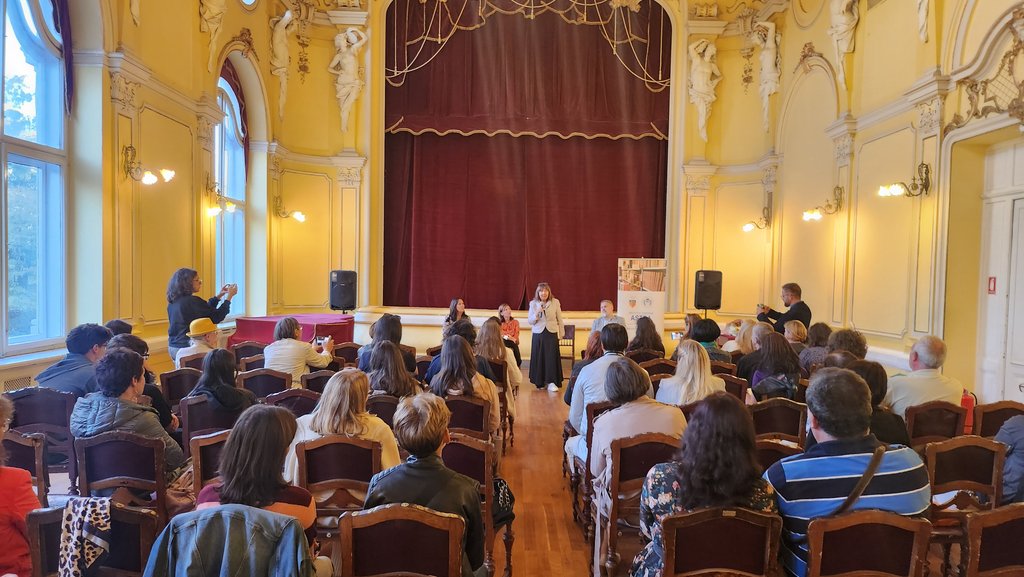
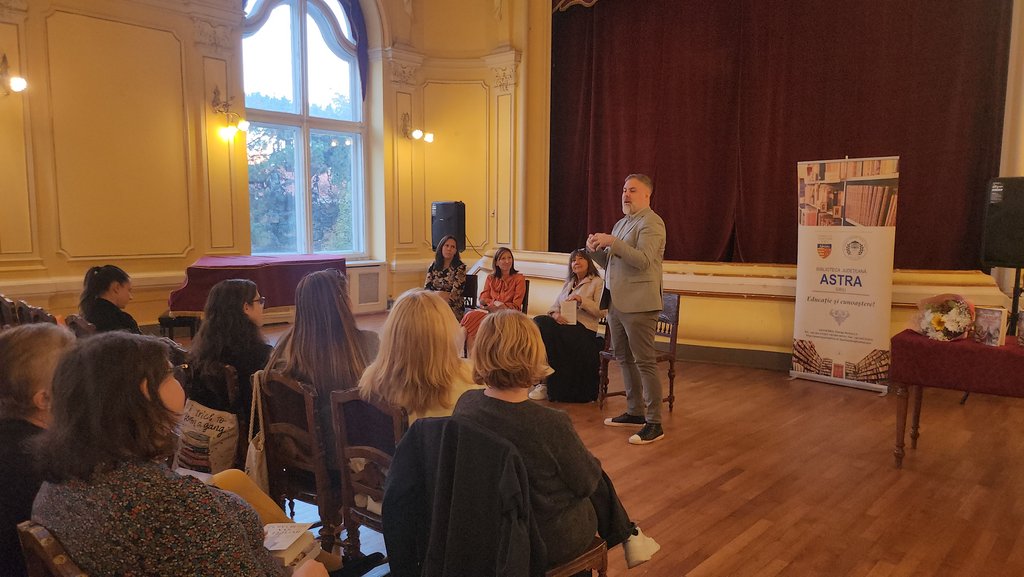
In the evening, the conversation continued in the Festive Hall of the ASTRA Library, where the novel was presented in a debate about history, identity and artificial intelligence. More
Among other things, a perfume merchant showed up, and that’s how I ended up with Mavrogheni’s perfume.
Joining Doina Ruști were historian Răzvan Pop, Alina Bako, a specialist in literary geography and university lecturer in Sibiu, and teacher Camelia Moga.
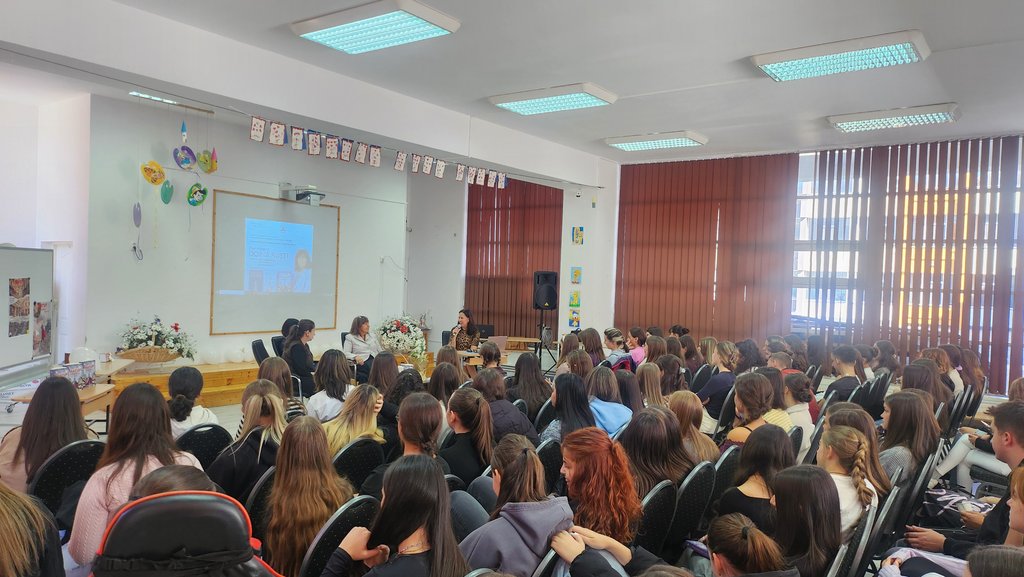
Part of the conversation explored the symbolism of hair, an apparently ordinary element that becomes the starting point for an entire fantastic narrative. The speakers also discussed the connections between historical crafts, human memory and contemporary technology.
“Sibiu is the city where everything is serious and profound.”
— Doina Ruști
Members of the iCarte, iParte book club also attended the event.
Read more here.
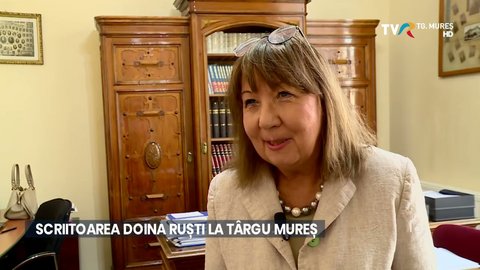
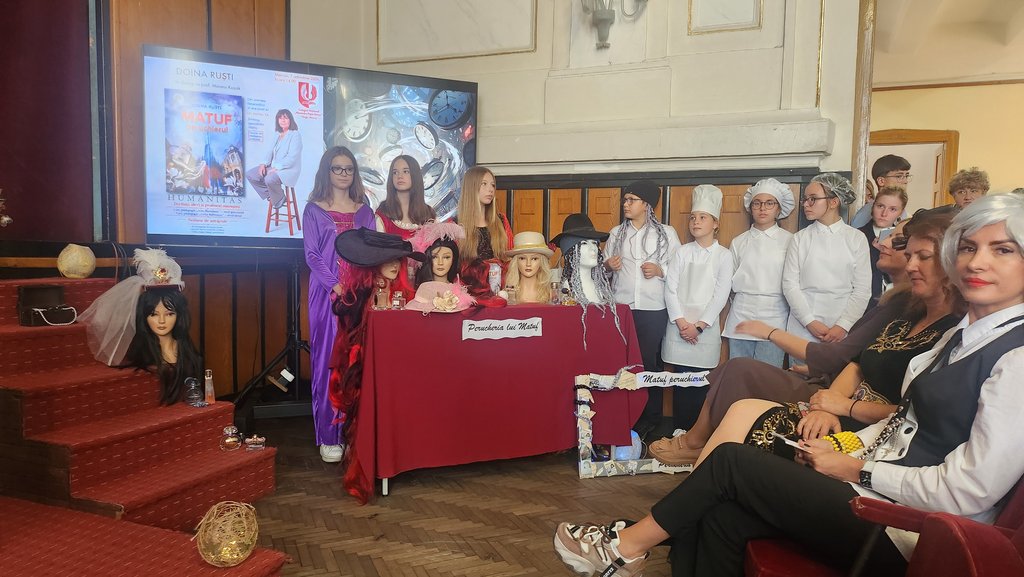
At Alexandru Papiu Ilarian National College, Doina Ruști met students and teachers from Târgu Mureș for a discussion of Matuf, peruchierul, as part of a county-wide teachers' forum. Her main interlocutor was Dr Mioara Kozak, school inspector for Romanian language and literature.

The conversation focused on history, identity and artificial intelligence, three themes that converge in the novel about the enigmatic wigmaker and Nane's journey from the eighteenth century to the present.
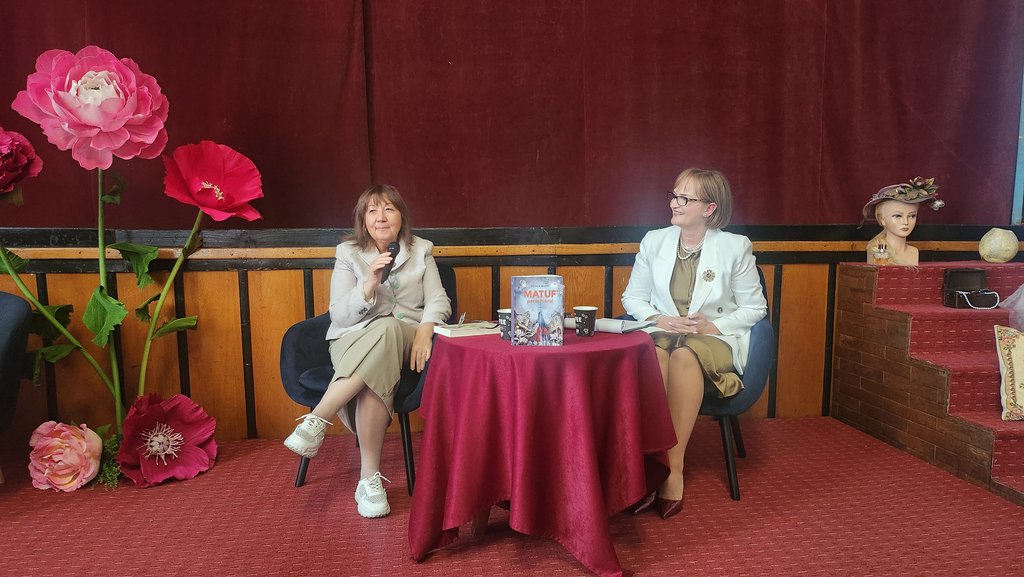
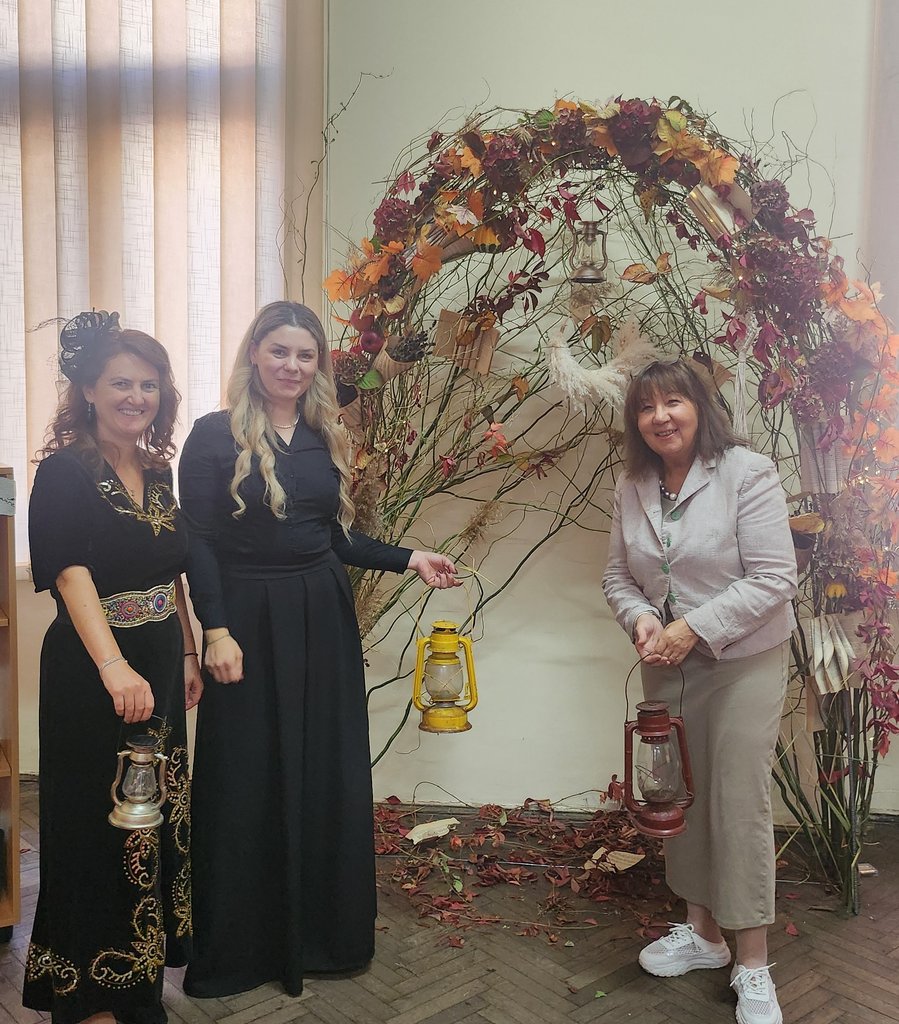
The event included a recreation of the novel's atmosphere. Characters, dramatic scenes and performances accompanied the discussion, in a fantastic setting featuring an autumnal portal and numerous recreated shops.
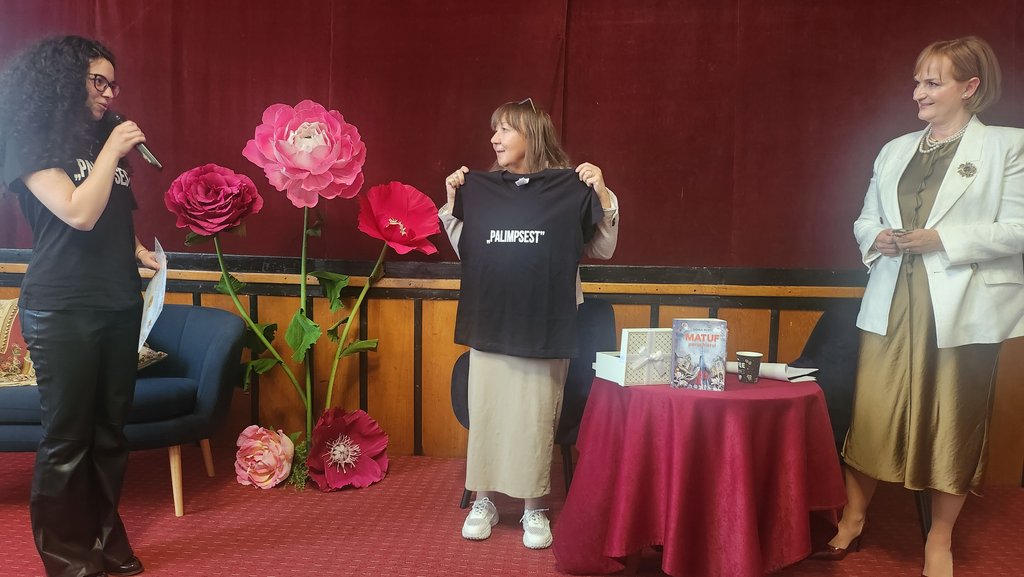
Mioara Kozak offered an analysis of the novel's polyphonic structure, observing how each narrative voice already contains the next. The transition between narrators thus emerges from within the fiction itself, as the characters gradually take over the act of storytelling.
Doina Ruști discussed the origins of Matuf, a character who first appeared in a short story published in 2003 and later returned in The Book of Perilous Dishes (Mâța Vinerii). She also explained her intention to create a novel unlike her previous works, a narrative experiment in which each character becomes a storyteller in turn.
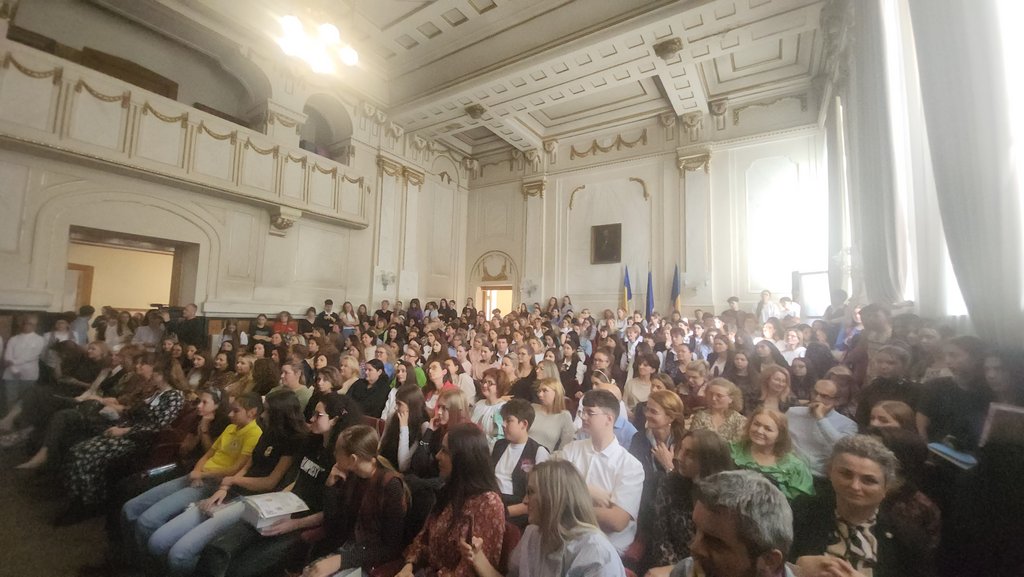
The event was opened by the school's principal, Cristina-Ligia Someșan, and attended by students and teachers from several schools in Mureș County. The meeting concluded with a book-signing session.
See more here, and especially in the extensive report by Alexandra Bordaș, published in Zi de Zi Mureș.
Doina Ruști also gave interviews to TVR Mureș and M9 TV.
In Cluj-Napoca, Matuf, peruchierul became the starting point for three events with different audiences: school pupils, university students and general readers.
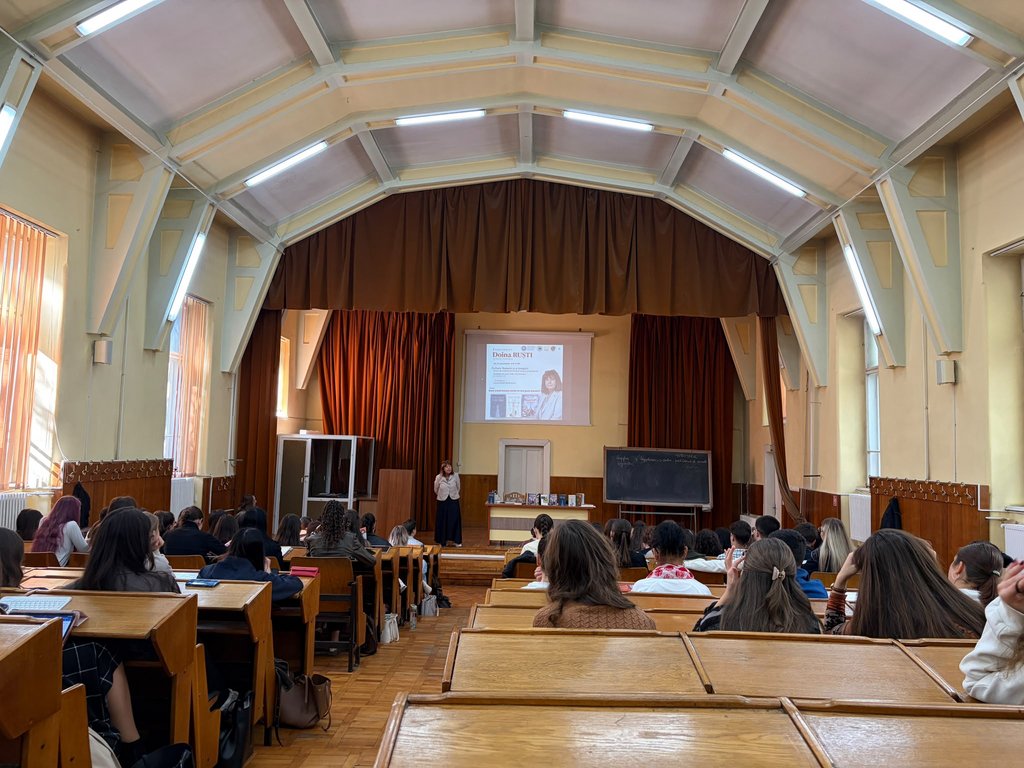
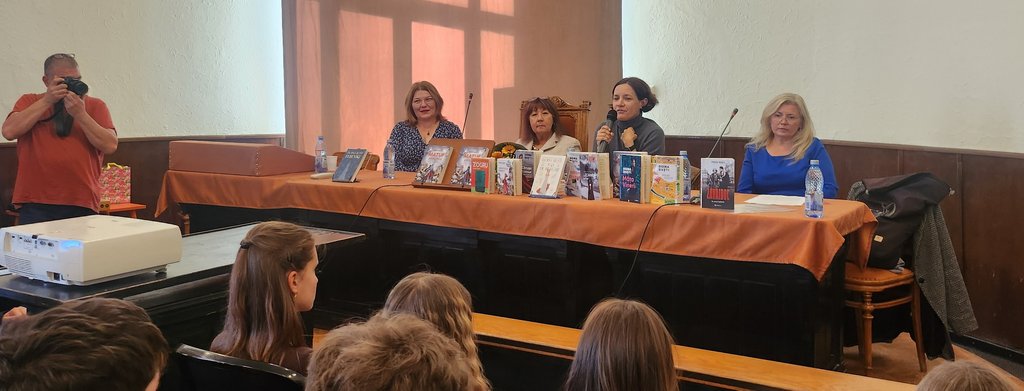
The first discussion took place at the Lucian Blaga Central University Library, with the participation of Smaranda Graur, school inspector, and teachers Alina Petri and Iulia Pop. The subject proposed to the students was the relationship between artificial intelligence, history and human identity.
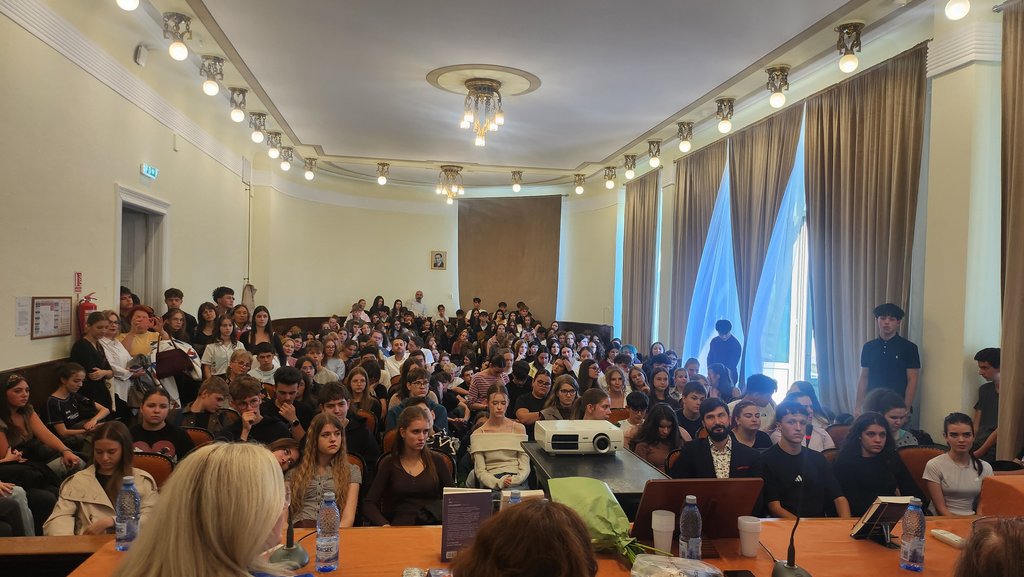
At the Faculty of Letters of Babeș-Bolyai University, Doina Ruști was invited to the Circle for Old and Premodern Romanian Literature, in a meeting initiated and moderated by Dr Laura Zăvăleanu, as part of the Culture of Text and Image series.
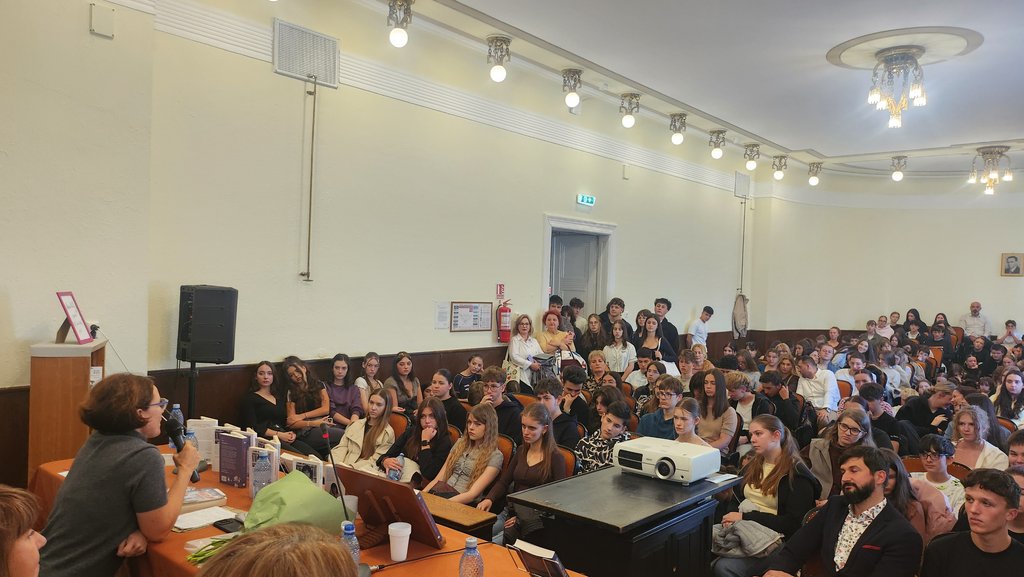
The discussion was entitled “What Does the Old World Look Like in the Posthuman Age?”
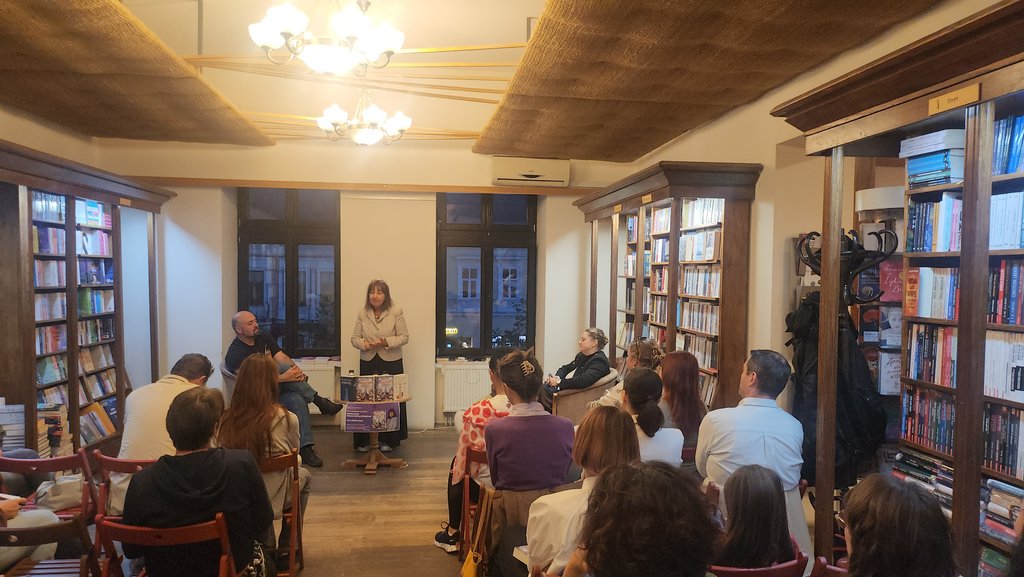
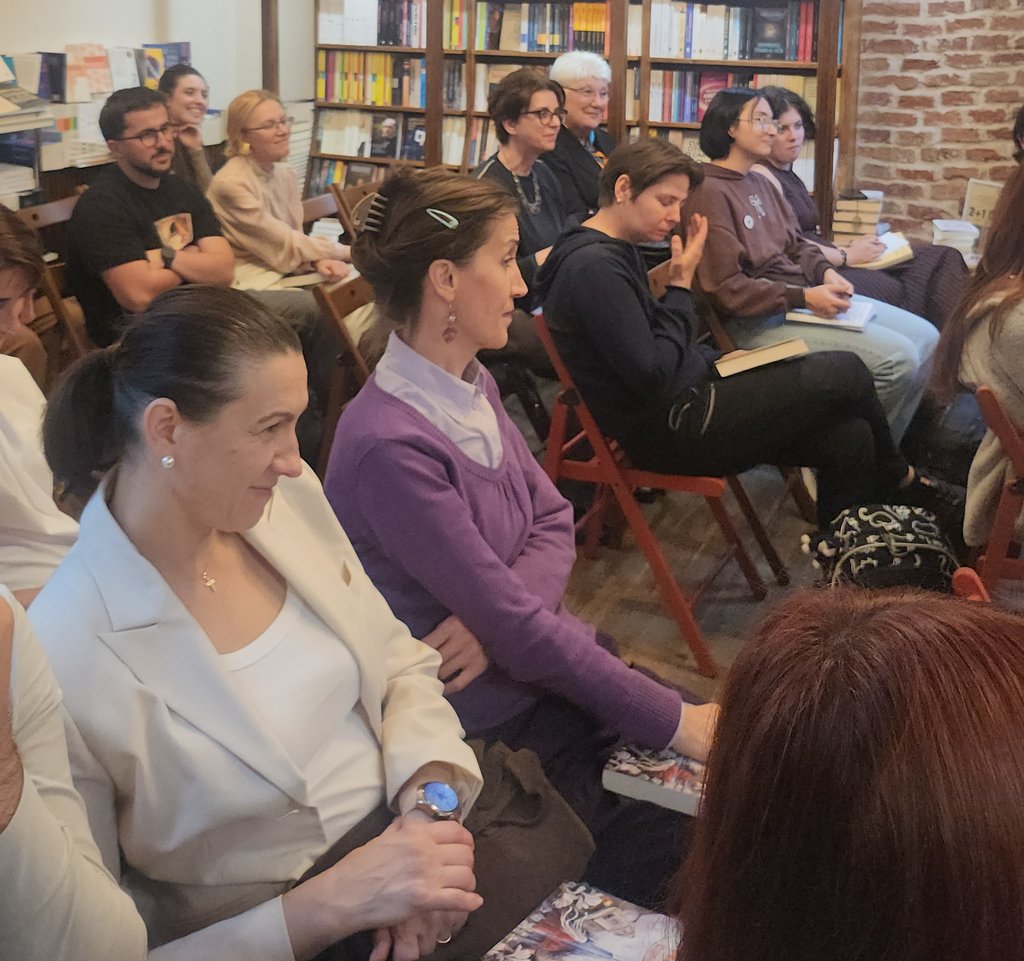
In the evening, the Cluj launch of the novel took place at Book Corner Librarium, in a conversation with Vasile Hotea-Fernezan.
The movement from academic studies of the old world to questions about the posthuman highlighted one of the novel's central ideas: past and future are not entirely separate worlds, and fiction can establish connections between them. In Matuf's universe, the objects, crafts and characters of the Phanariot period become part of a reflection on human transformation.
Reports on the Cluj events appeared in the newspaper Făclia and on TVR, in the programme Transilvania culturală.
The October 6–9 tour concluded in Alba Iulia, with an event at the Prichindel Puppet Theatre as part of Alba Dialog Fest.
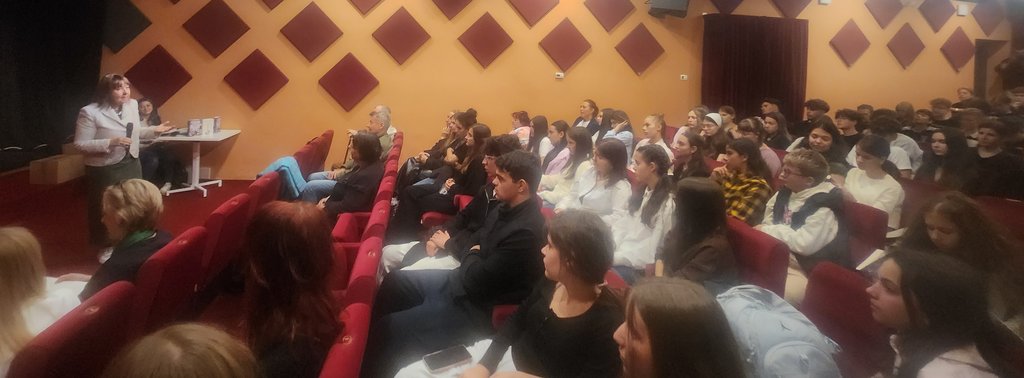
The theatre was filled to capacity, and the meeting unfolded in an atmosphere of lively excitement, with numerous questions from the audience.
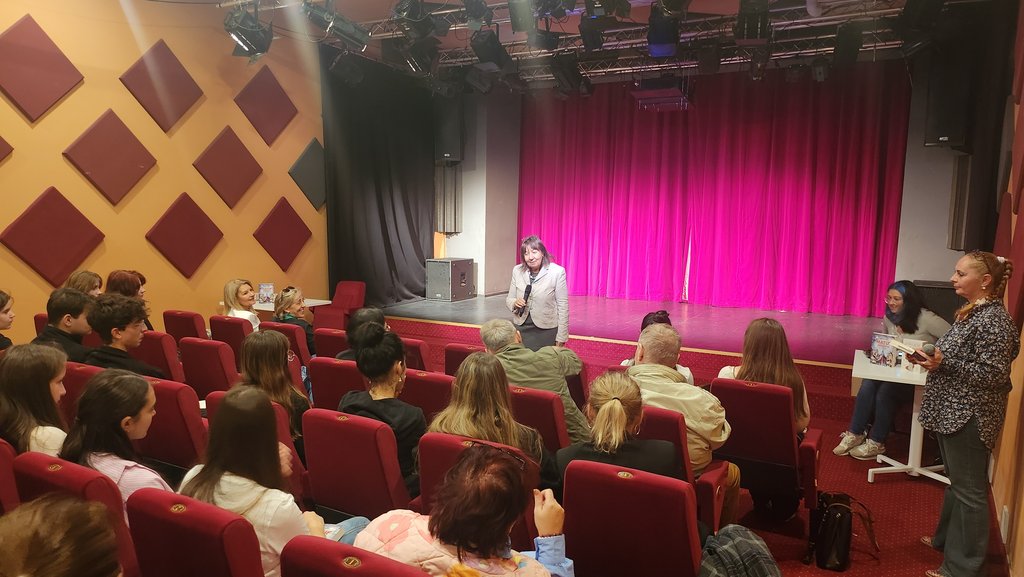
Doina Ruști was joined by Cristina Smadea for a discussion about history, identity and artificial intelligence.
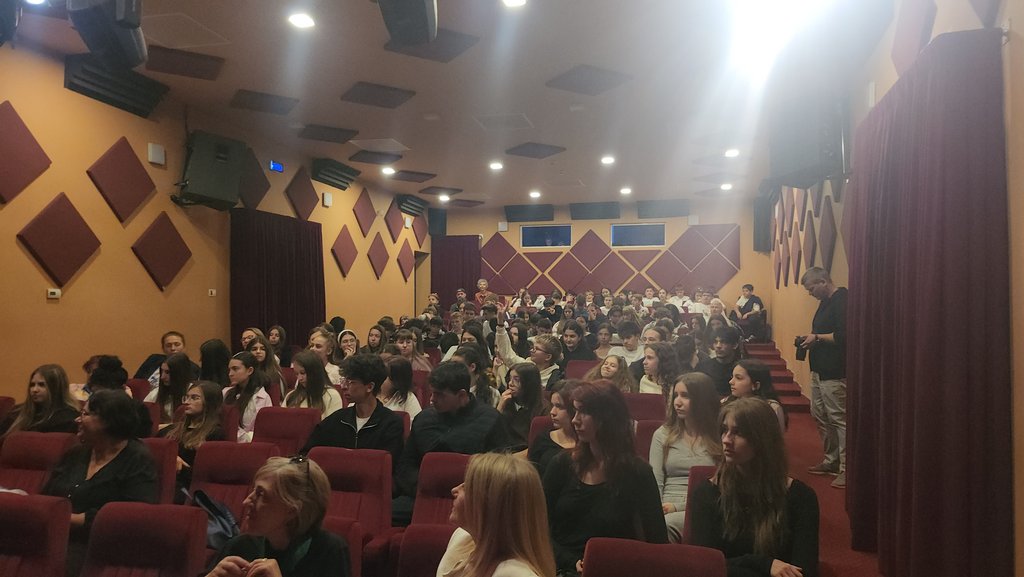
Beginning with Matuf, peruchierul, the conversation explored human transformation, the passage of time and the relationship between the historical world and future technologies. The many questions from the audience turned the event into a lively exchange of ideas, reflecting readers' interest in the novel's speculative themes.
The event was featured in Zile și Nopți.
In eighteenth-century Phanariot Bucharest, a mysterious wigmaker's shop appears, belonging to a merchant named Matuf.
Nane, a baker's son, lives across the street and notices that people entering the shop come out changed: younger, older, sometimes almost unrecognisable. Others disappear without a trace, including the girl he loves. Determined to discover the truth, Nane enters the shop and finds himself in present-day Bucharest.
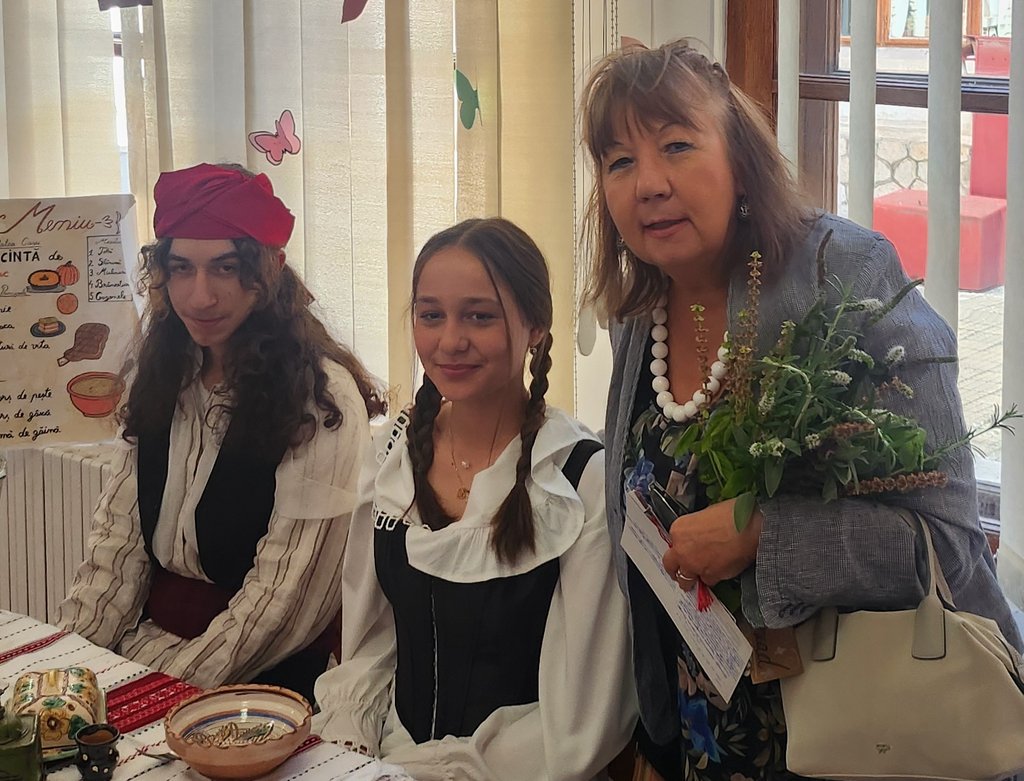
Matuf, peruchierul is a speculative thriller about history, the future and artificial intelligence, written for readers of all ages, especially young people.
“I wanted to write a novel for young readers, but one that adults would enjoy too.”
— Doina Ruști
Matuf, peruchierul, Humanitas Junior, 2026.
Doina Ruști gave an interview to the newspaper Viața liberă.
The major international literary event of the autumn is FIL Guadalajara, Mexico's international book fair, the Feria Internacional del Libro de Guadalajara, where Doina Ruști has been invited to take part in several events. As the novelist pointed out in her interviews, the fair offers another opportunity to meet writers, readers and publishers from around the world.