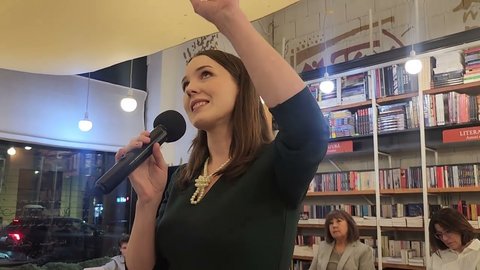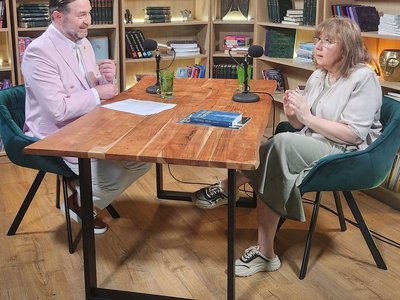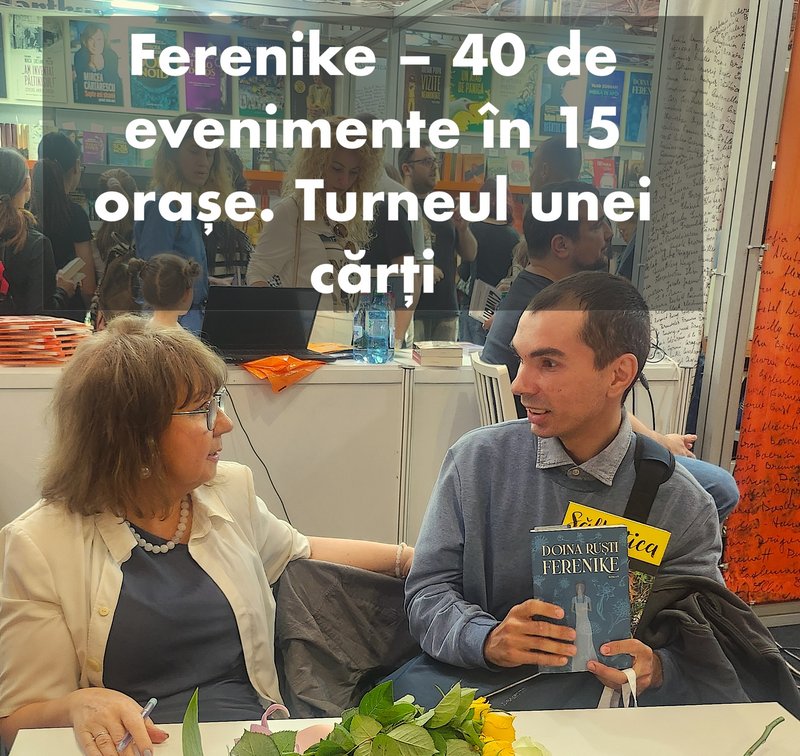
I travelled around the country with Ferenike, introducing her to readers, giving readings and interviews. Now we can say goodbye. I'm sure we'll write to each other over the summer, when I hope you'll read Sălbatica too.
I recently completed Ferenike's tour, after nearly 40 different events, from meetings with readers to interviews, broadcasts and personal conversations.
Here is a short film of some of the most important moments.
Looking back, between February and June I passed through 15 cities, carrying away the scent of a singular experience.
Ferenike was published by Humanitas on 6 February 2025.
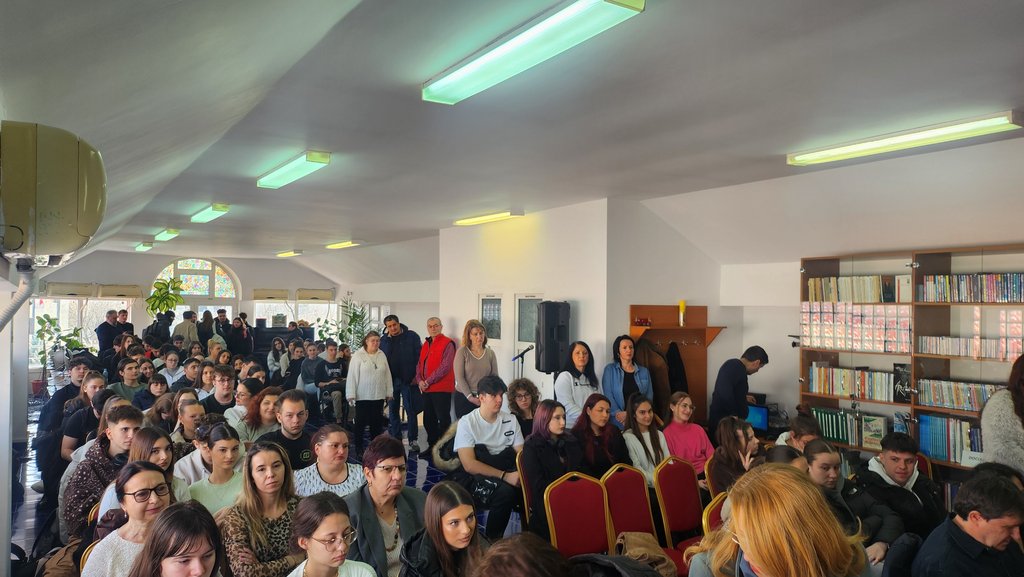
The journey began at Giurgiu's city library. I was delighted to see old friends again, among them Ella Mihalcea, the remarkable mayor Adrian Anghelescu and the librarians with their heads full of books. I also met the teachers of Giurgiu again, some of them writers themselves, and their pupils, who had discovered my work through Platanos and were now reading Ferenike. Amid all the conversations, there was even a cake with the cover of Ferenike on it.
Adriana Irimescu and I walked through Bucharest, from Cișmigiu to Crețulescu and the MNR, before going into the TVR studio. The result was a film worth keeping. You can watch it here.
Next came the launch at Humanitas, with actors, friends and plenty of conversation, as you can see here:
https://www.youtube.com/watch?v=o2p_9jl6GqU
It was 20 February, seven in the evening, and the Humanitas Cișmigiu bookshop looked like a stage. We played a storytelling game based on the novel, called In Search of the Character. Claudia Ene and Raoul Alexis Ipate, actors at Bucharest's Elisabeta Theatre, led the search, joined by Lidia Bodea, director of Humanitas, and the writer Roxana Dumitrache. And, above all, by everyone who stops by the bookshop on a Thursday evening.
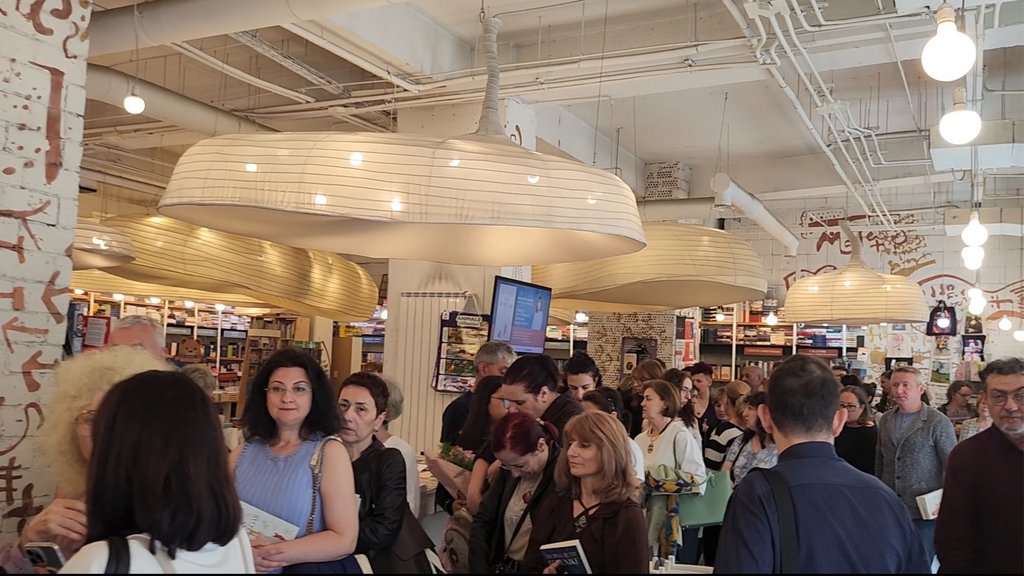
The Humanitas launch of Ferenike
My conversation with Anca Mateescu took me back to my writing workshop and prepared me for the meetings ahead. Look how relaxed I was at the end of the programme:
At the library in Brașov I received the most moving applause. I was there with Ruxandra and Daniel Nazare, Adrian Lesenciuc, Dana Mocanu and so many teachers dear to me: Evelina Cârciu and my old friend Cezar Boghici, but especially Mădălina Drăghici, without whom I cannot imagine a visit to Brașov. There was also Cristina Petruț, who used to welcome me to that famous bookshop in Timișoara, with its vast basement full of writers and life.
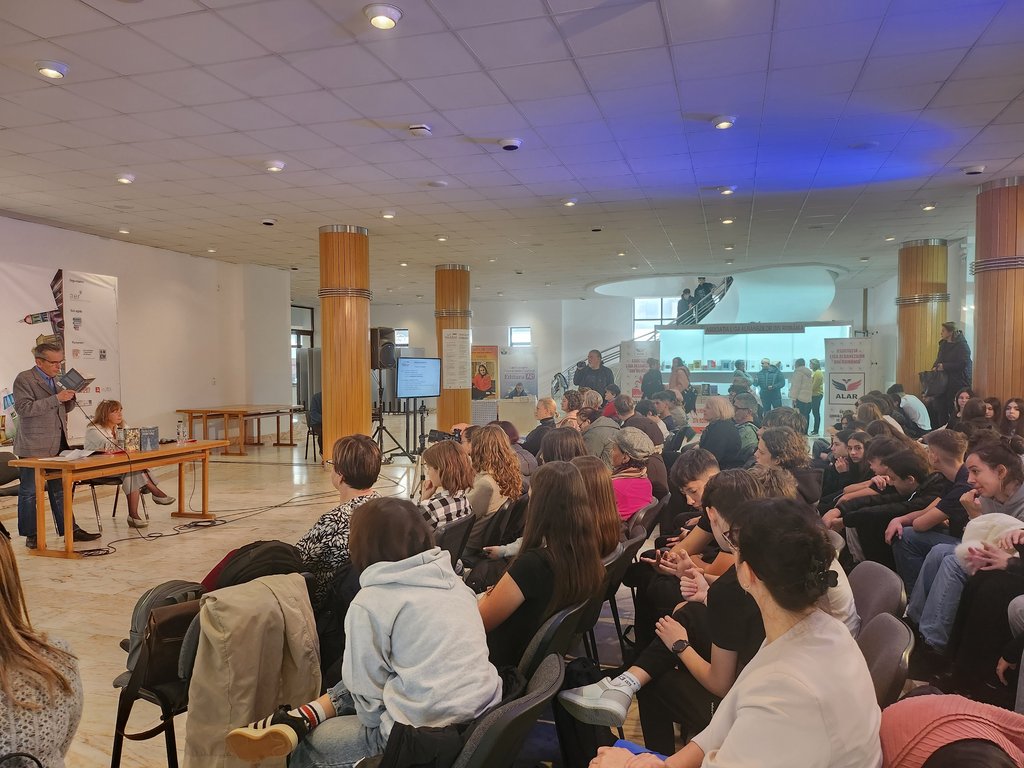
Brașov, February 2025
With Adrian Lesenciuc
More meetings followed, including one at Libris with Dana Anghelescu. I had tea with Carmen Gheorghe, then an unexpected experience at the Humanitas bookshop. Alongside Vakulovski and our hosts, I met my old friend Virgil Borcan, Carmen Andrei, who was passing through, Iulia Anghel, and many others. I can hardly remember everyone: Adina was certainly there, along with a few shadows that have clung to the city's walls since medieval times.
Anca Orheian then invited me to Digi for an episode devoted to Ferenike. Here it is:
Open Stage, with Anca Orheian
At Digi I also ran into former students and two old friends, Cristi Toporan and Florin Țolaș.
Then came a few book clubs, with almost intimate conversations and very specific questions about Ferenike.
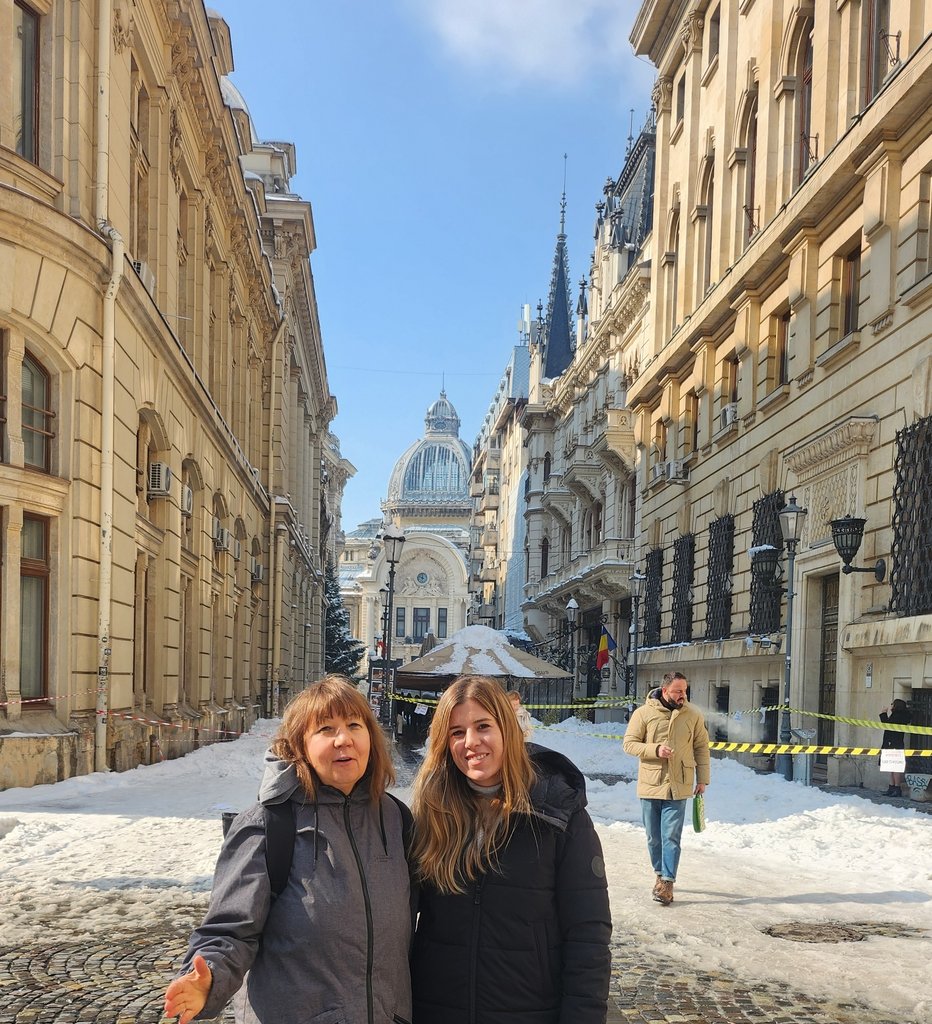
The snow came down, the world grew unsettled and politics moved to centre stage. Anna Buj flew to Bucharest to ask me this and that for a newspaper in Barcelona. Naturally, I told her about Ferenike. :)
On Thursday, 27 February, at 12:30, I arrived in Focșani. The National College “Unirea” is an old school that seems to belong to another world. Distinguished teachers, a wonderful audience, bright pupils: alongside my old friend Ica Savin, I had an unexpected meeting with Costi Rogozanu.
A building full of secrets, teachers of the old school, clever pupils. Each student has left a message on the outer wall. The building is so large that I think there will still be room for the students of the next few decades.
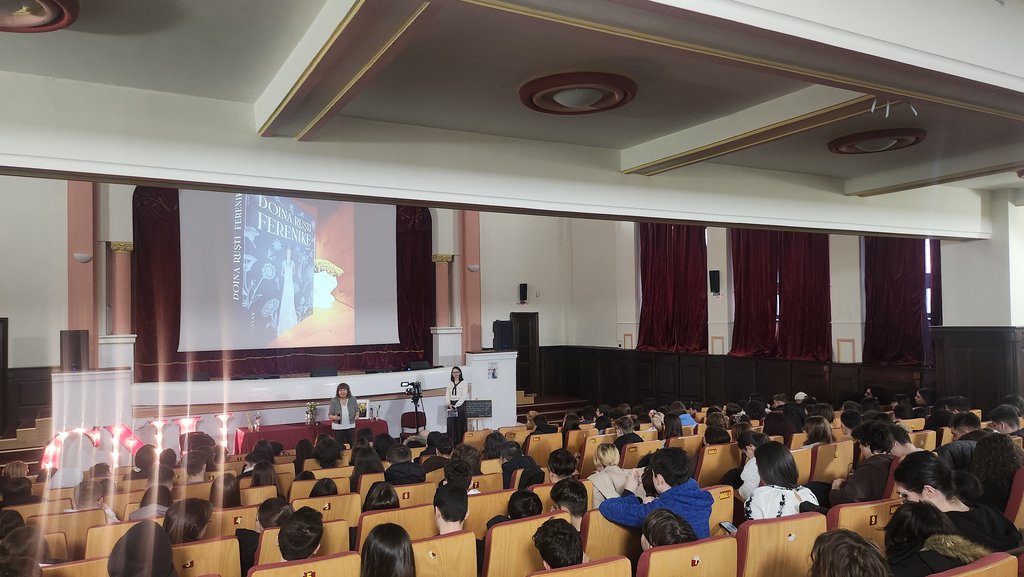
A lovely film by Andrei Măgălie and Lucia Zamfir.
Ferenike visited Suceava twice. First we were invited to the University Days, an event also covered by Bucovina TV.
https://www.youtube.com/watch?v=UYFJYRmsQVA
An interview for Bucovina TV
Claudia Costin, Gina Puică and Daniela Petroșel, dean of the Faculty of Letters, spoke about Ferenike. I spoke about the two devils of Suceava's citadel. I was in the home town of Simion Florea Marian: how could I not invoke them?
The story of the two devils
As though that weren't enough, I returned to Suceava in June for the Vișniec Theatre Festival. It felt like a country fair. Once again I saw many friends: Angela Zarojanu, Otilia Ungureanu, Gina Puică and Daniela Petroșel. But the surprise came at Hanul Domnesc, when I came face to face with Ecaterina Lupu, as if she had just stepped out of one of my books: beautiful and overwhelming.
In Suceava's citadel
The trip to Câmpulung felt like a holiday. The moment I stepped through the library door, I encountered the unmistakable spirit of Bucovina. Even more than in Suceava, gentle dragons fly over Câmpulung, and everyone sings.
I stopped in Piatra Neamț for barely an hour, just long enough to say hello to Cătălina and her pupils.
Through several cities with Ferenike
From here on I'll talk about the south, but first an interview for Johann's Grove on Radio România Actualități.
Craiova was the city I had most wanted to visit. There was a book fair, so I didn't manage to see everyone, but I'll go back to greet the Frații Buzești — the school, that is, which appears in Ferenike.
https://www.tiktok.com/@doinarusti/video/7485289978545687830
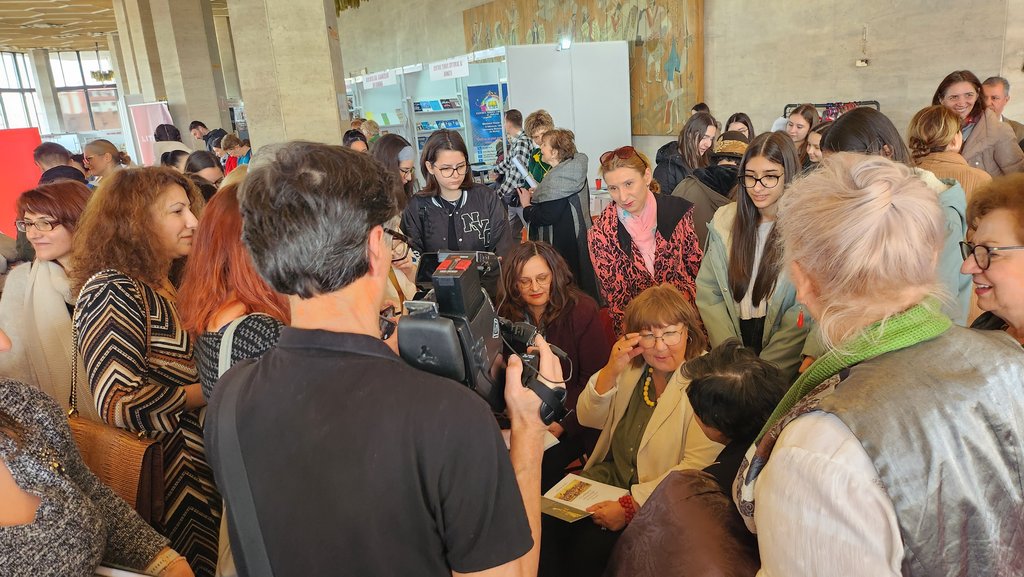
A first glimpse
It felt like meeting a part of myself. Ferenike was at home here, and I watched my characters step out of the novel. Cristi Nedelcu was our host; Mihai Ene and Cătălin Ghiță, as usual, seemed to have come down from the pages of a book; Mirela and Simona Lica had borrowed the voices of fairies. Nearby, Simona Mușuroi sent me a flower straight from her heart, while Aurora painted ten pictures and exhibited them in a gallery beside the theatre, especially for Ferenike.
Mircea Suchici was humming by the door, and the theatre foyer was full of ballerinas. On the terrace I met Adriana, who gave me a mysterious little box filled with pages prepared for a future sprawling novel.
First I went to Antena, then to the library and the radio station:
The first launch
Ileana Marin said that meeting Ferenike had given her a different perspective on my writing. That was how our conversation began, with teachers, pupils, Iulia Pană and Amelia Stănescu.
In the evening we went to a club, with a large audience and the actors Mirela Pană of the Constanța State Theatre and Ionuț Dulgheriu of the Faculty of Arts.
Ferenike on Antena Constanța
We spoke about The Ghost in the Mill and Ferenike at an event connected with a Hungarian-language publication.
A conversation and readings
In Timișoara, Ferenike visited many places, including Bookfest. It began at TVR, on the TVR Timișoara news:
Actual Regional, with Ramona Borosovici
Then came meetings with teachers and pupils at the Pedagogical College, the Banat College and the Ion Vidu Arts College. At Bookfest I was joined by Melania Cincea and Robert Șerban, with an introduction by Gabriel Liiceanu.
In essence, it went like this:
Timișoara, 2025
On my return I was invited to the Elisabeta Theatre, a building I have written about in Zavaidoc in the Year of Love. The theatre was celebrating an anniversary, so I took part with an interview.
https://www.youtube.com/watch?v=Y9DuQva7_k8&t=131s
An interview with Claudia Ene
I spent several days talking to Ema Stere on this long-running programme. I spoke about almost everything connected with the origins of Ferenike.
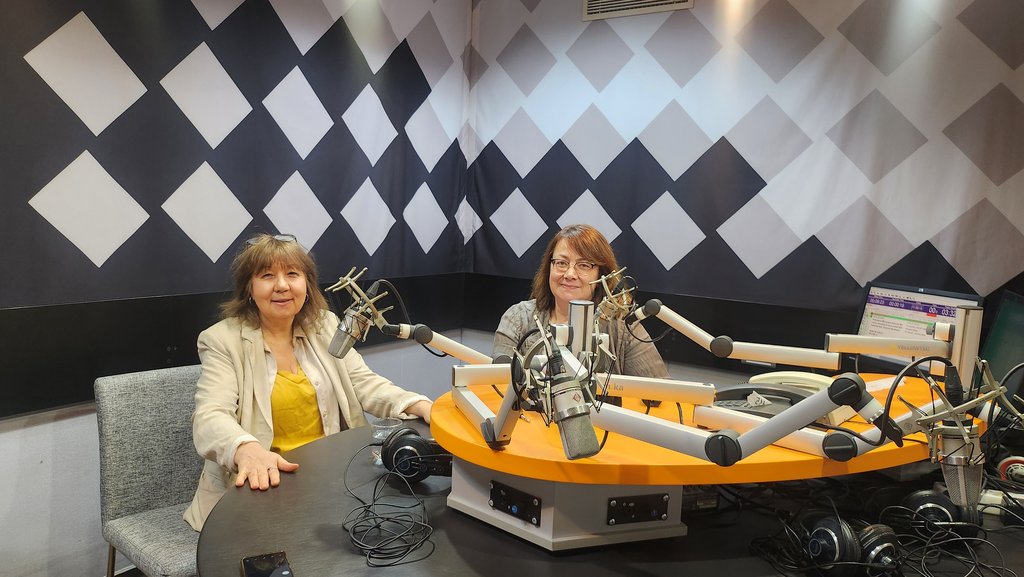
Ioana Cistelecan and I have been friends for years. We rarely see each other, yet it always feels as though we have never been apart. “You have a new book and you haven't come to Oradea!” she told me. I have many friends there too: Dana Sala, Veronica Buciuman, Dan-Liviu Boeriu, Mircea Morariu, Flori Crețiu and many more. I visited the University of Oradea with Ferenike. Here is an unedited video showing a little of what happened:
Oradea
I would have stayed longer, if I hadn't been on my way to Cluj.
With Ioana Cistelecan
A great deal happened in Cluj. I spent two very full days there.
Cluj in brief
I began at the Academy of Arts, where we had a wonderful time. Then I gave many interviews, appeared on several programmes and finally arrived at the Casino, where a performance preceded the book launch.
I saw many friends: Vasi Hotea, Monica Columban, Dana Maier, a great many teachers and their brilliant pupils. I was especially glad to see Laura Pavel, Călin Teutișan, Iulia and Andrei Simuț, and of course Ștefana Pop Curșeu and her father, Ion Pop, a professor revered in Cluj and well beyond it.
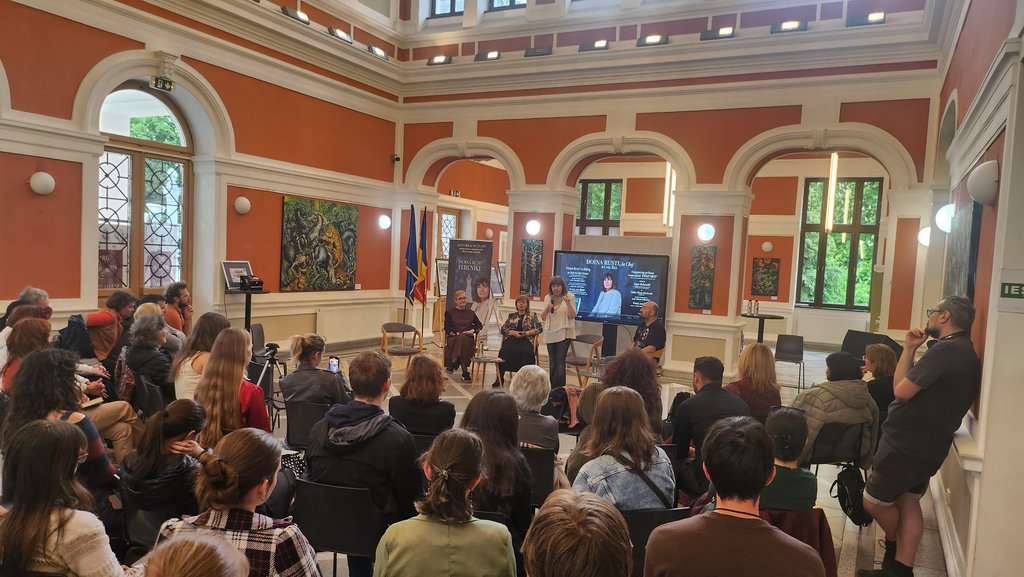
I exchanged a fleeting kiss with Ionuț Curșeu and a few words with Smaranda Graur, as well as with many others I love in this city, so sober in appearance and so warm to me.
As usual, the best interview was the one with Vasi:
An interview by Vasile Hotea Fernezan for Transilvania Cultural
https://www.youtube.com/watch?v=-NW8iEnH3eQ
A pleasant conversation on VIA TV
I was a little tired, and the rain had caught me, but I held my own on a programme I love:
A TVR conversation about Ferenike and writing
At the Academy of Music, I gave another interview for VIA:
An interview before the event
https://www.youtube.com/watch?v=tcE2tiZpWqg
A report on the Ferenike launch in Cluj
https://www.youtube.com/watch?v=B0HLZfg8F0I
A reading of passages selected by Mihaela Ilea
A lively conversation and memorable encounters on Carmen Târnoveanu's programme.
My conversations with Roxana always draw out a few confessions. I don't know how she does it: she asks exactly what is on my mind at the time.
https://www.youtube.com/watch?v=WDl_VpefLjY
I went to Alba for the theatre festival, which happens to be called Stories. This is the programme Cristina gave me:
The story I told was about Ferenike, in a room familiar to me from many earlier talks. I met many old friends, among them Iulia Brok, who had come from Belgium to see Ferenike.
I don't think I've ever had a launch in Alba without him. Or without Gabi Chiciudean. Students, pupils, writers: you can see them in the film below.
At the end
Ferenike met a great many people there.
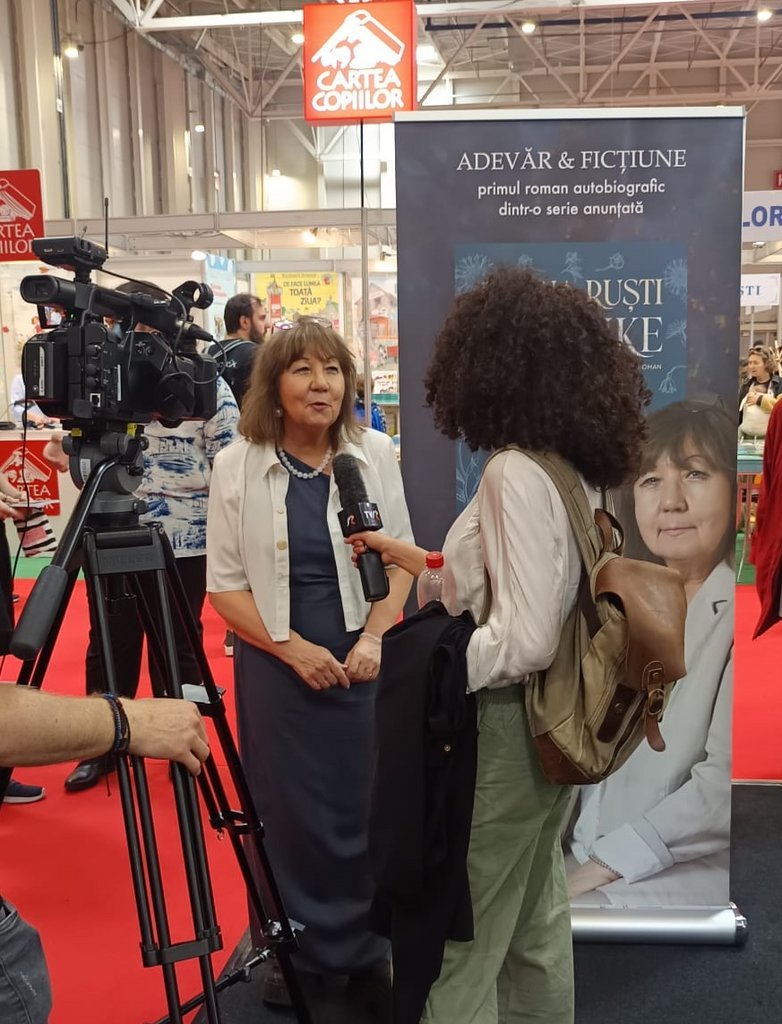
With Adriana Irimescu
A film of the event:
And the Humanitas film:
https://www.youtube.com/watch?v=4x7O5EpCNRA&t=493s
And the launch of Sălbatica:
A morning broadcast with two top journalists.
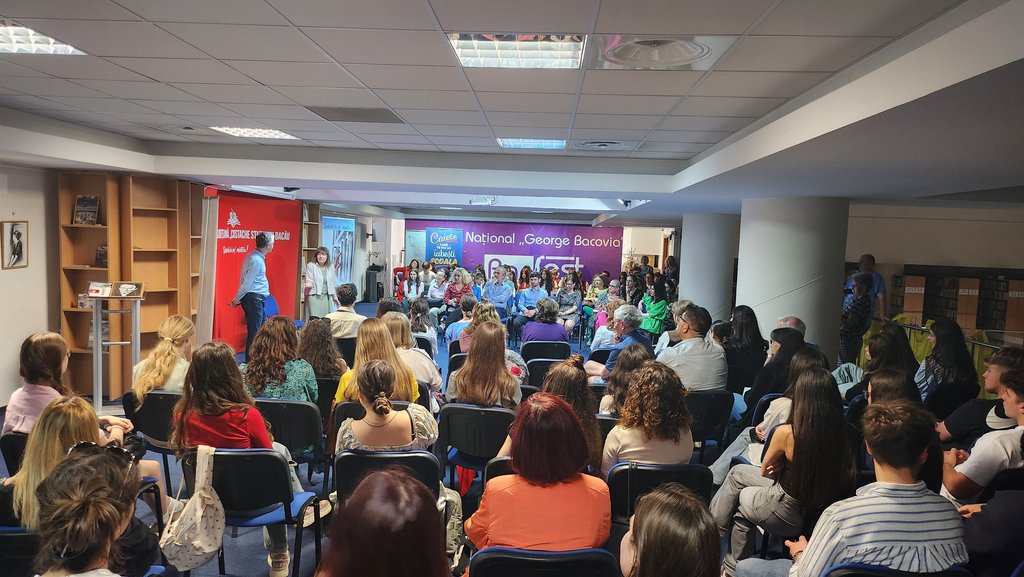
Adian Itu, Nicoleta Popa and Ramona: teachers and old friends. And then there was Roxana Soțu, who brought a tremendous surprise, almost a Sălbatica reading workshop alongside Ferenike. It was warm and moving, as you can see here:
https://youtube.com/shorts/JsaQORgMY8M?feature=share
I was invited to the University of Medicine and Pharmacy for one of its conferences.
How do we tell stories of suffering, of experiences we are ashamed of, of things that seem impossible to speak about? These were the questions with which I began the talk, prompted in part by the publication of Ferenike.
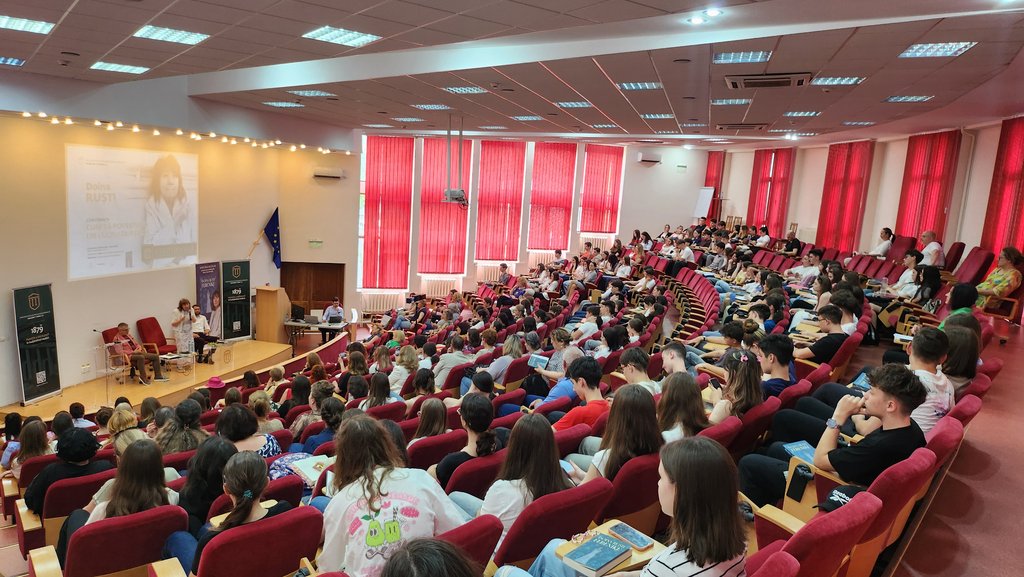
Richard Constantinescu, a historian of medicine; Dragoș Andrei Preutescu, from the Ficțiunea group; my friend Lavinia Ungureanu; teachers, former university colleagues, students and pupils.
This is a little of what it was like:
I was still a little sleepy on TVR's morning programme:
At the “Dunărea de Jos” University of Galați, a conversation about the journey from fiction to autofiction and fictional confession, with colleagues from the Faculty of Letters: Simona Antofi, Nicoleta Ifrim, who has also supervised a doctoral thesis on my novels, and my old friend Carmen Andrei.
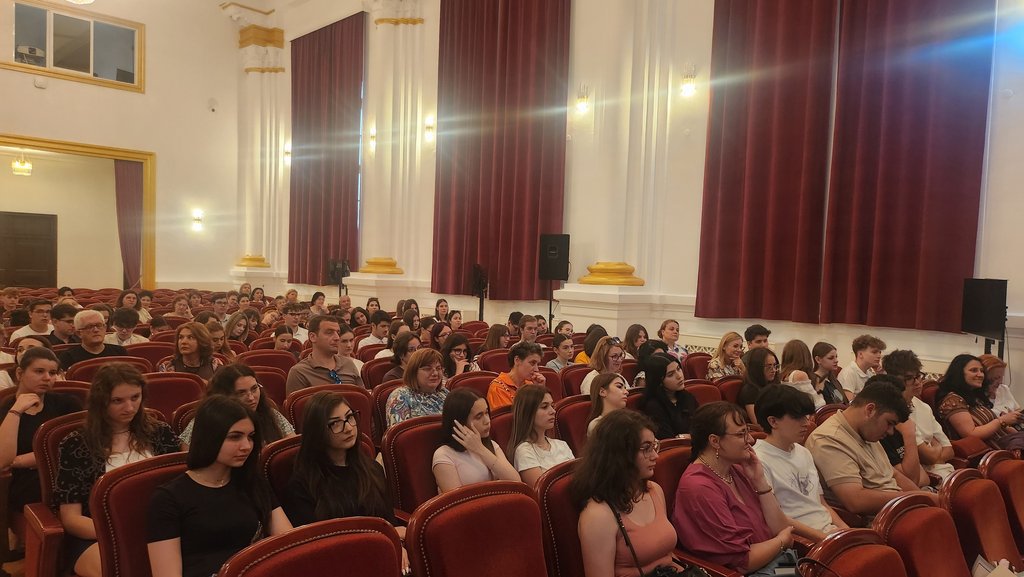
Two interviews to close the tour: one for Altceva cu Adrian Artene.
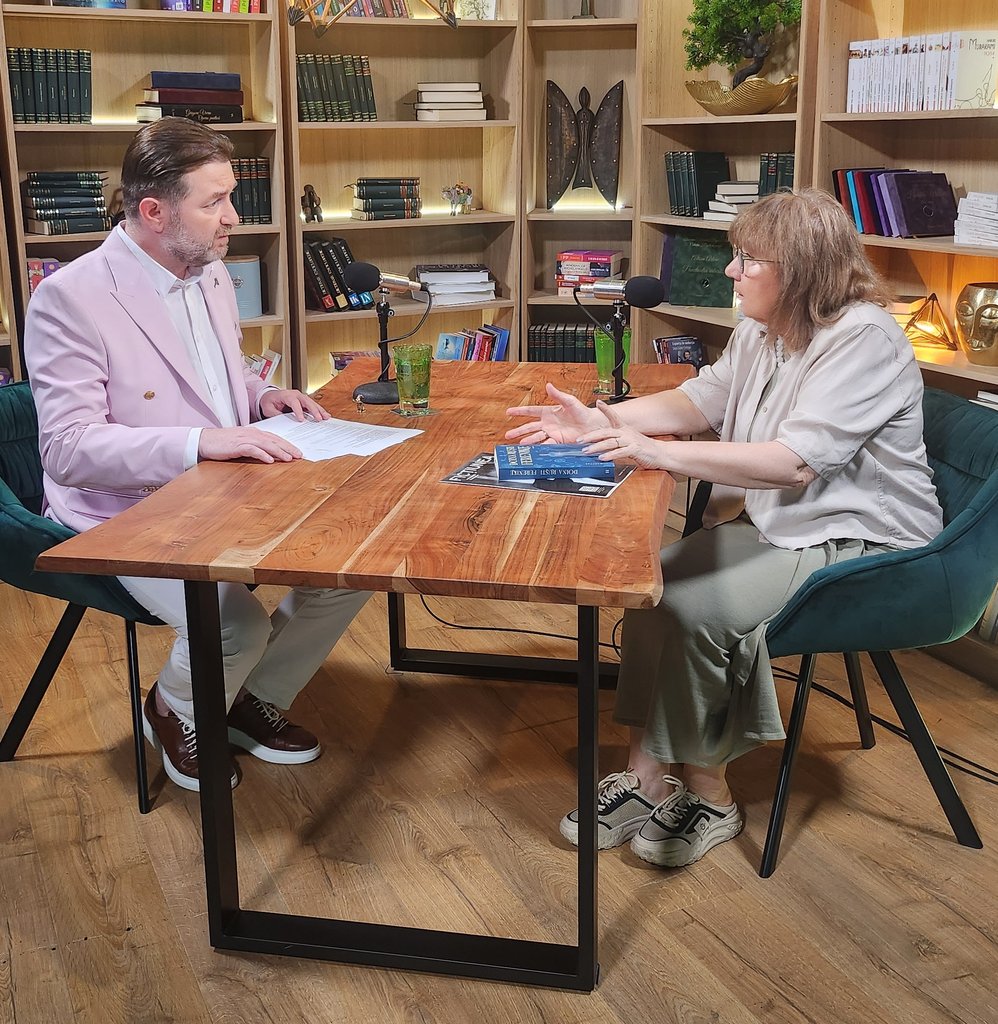
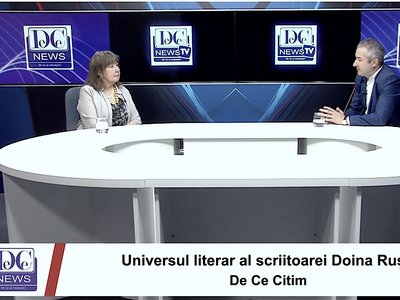
And one with Flaviu Predescu for DC News.
And so as not to end here, a photograph of Gabriela Maaz, the discreet architect of these events.
The adventure continues with Nas de bulgar: