Numbers, but especially words, are impressive in the dreams of the night. I often dream of words written or spoken by someone, mysterious sentences or even entire stories. Once I dreamed I was at the theatre. A play was being performed, with actors both familiar and unknown. Upon waking, I noted the plot with fervor, intending to write the play and publish it. But once written, its effect had vanished. From that moment, the nocturnal of dreams was born. I do not like diaries; they seem ridiculous and megalomaniacal to me. I have never kept a diary in my life, yet for many years I have written down my dreams — not all of them, only the important ones, those that belong to the essence of my oniromachy.
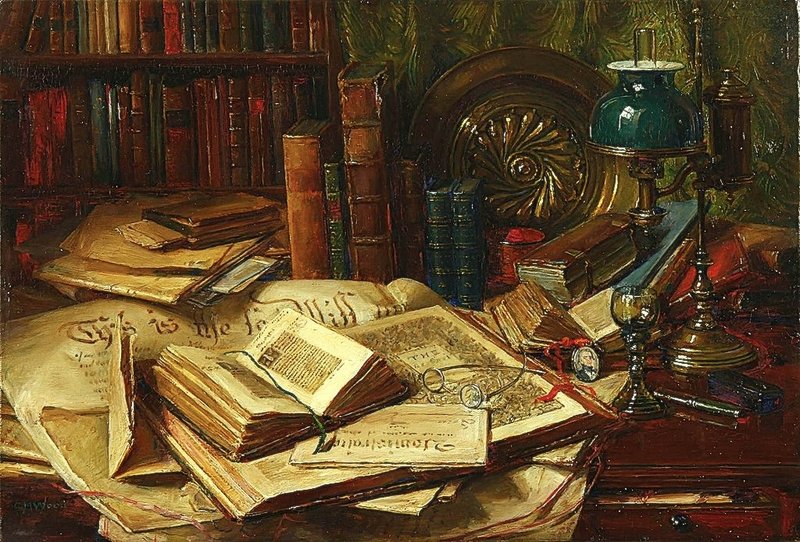
My dreams have always revolved around books. I have dreamed of pages, texts, readers, words emerging from between pages, written on the sky, on walls, on people’s faces. Orators who spoke only for me. Immortal mouths, reciters and sapiential beings, writers (living or dead) ready to share a secret with me.
The words in dreams are always in a subtle relationship with obsessions and fears, with irradiated zones, with exiled events or those about to be pushed to the margins of our being. Among Freud’s dreams there is one about a book titled Famous Orators, signed by a doctor who had nothing to do with the subject. Analyzing the dream, Freud realized the information was metaphorical: during that period he had many patients and was forced to speak all day long. Therefore, he himself was the doctor-orator; the subconscious had sent him a coded message. Dreams, as we know, function metaphorically, and what concerns me is the way substitutions occur — not upon waking, but while I am dreaming. Among the people who bring me messages in dreams, my paternal grandfather appears most often, telling me things I always take into account because they form the basis of my dream construction. Once he was very mysterious: I have come, he said, to tell you that you have three sponsors. Of course, the message itself was not important, but the placement of the word sponsor, bizarre in his mouth and new in my own lexicon, placing all the other acts of the dream in an immediate time, linked to recent conversations. Naturally, in that dream I took a dictionary from the shelf and began to look up not the word sponsor, of course, but mason. Why? You will say because every dream is full of absurdities. In the reality of the dream, however, the word mason was perfectly logical and well placed, because my deep conviction functioned there as well. And this conviction is that symbolic substitution occurs in a zone of maximum mystery. The aberrant acts of dreams are always connected to the particular way reasoning works. The mechanism of knotting threads preserves the pattern that belongs to the dreamer and to their way of judging facts.
Sometimes I am near the library of the dream, and from the book of sand a note emerges, or just a word that I read without opening the book. Once I heard a voice reading something classical, a description of old streets with details and characters. I knew it was reading from a book of mine; I even had the impression I recognized the fragment, only to realize that in fact I had not yet written that book. Yet I had recognized the tone, the intention, the cadence of the narrative.
On another occasion, I dreamed of a talking horse, as convincing as it was impressive. How do you know how to speak?I asked the horse in my dream, and it widened its eyes exactly as my grandmother used to when she wanted to convince me of something, and said with a certain infatuation: I have read! I have read a great deal!
Ironies of this kind are part of the construction of my dreams, which is why I rarely get frightened while dreaming.
It is said that dreams on the eve of great holidays come true, and the belief is amplified historically. The longer you trust in miracles, the greater the chance of constructing them fragment by fragment, over a long series of dreams and projections.
What will you dream tonight? And how many of your dream’s sequences belong to the desire that truly matters?
May you have a week of beautiful dreams!