Toul a început în spatele bisericii Sf. Sava, unde pe-atunci era o grădină de bălării, rămășiță dintr-un vechi cimitir. Încă se mai vedeau vreo câteva cruci din piatră bătrână. Acolo, sub o tufă de afin, a început viața nemuritoare a Elinei, ișlicăreasa.
Măritată de câteva luni, femeia aceasta, care prin faptele ei avea să deseneze o hartă a plăcerilor rare, în fiecare zi făcea câte un drum prin oraș, căci bărbatul ei era un un vestit ișlicar, pasionat într-atâta de munca lui, încât orice căciulă ieșită din mâinile sale era o capodoperă, un lucru rar. Făcea în primul rând ișlice globulare, din postav, de toate culorile, dar și din piele fină, vopsită cu artă, din mătase groasă, din cit. Experimentase și cânepă, îndulcită de câte un fir de mătase. Avea un calapot bun, un balon, pe care întindea la perfecție orice material. Iar când era gata, Elina umplea brișca de ișlice monumentale și le ducea la clienți, de unde încasa banii, cu o infinită plăcere, mai ales arginți dar și taleri ori parale de mâna a doua, în sfârșit, toți bani buni, puși după valoare în pungi de bumbac sau de piele, ori chiar direct în buzunarele fustelor sau în sân.
Dar această viață perfectă avea o fisură. Într-una din zile, Elina avea de dus o comandă la Sf. Sava, pentru un dascăl. Ca să scurteze, a oprit brișca pe lângă biserică și târând după ea coșul în care trona un ișlic, a tăiat-o prin bălării. Și cumva, sub soarele unei zile în care se amestecaseră cozi și ispite, poate sub impulsul unui deget de zână, Elina s-a trezit față-n față cu un bărbat. Era un tip îmbrăcat în mătase, o persoană căzută din cer și, ca să întărească această impresie, a început să vorbească într-o limbă misterioasă. Elina a rămas nemișcată, holbându-se la buzele necunoscutului care scoteau niște cuvinte bizare. Apoi omul a scos un catastif și-a-nceput să deseneze ceva. Părul, legat într-o coadă, i se furișase după ureche, iar ochii îi străluceau lupește, la umbra unui fes cam lălâu.
Elina a rămas un timp în picioare, dar, când bărbatul i-a făcut semn, s-a apropiat fără pic de sfială. Pe fila albă, îi făcuse portretul, așa cum stătea, cu o mână pe coș. Era ceva neomenesc în toată această întâlnire. Nalbele înalte, cucuta și tufele dimprejur făceau ca toată povestea să pară fără legătură cu viața reală. Restul a fost spontan și aproape mistic: o legătură rapidă sub rămurelele de afin. Câteva nalbe s-au frânt, fesul bărbatului s-a rostogolit până la gard, iar Elina și-a pierdut un ciucure de la pantof.
Când a ieșit din curtea bisericii era altă ființă, iar întâmplarea urcase la cer printre faptele care nu mor niciodată.
La câteva zile după aceea, s-a oprit să ia niște ață de la un precupeț. Omul i-a spus că avea mai multă marfă la Hanul lui Chiriță, unde și locuia, iar Elina s-a oferit să îl însoțească. Mămularul a fost șocat, dar i s-a părut că nu era treaba lui s-o judece pe Elina.
Camera hanului era ca un ochi peste care tremura o pleoapă firavă. Prin ferestrele zăbrelite se vedeau coroanele teilor, iar pe pat se mișcau alene umbrele unor ființe subtile. Întâlnirea, de unde era doar o mică afacere, a devenit o încleștare pasională. Podeaua a fost tapetată cu multele fuste ale Elinei, iar șalvarii bărbatului au ajuns pe pervaz. Nimic din ceea ce trăise până atunci nu se compara cu această după-amiază, patronată de un faun. Vânzătorul de ace și ață s-a topit într-o oră, iar în noua lui stare, de lapte și miere, s-a strecurat fără grabă sub piele, s-a risipit prin vastele teritorii ale cărnii înfierbântate.
A doua zi, Elina intrase în panică punându-și întrebări despre datorie și vină. În starea asta a intrat pe ulița Bărbierilor, să ducă niște ișlice. Dar când și-a terminat treaba, în drumul ei spre brișca trasă-ntr-o margine, a observat că cineva o privește. Era un bărbat rezemat de un zid, un tip holbat și cam pirpiriu. A vrut să-l ignore, dar pe buzele lui s-a strecurat în surdină o melodie, care părea șuierată de vânt. I-a mai aruncat o privire, iar omul, care, acum vedea bine, avea în mână un baston cu mâner argintat, i-a făcut semn să vină la el. Nu-i vorbise, era sigur un derbedeu, dar cu toate acestea, picioarele Elinei păreau legate de el. Cu pași mici, care la o primă vedere arătau o oarecare nehotărâre, dar care în realitate erau asaltați de emoție, Elina a ajuns la o poartă. De la balcon cădea o perdea de caprifoi, iar din grădină se auzea un cuc supărat.
Elina a întârziat multe ceasuri în casa necunoscută. Perdelele erau trase, iar în puțina lumină, bărbatul părea făcut din fum de tabac. Mai târziu, în nopțile multe care-au urmat, nu-și mai amintea trăsăturile feței, dar ținea minte restul. Nu se îndoia, că bărbatul din casa cu caprifoi a dispărut odată cu dorințele ei.
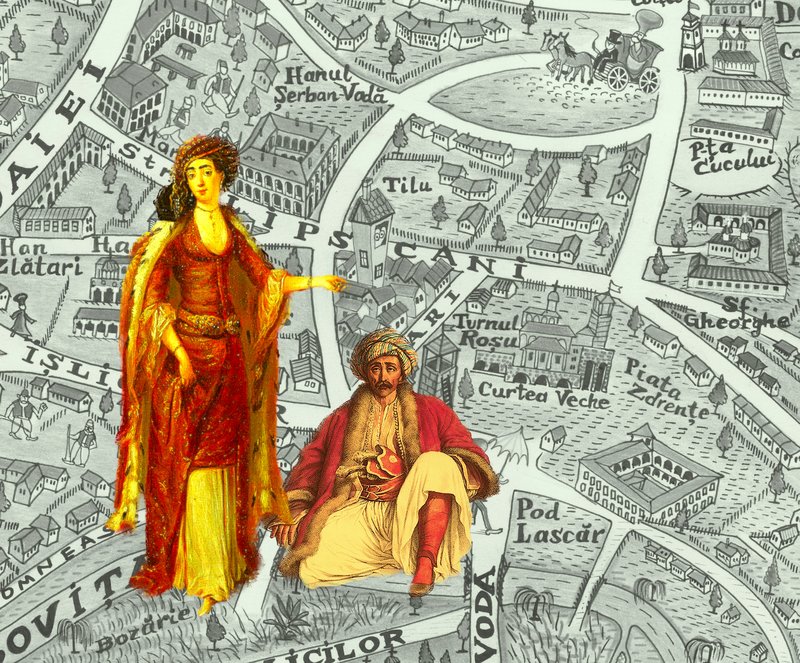
Din ziua aceea, pentru Elina, orașul și-a schimbat geografia. Din toată colcăiala de lume, din grămada de case și din străzile fără număr, rămăseseră doar trei locuri care contau. Deși a mai întâlnit alți bărbați, niciunul n-a mai avut privilegiul de-a pătrunde pe harta secretă. În lumea dulce a plăcerilor și-a destrăbălării, viața continua să pulseze la Sf. Sava, la Chiriță, în han, și pe ulița nemuritoare a Bărbierilor.
(Doina Ruști - Depravatul din Gorgani, ed. Litera 2023)